 Viviana Arcade
 Puzzle
Kids games
20 games in this category
Puzzle Kids
KidsCars
Play now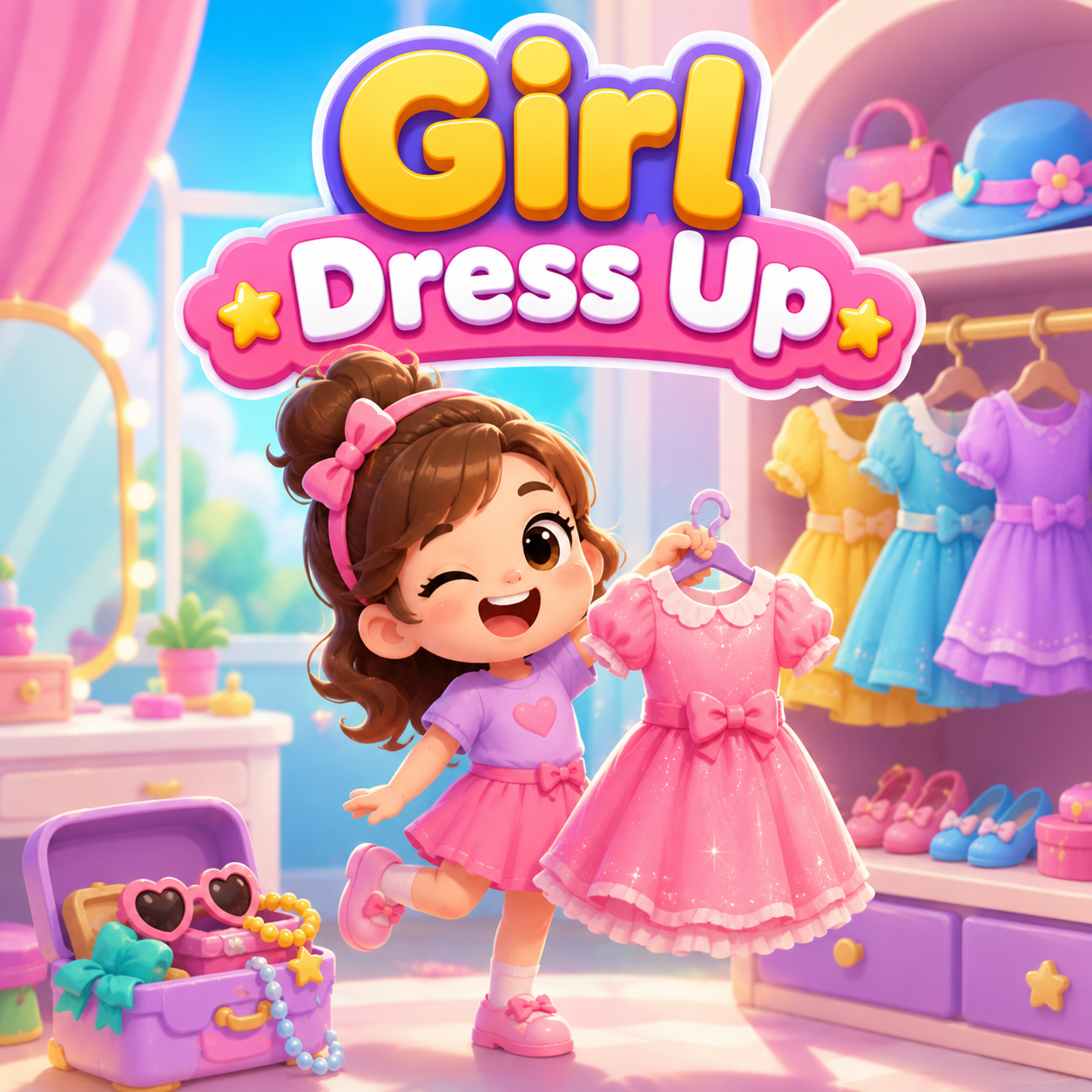 Kids
KidsGirl Dress Up
Play now Adventure
Forest Brothers
Play now Kids
KidsBalloon Paradise
Play now Puzzle
Cartoon Candy
Play now Brain
BrainCrossword For Kids
Play now Kids
KidsKids True Color
Play now Brain
BrainMath Game For Kids
Play now Kids
KidsChristmas Balloons
Play now Puzzle
Christmas Match 3
Play now Puzzle
Christmas Match 3
Play now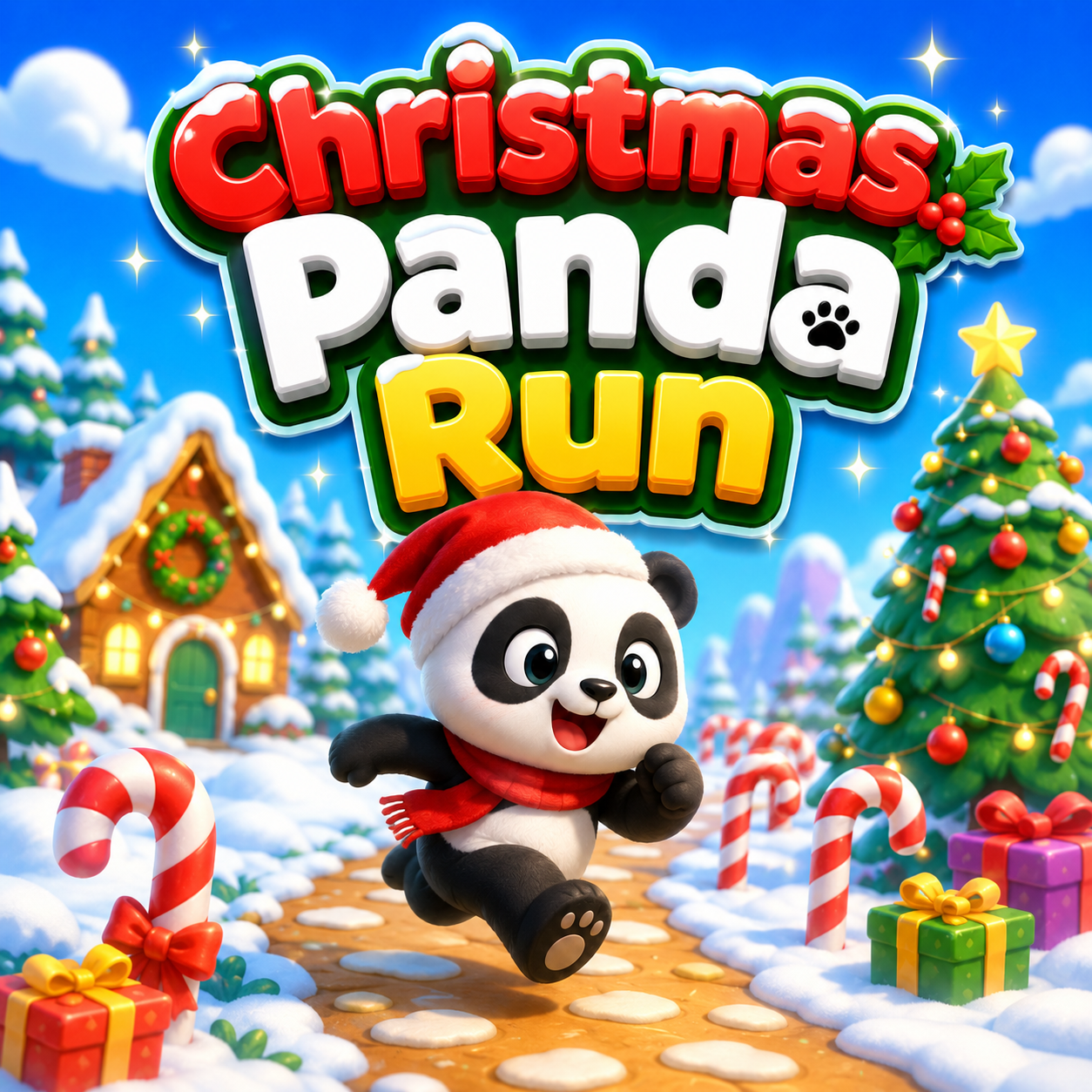 Jumping
Christmas Panda Run
Play now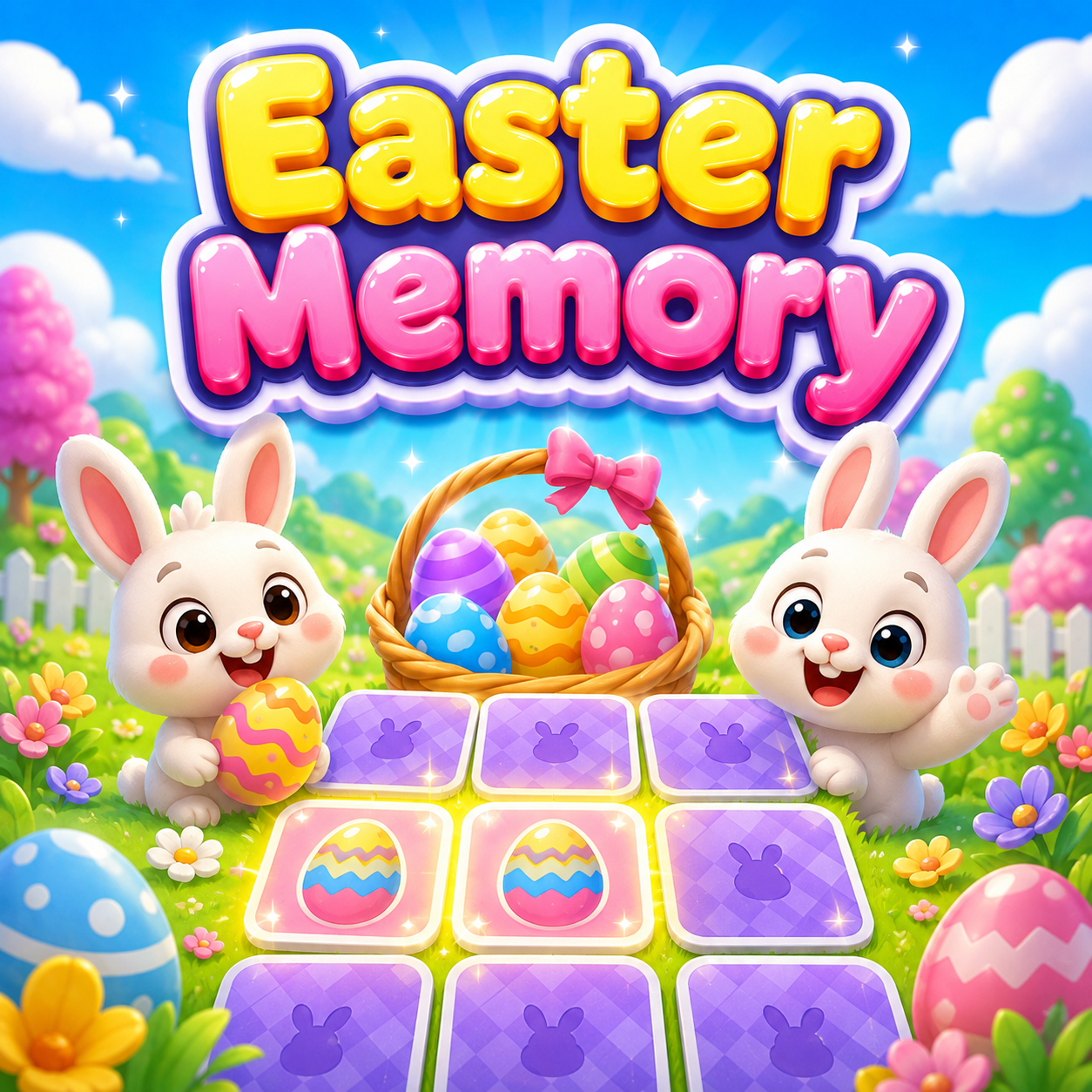 Brain
BrainEaster Memory
Play now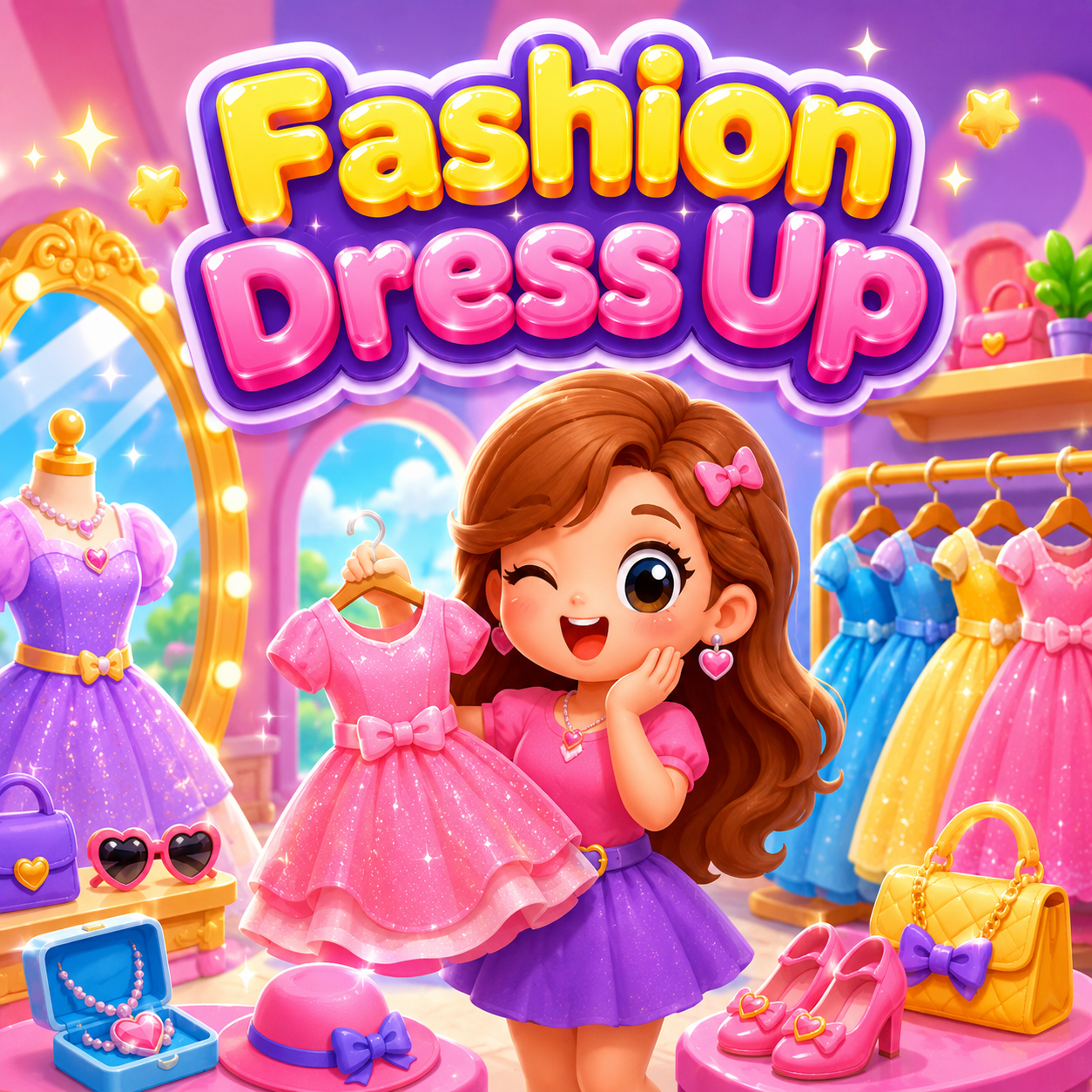 Dress-up
Fashion Dress Up
Play now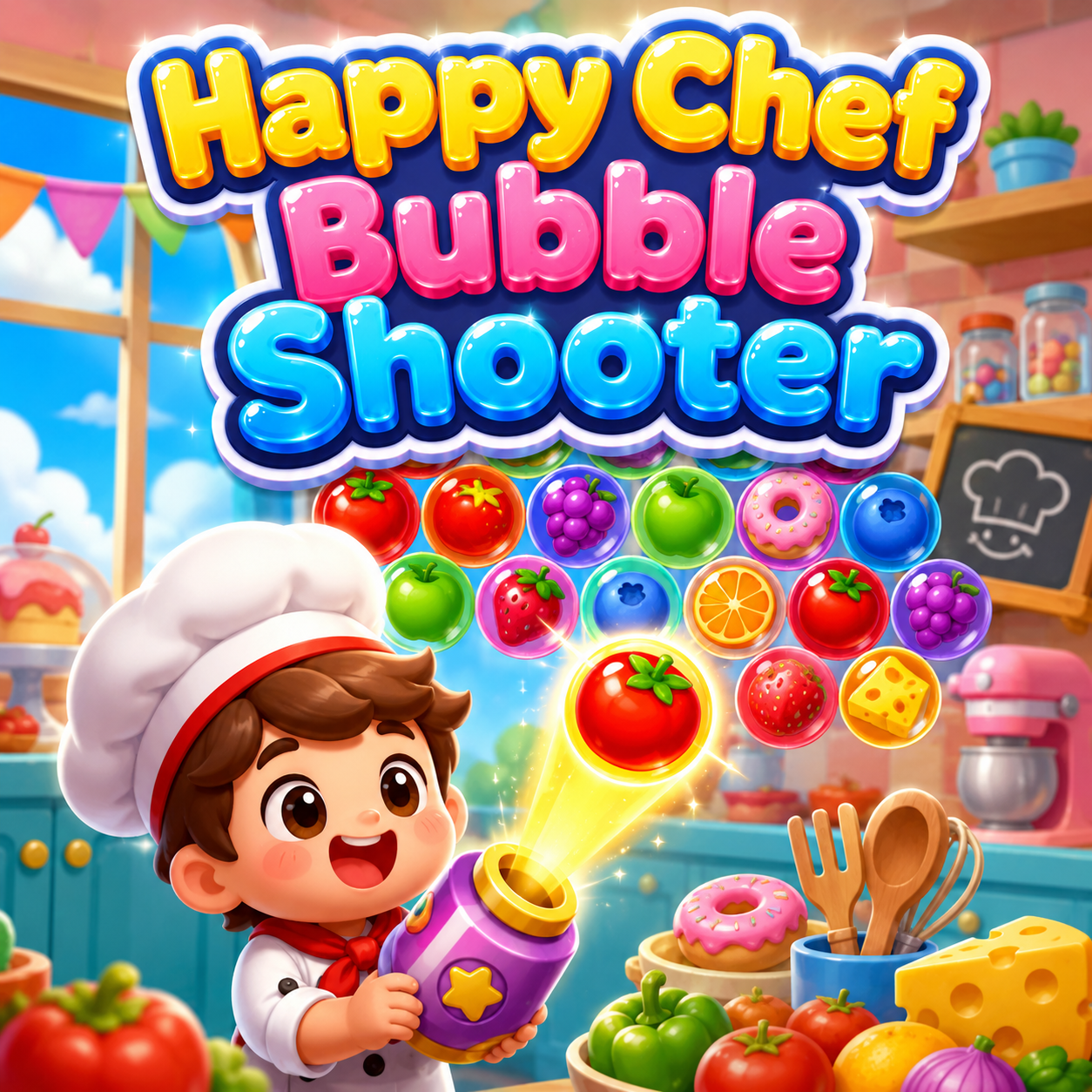 Horror
Happy Halloween
Play now Brain
BrainMath Game For Kids
Play now Adventure
Mummy Candies
Play now Jumping
Santa Run
Play now Brain
BrainSchitalochka
Play nowKids games
The position first, so it is clear: we did not make these games and have not vetted every scene inside them. What we can do is open them and report what we saw. Writing that a game suits a particular age is a claim we cannot back with evidence, so we will not make it. What this page can do is describe what the twenty titles here ask a player to do, and leave the deciding to you.
The bright matching boards
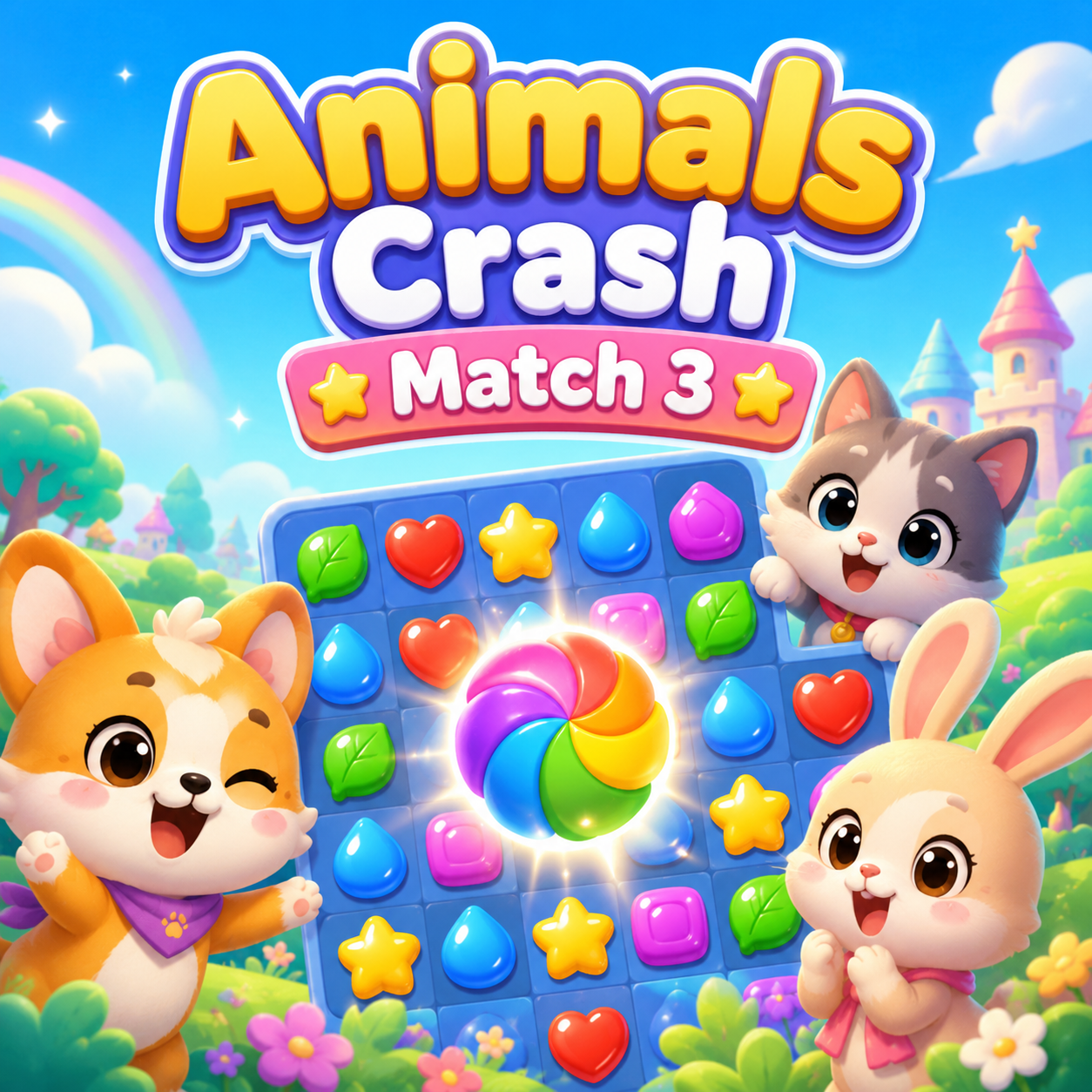
Part of the shelf is colourful matching boards, like Animals Crash Match 3, the Christmas-themed matching titles, and Cartoon Candy with its bright sweets. The rule is light — swap cells to line a colour up and it clears — which suits hands that do not yet want much precision.
Colouring and choosing
Kids True Color has a child sort colours under a countdown, with mistakes carrying no heavy penalty. There are outfit-choosing games on this shelf too, but the detail of that genre we keep for the dress-up shelf, which covers it fully along with the small-screen caveat. On the kids shelf, keep your eye on the colour games and the festive ones.
Running and learning
Festive runners like Santa Run and Christmas Panda Run are here too, with the character running on its own and a child pressing a single jump. The learning games, Schitalochka and Crossword For Kids, are number-based and playable before reading is fluent. If you want the answer-a-question games specifically, the quiz shelf gathers them.
The festive corner of the shelf
A good part of this shelf is end-of-year and holiday titles — snowy runners, balloon-tapping games and Christmas matching boards — which is why the shelf swells around the seasons. They tend to be bright and forgiving, with short rounds a small child can finish, rather than anything that needs a long sitting.
Questions about the kids shelf
Are all the games here safe for young children?
We cannot answer for you, because we have not vetted every scene inside games other people built. What we can say is which groups have no lose condition and which run on a countdown; beyond that, a parent should look first.
Are the matching boards here different from the puzzle shelf's?
The core rule is the same, but the kid-tagged boards tend to use brighter art and fewer piece types, which makes moves easier and mis-taps rarer. If you want harder boards, cross to the puzzle shelf.
Why is this shelf so much bigger than before?
Because we count every game labelled for kids, not only its primary label. Festive titles and bright matching boards that were filed elsewhere now sit together here, as they were actually tagged.