 Viviana Arcade
 Arcade
Casual games
61 games in this category
Arcade Arcade
Brick Out
Play now Puzzle
Bubble Shooter
Play now Casual
Candy Super Lines
Play now Puzzle
Candy Match 3
Play now Kids
KidsCars
Play now Kids
KidsGirl Dress Up
Play now Adventure
Forest Brothers
Play now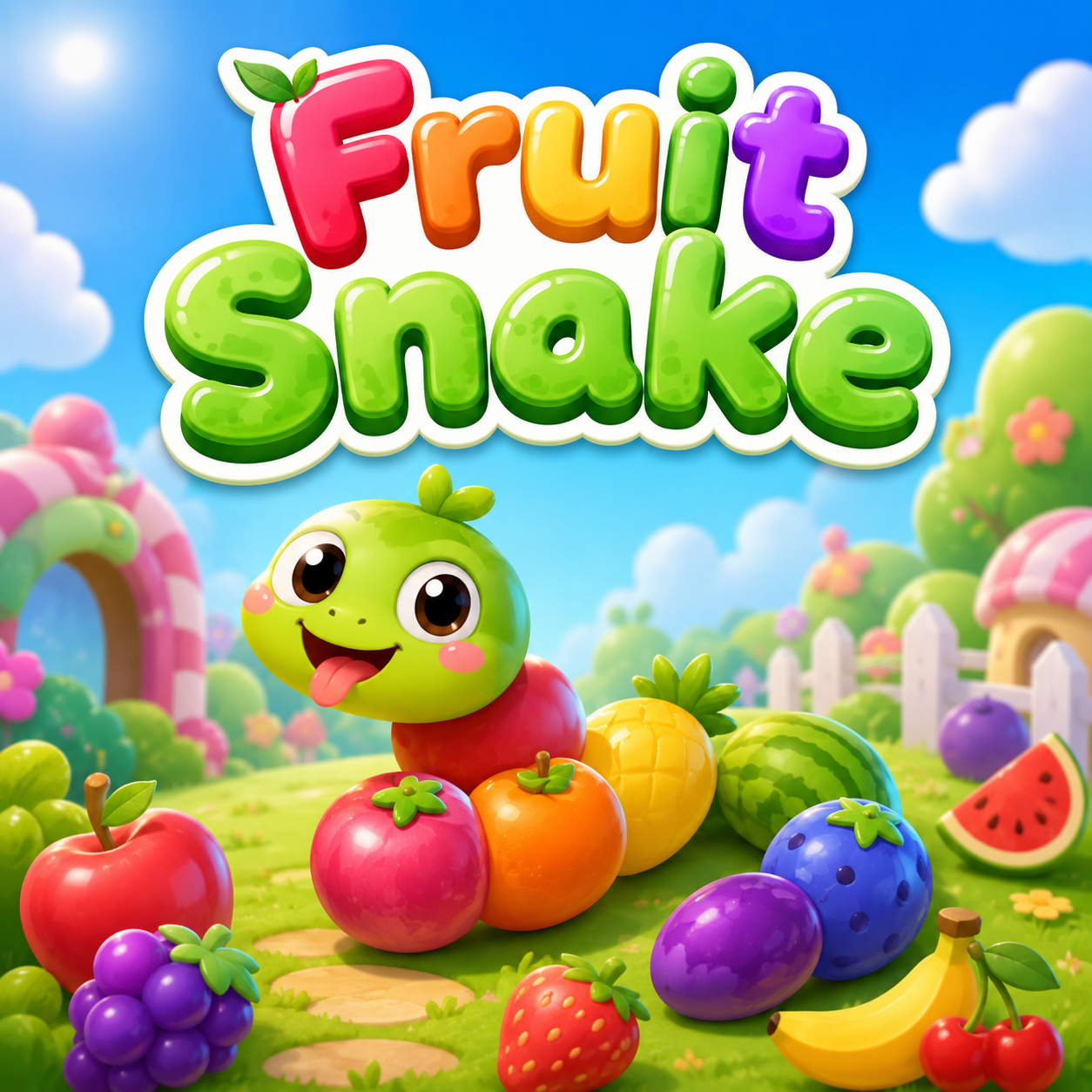 Arcade
Fruit Snake
Play now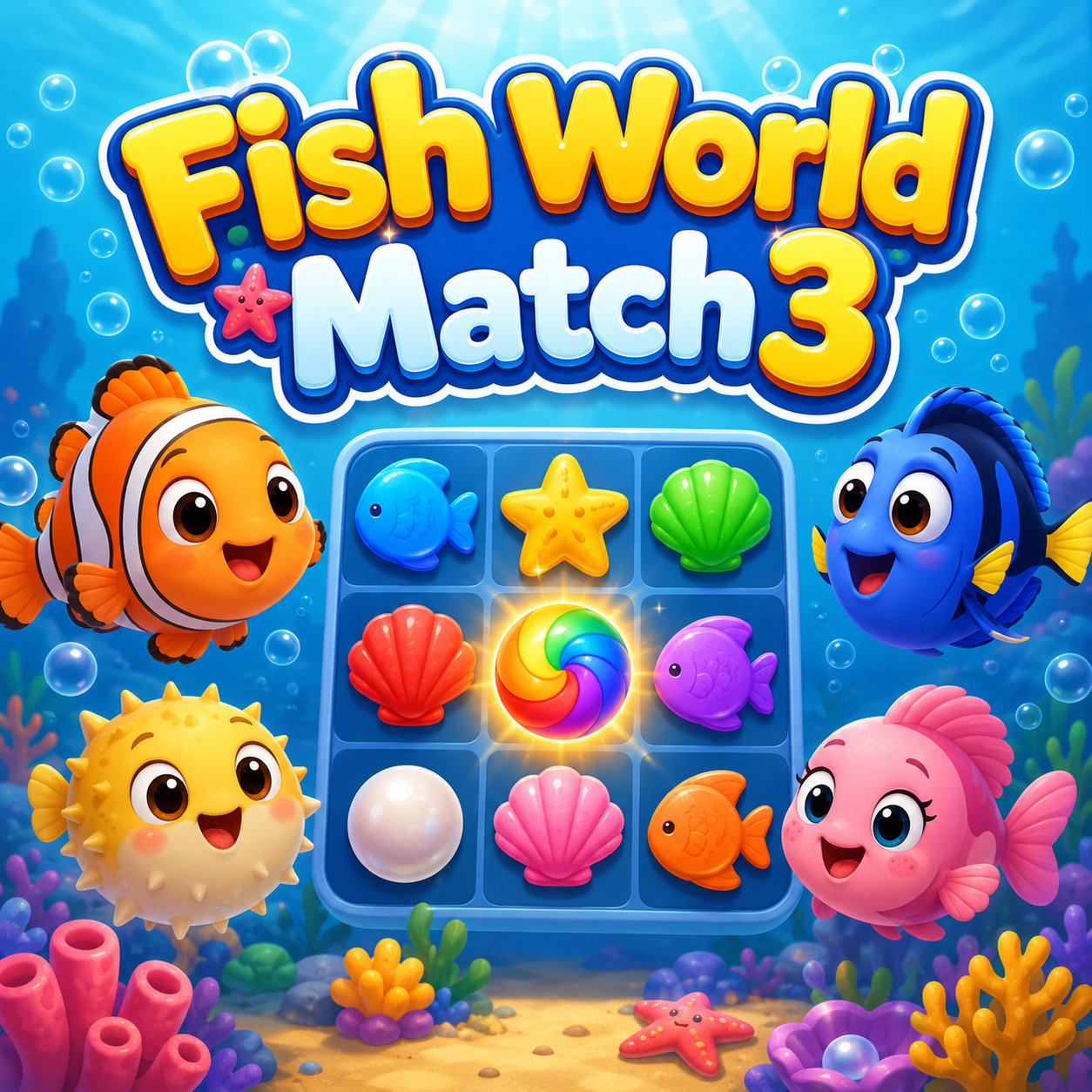 Puzzle
Fish World Match 3
Play now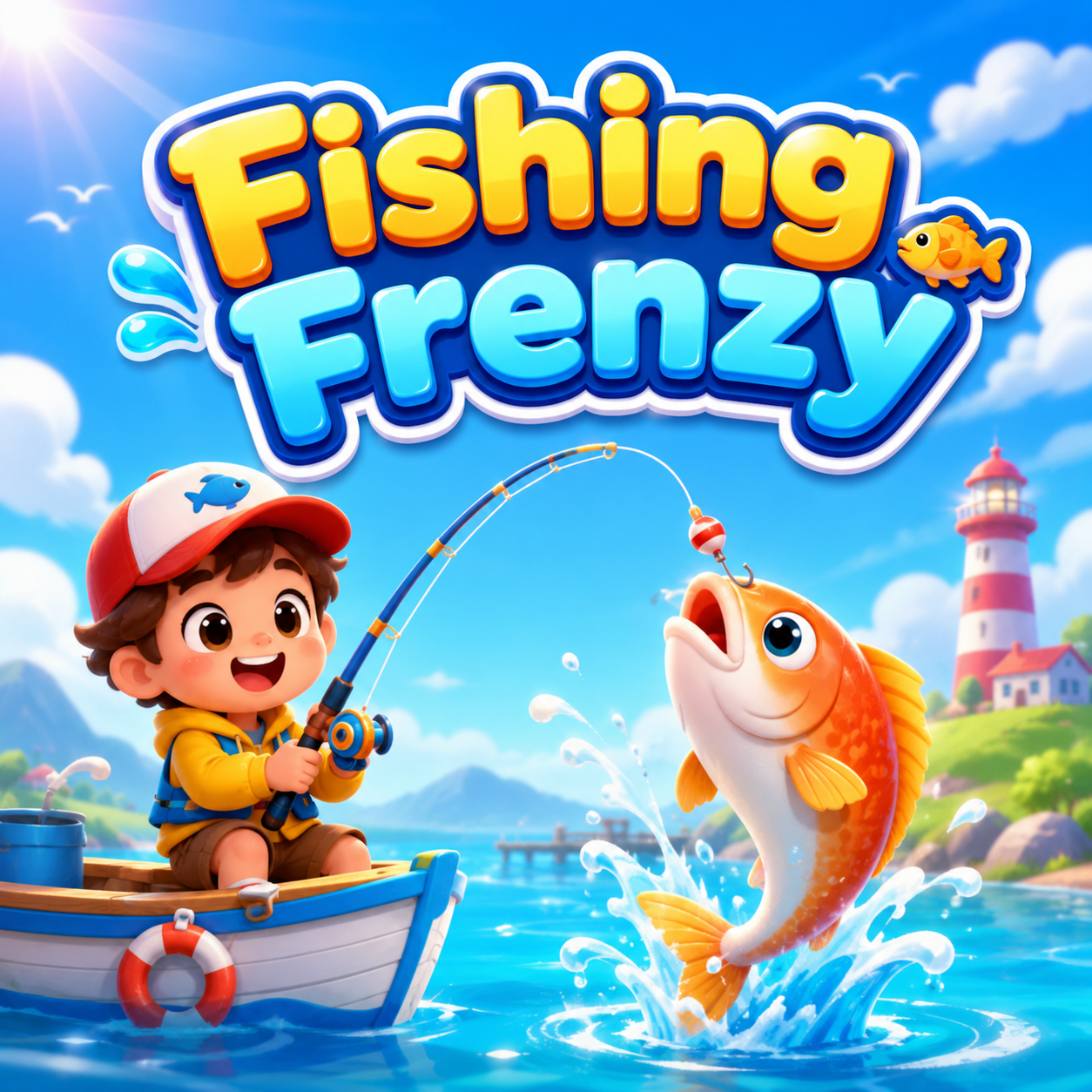 Skill
SkillFishing Frenzy
Play now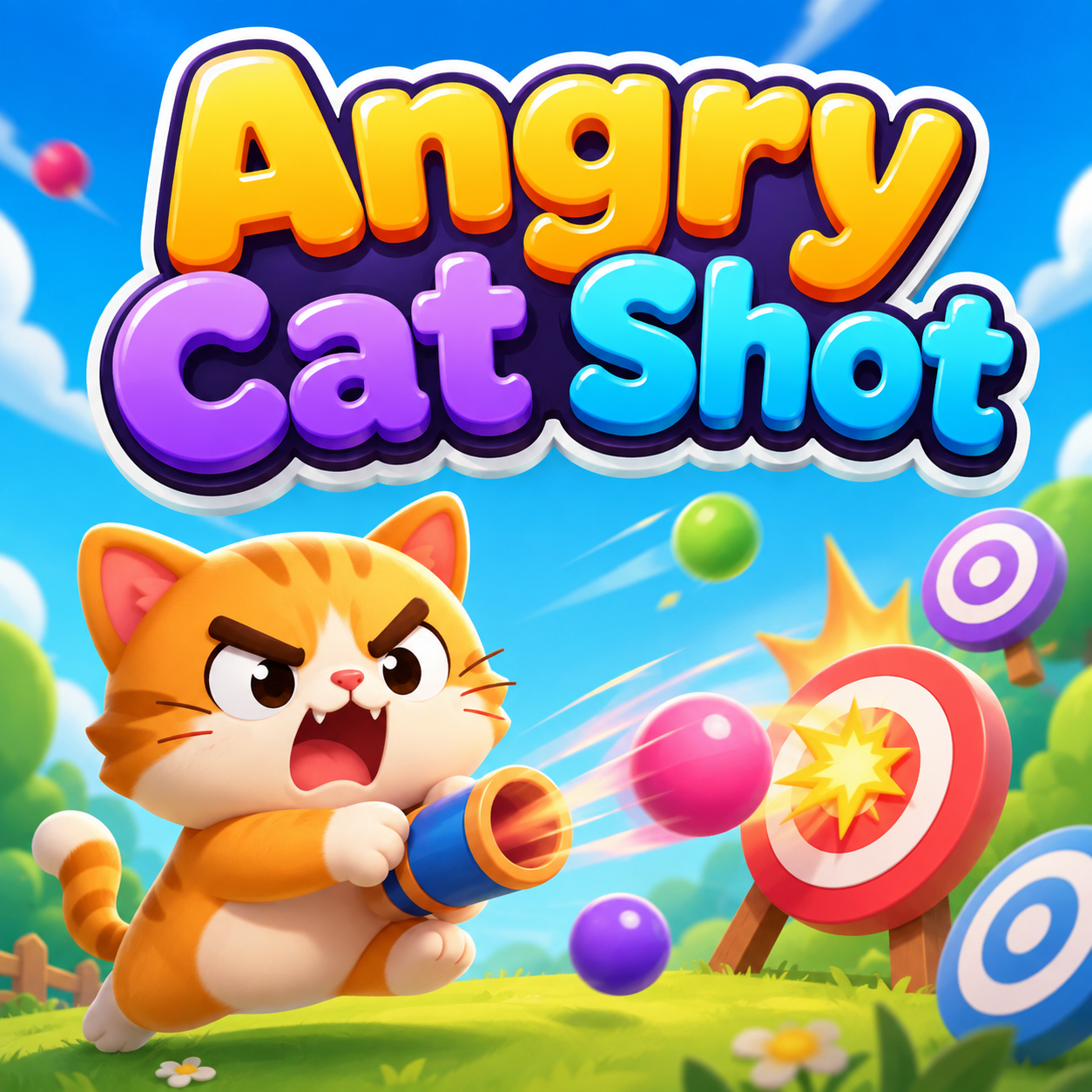 Arcade
Angry Cat Shot
Play now Kids
KidsBalloon Paradise
Play now Puzzle
Cartoon Candy
Play now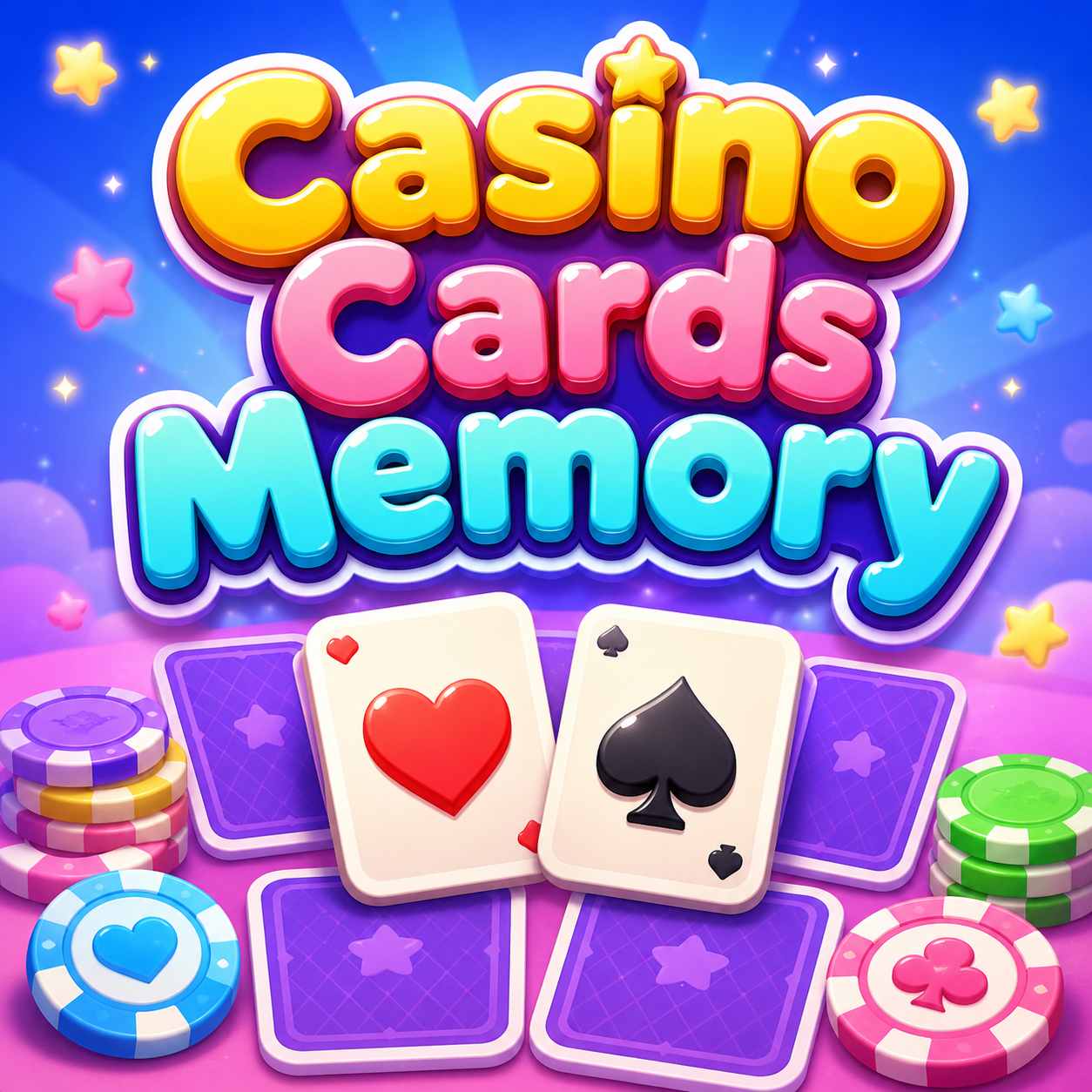 Brain
BrainCasino Cards Memory
Play now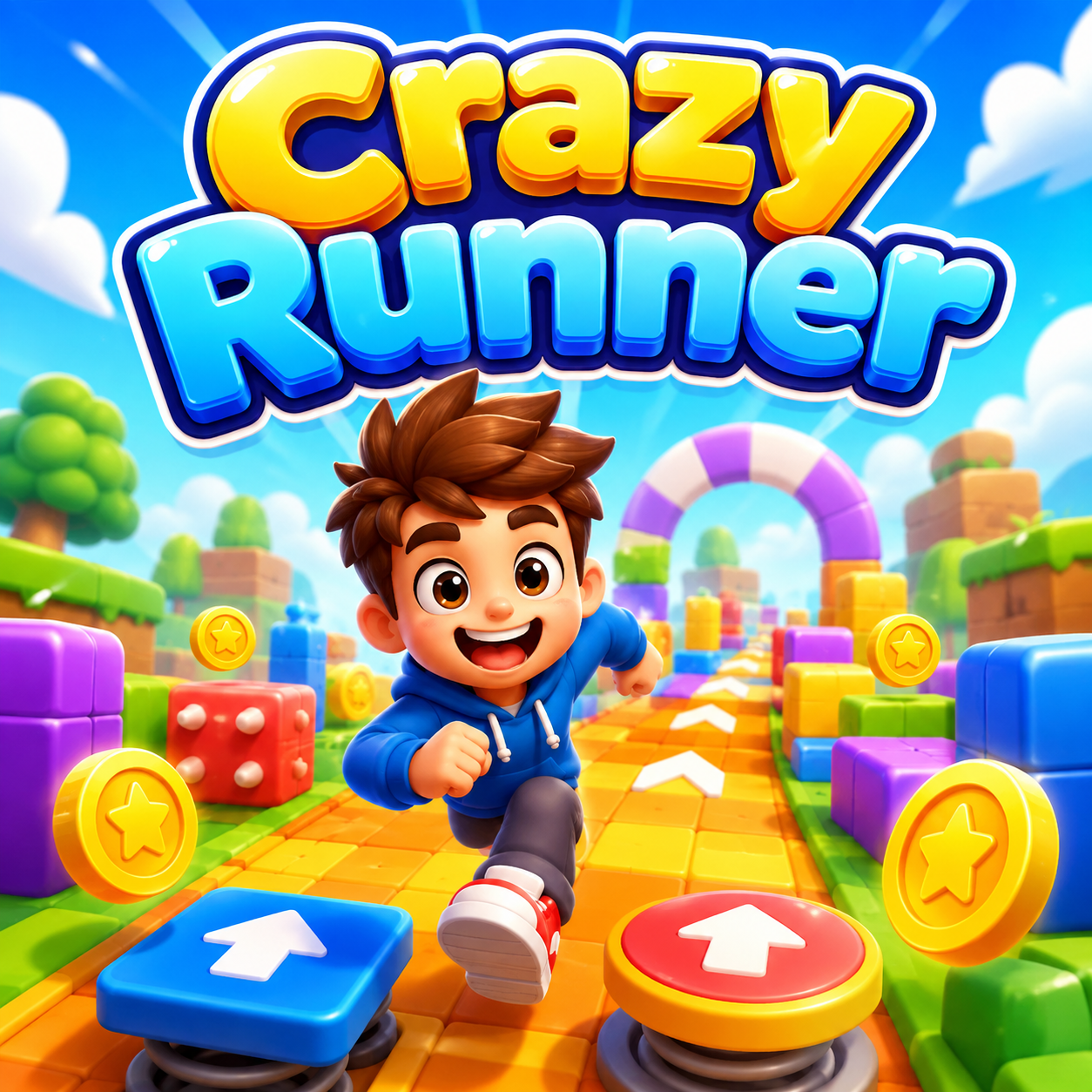 Jumping
Crazy Runner
Play now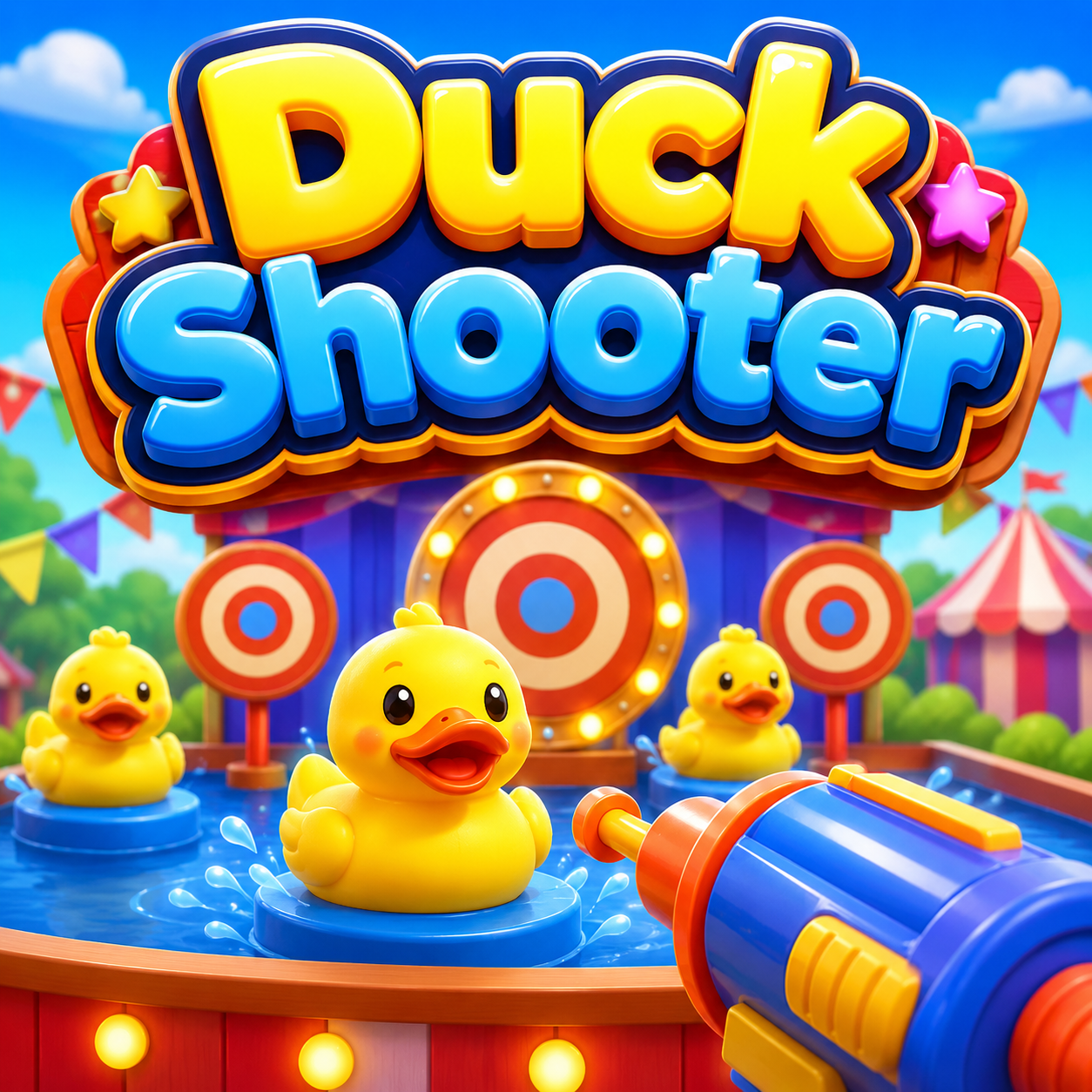 Shooting
Duck Shooter
Play now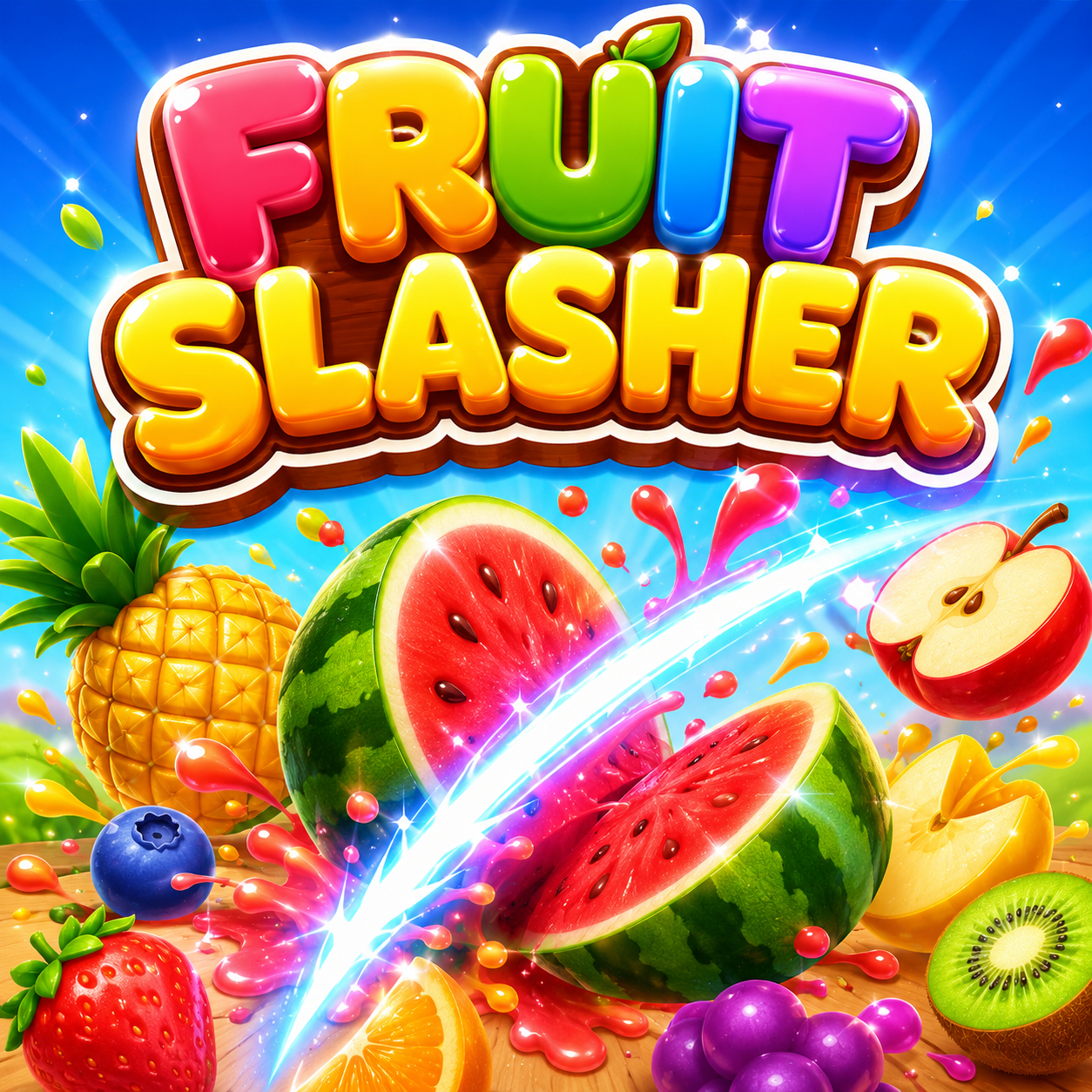 Arcade
Fruit Slasher
Play now Adventure
Gold Miner
Play now Puzzle
Halloween Match 3
Play now Puzzle
Jelly Match 3
Play now Brain
BrainMemory Game
Play now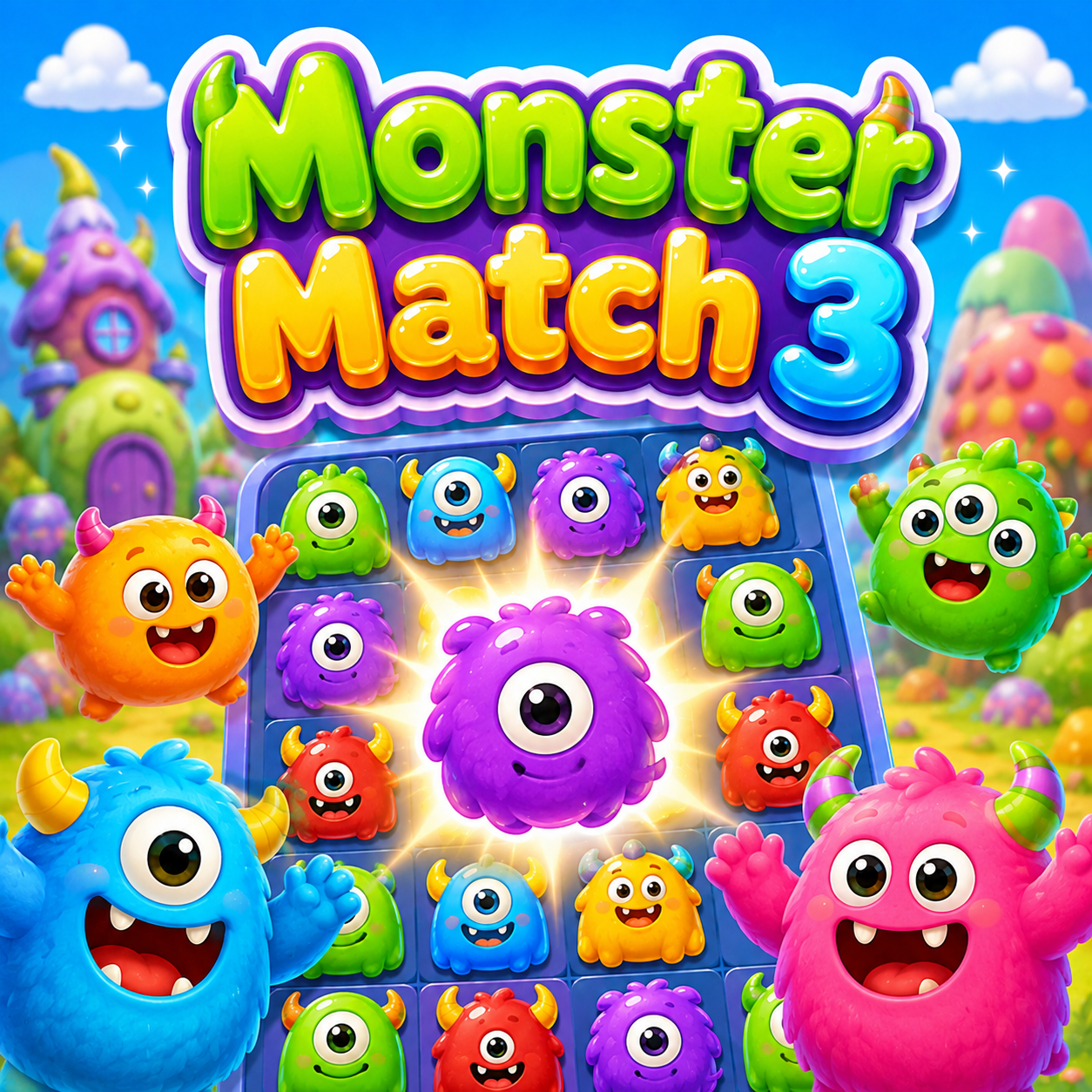 Puzzle
Monster Match 3
Play now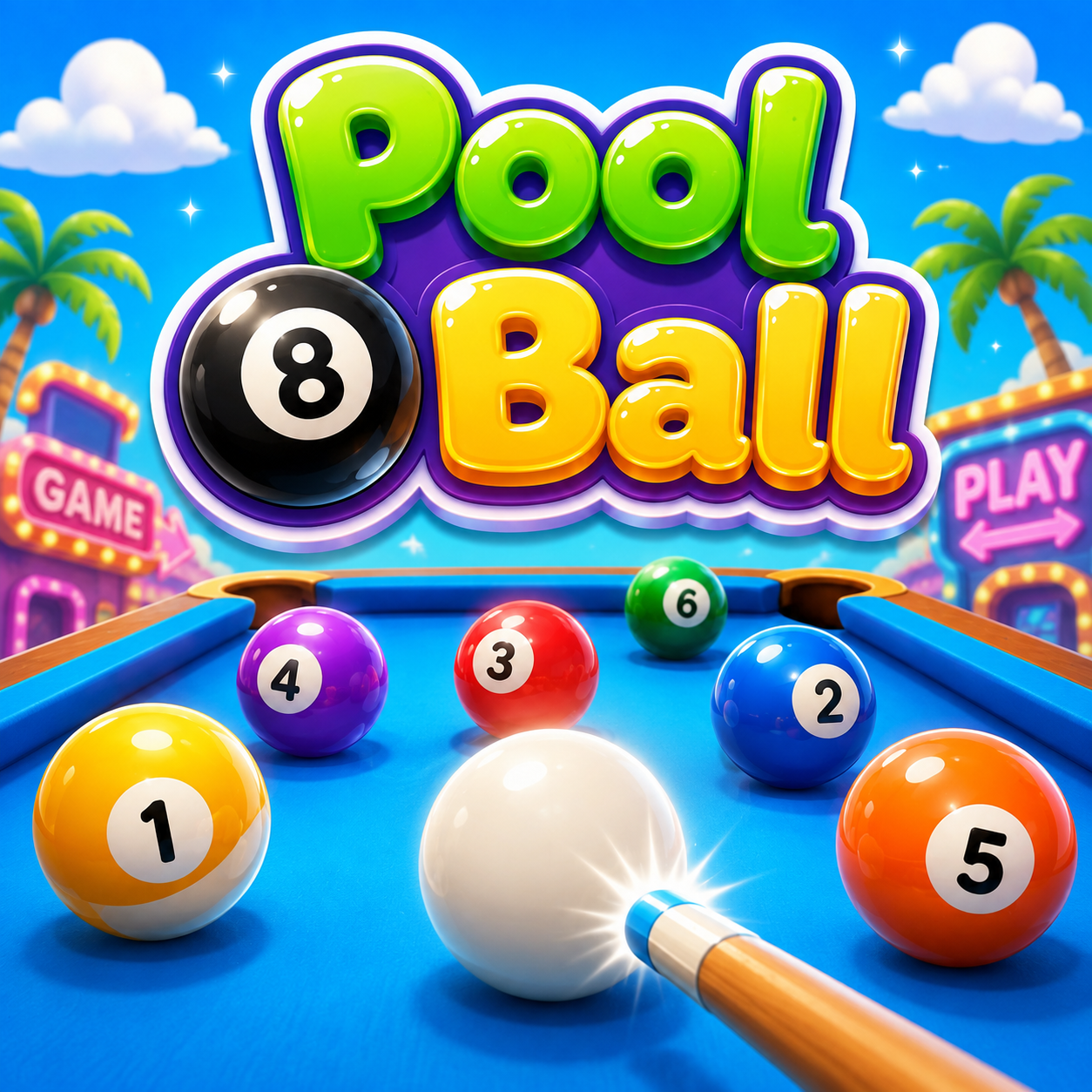 Sports
Pool 8 Ball
Play now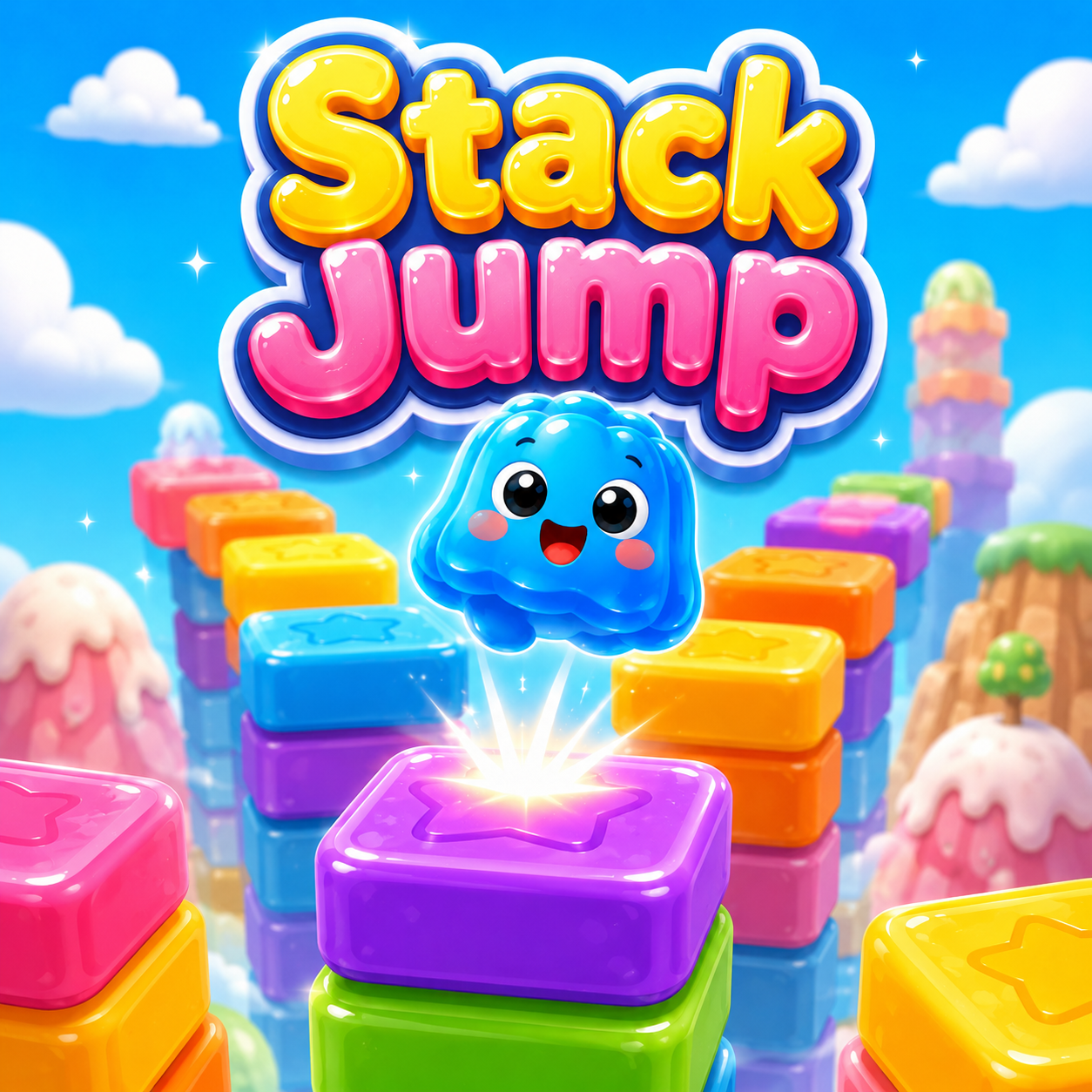 Jumping
Stack Jump
Play now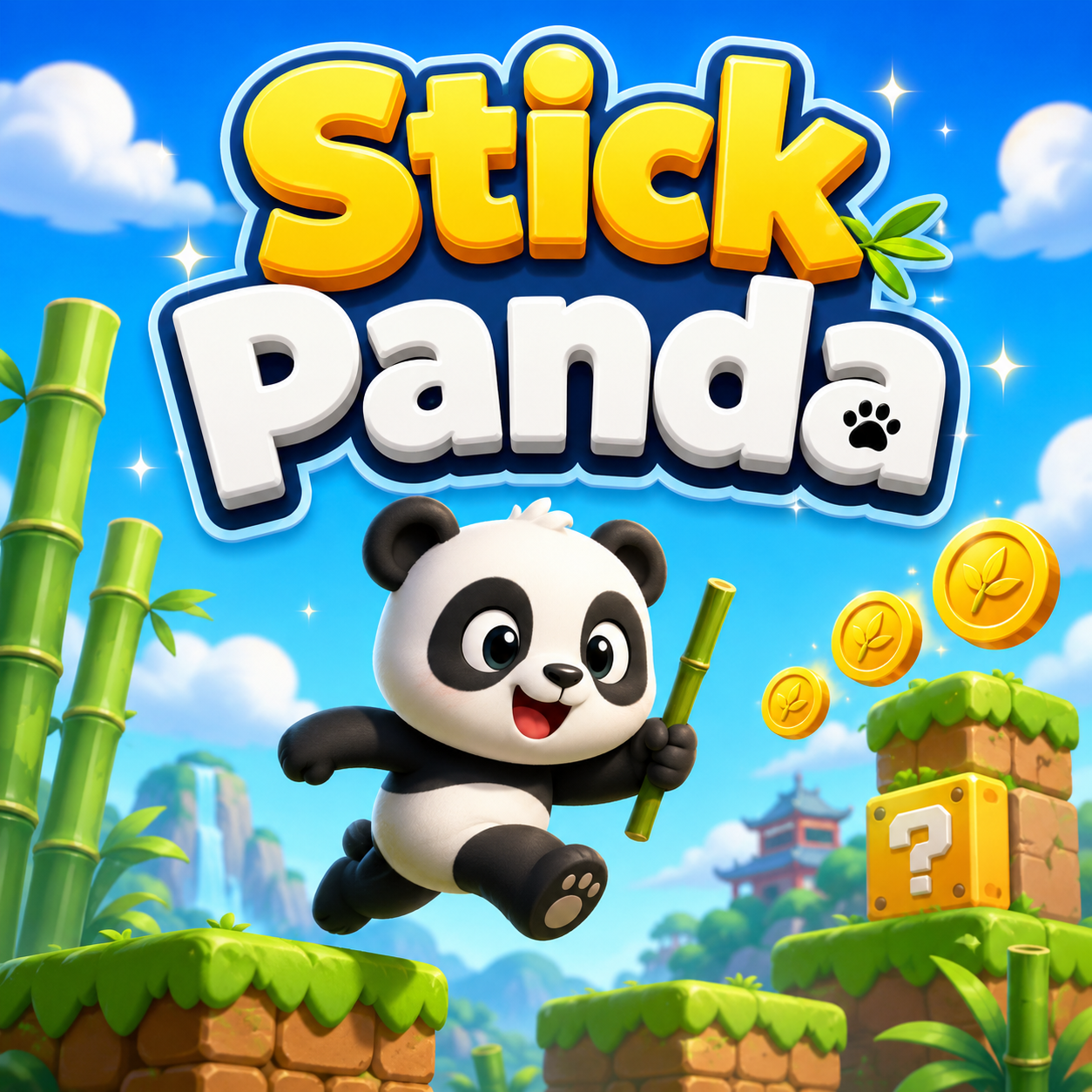 Jumping
Stick Panda
Play now Skill
SkillTouch Ball
Play now Kids
KidsChristmas Balloons
Play now Puzzle
Christmas Match 3
Play now Puzzle
Christmas Match 3
Play now Jumping
Christmas Panda Run
Play now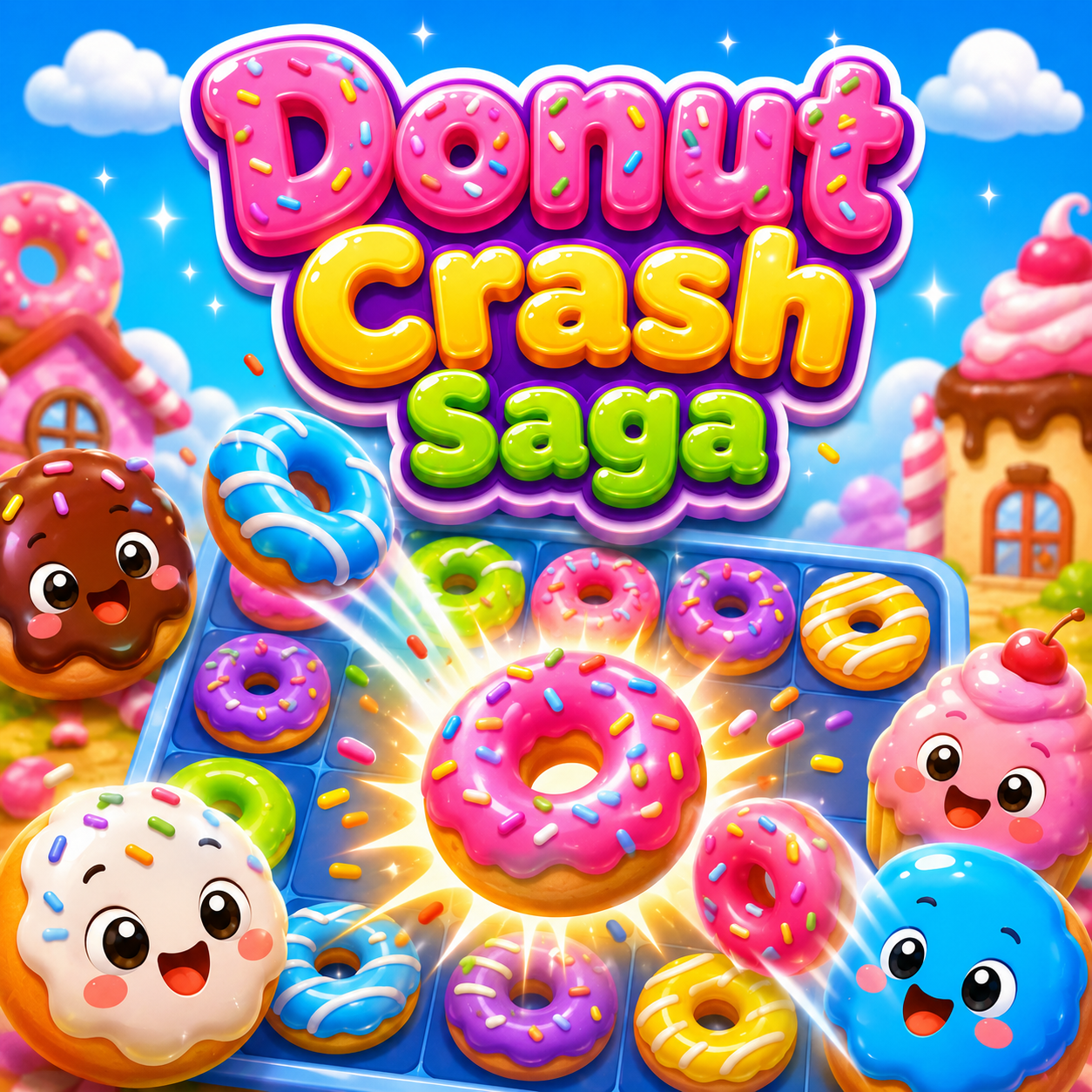 Puzzle
Donut Crash Saga
Play now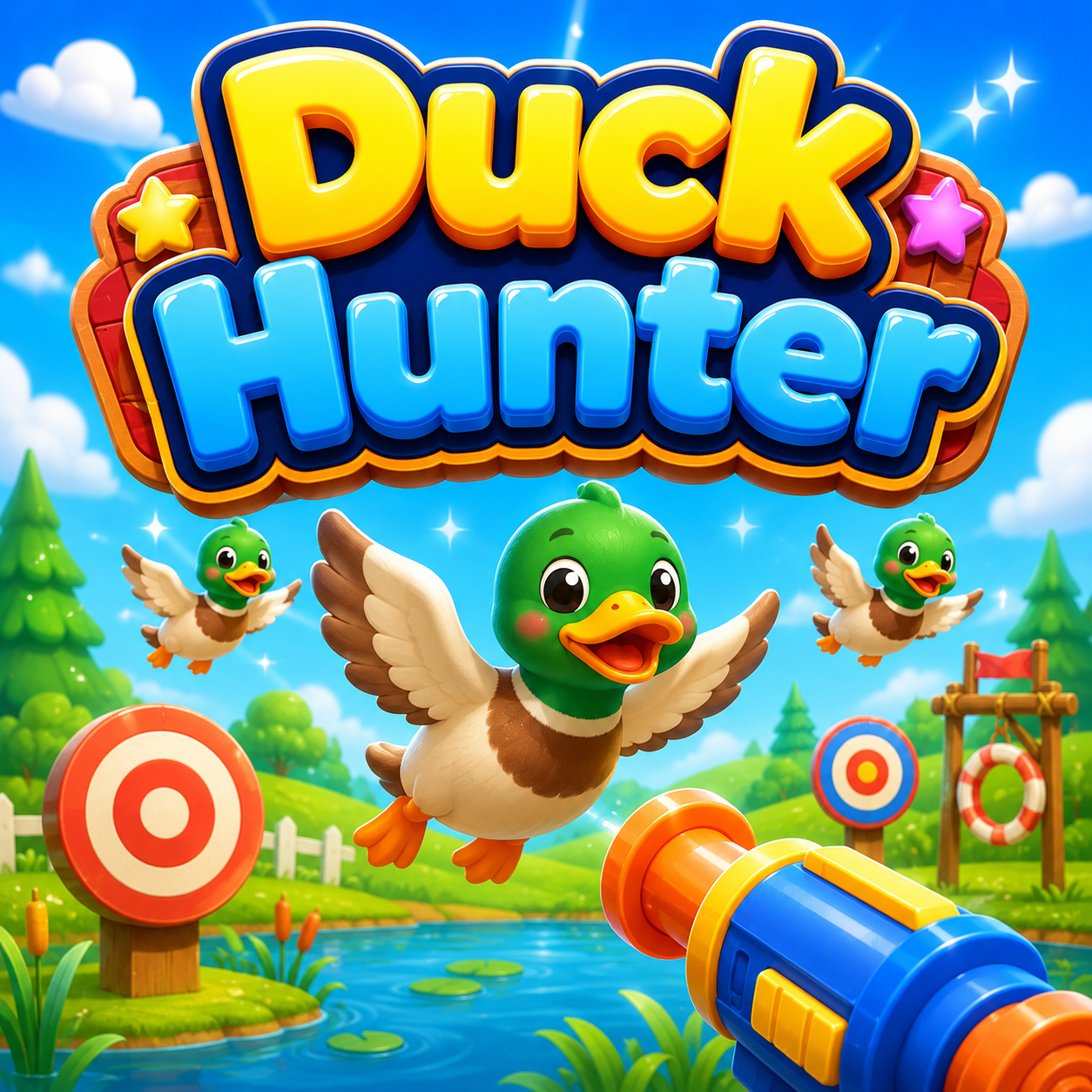 Shooting
Duck Hunter
Play now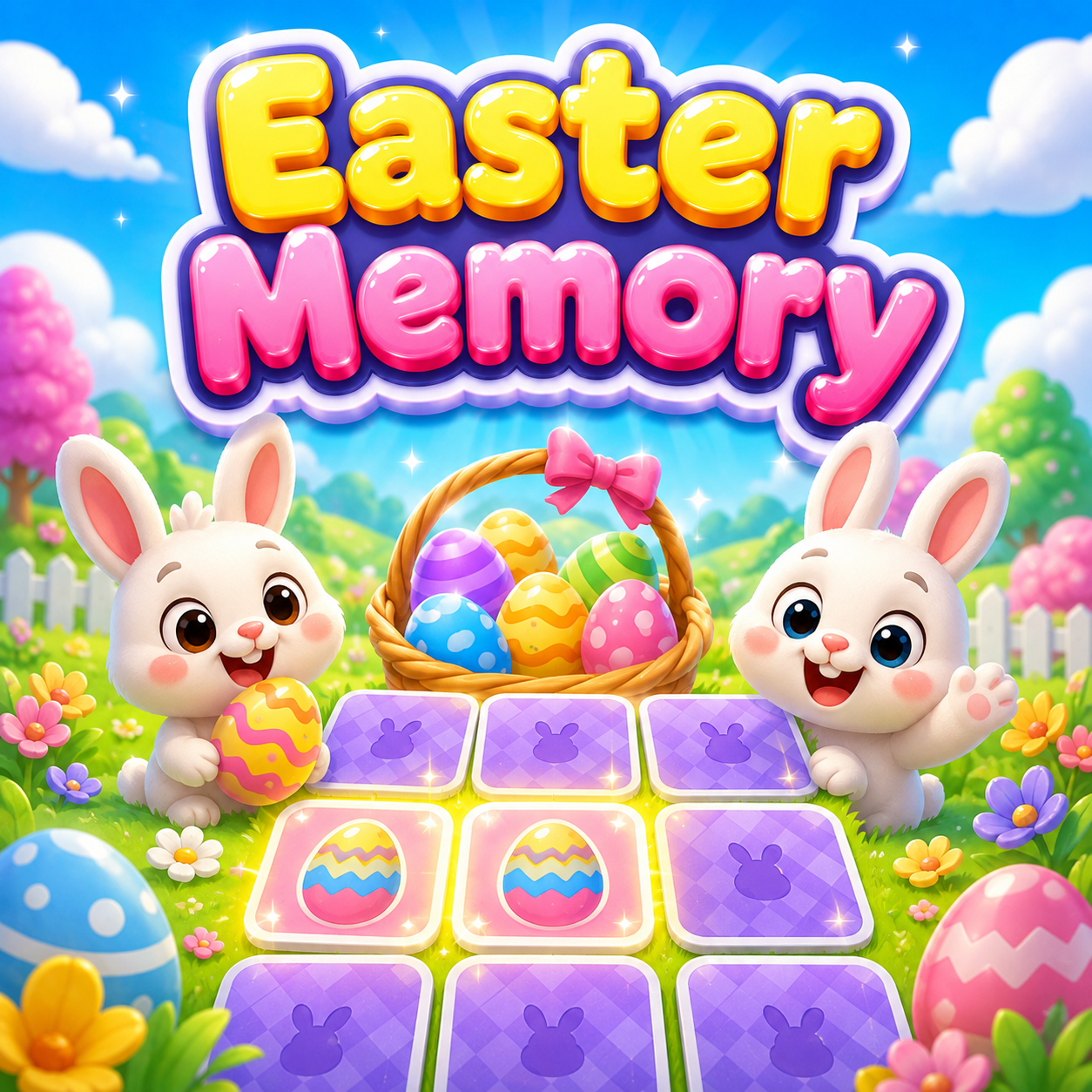 Brain
BrainEaster Memory
Play now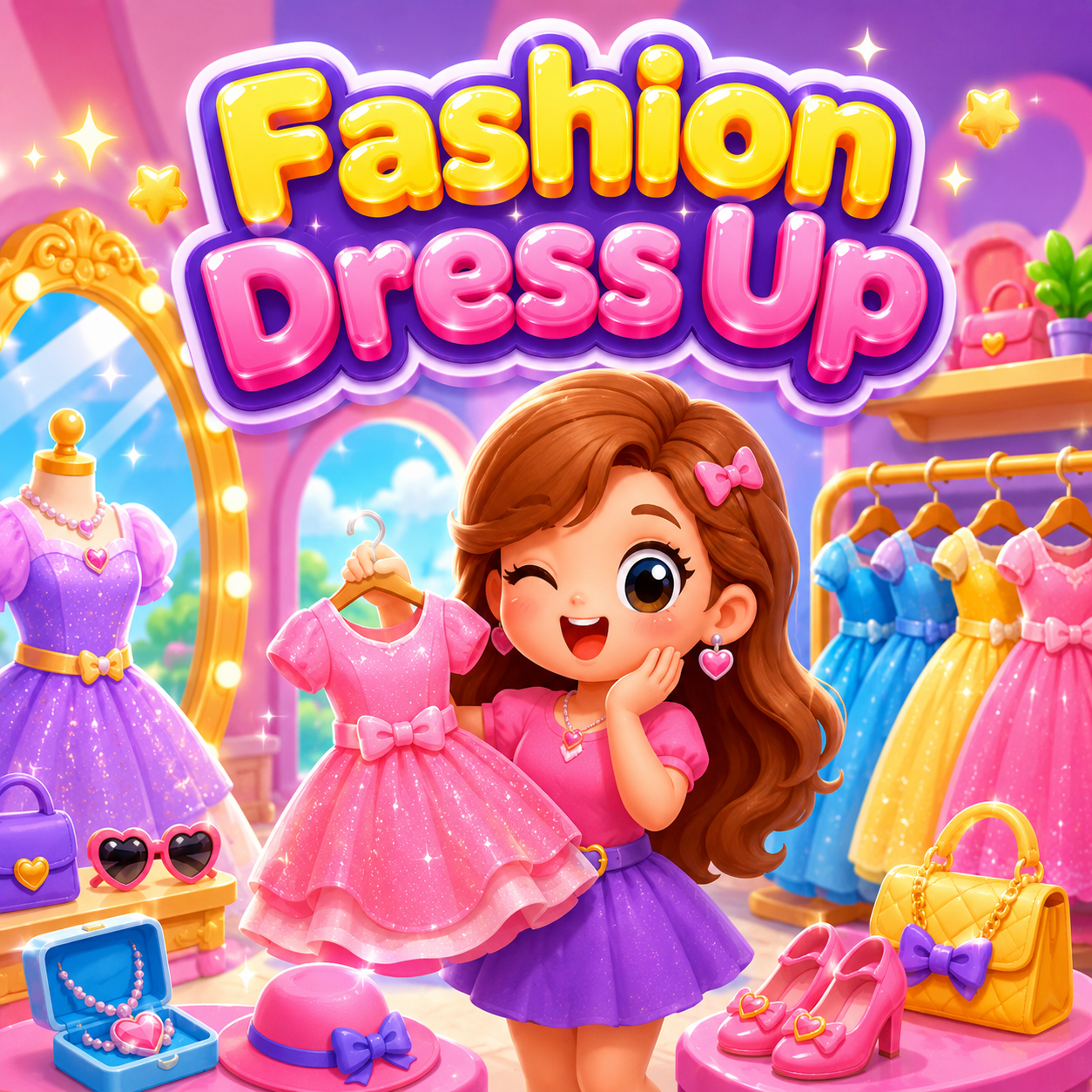 Dress-up
Fashion Dress Up
Play now Arcade
Flappy Ball
Play now Adventure
Gold Coast
Play now Adventure
Gold Miner Jack
Play now Puzzle
Halloween Bubble Shooter
Play now Brain
BrainHalloween Memory
Play now Skill
SkillHandless Millionaire
Play now Horror
Happy Halloween
Play now Puzzle
Hot Jewels
Play now Puzzle
Lollipops Match 3
Play now Adventure
Mad Fish
Play now Action
Mad Shark
Play now Adventure
Mummy Candies
Play now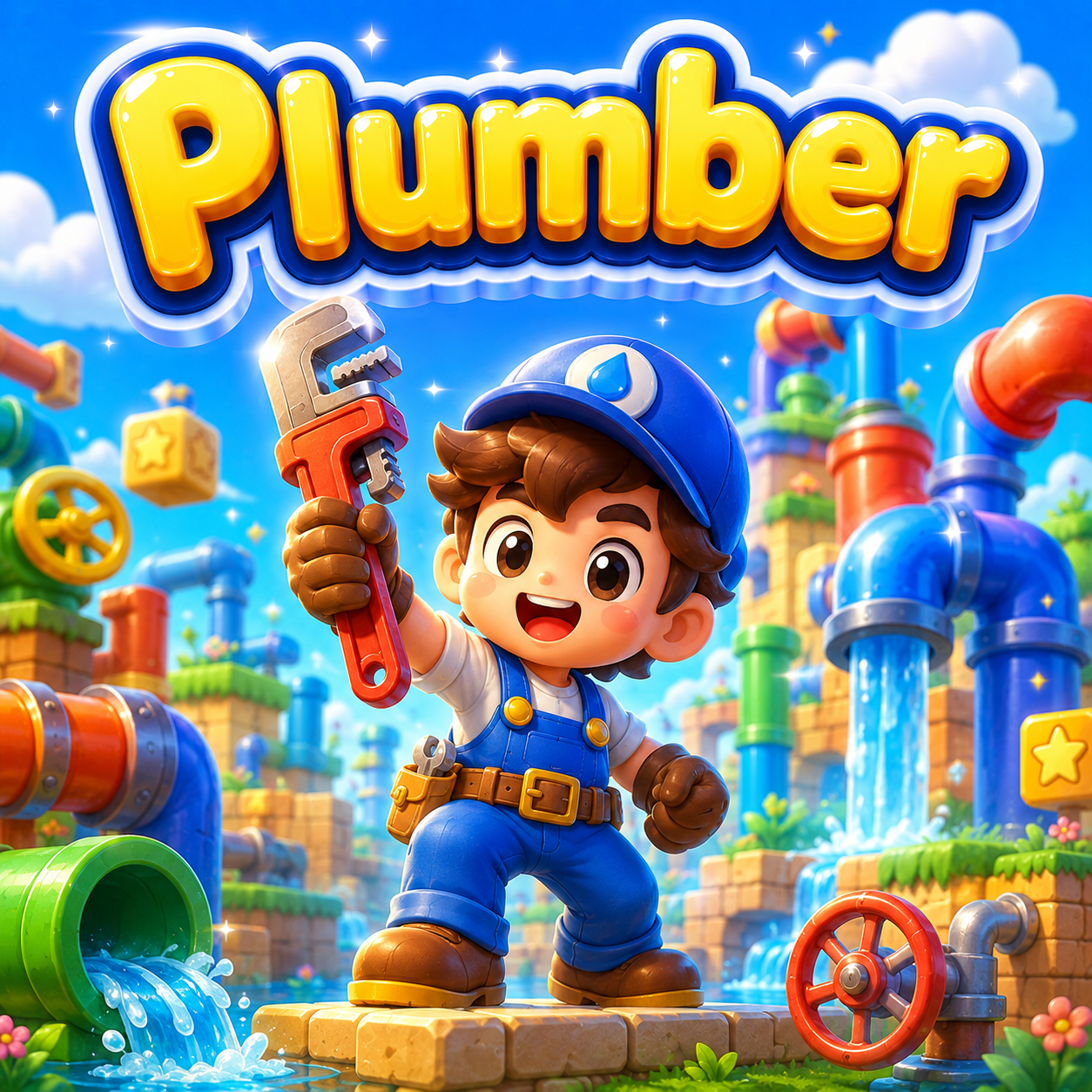 Puzzle
Plumber
Play now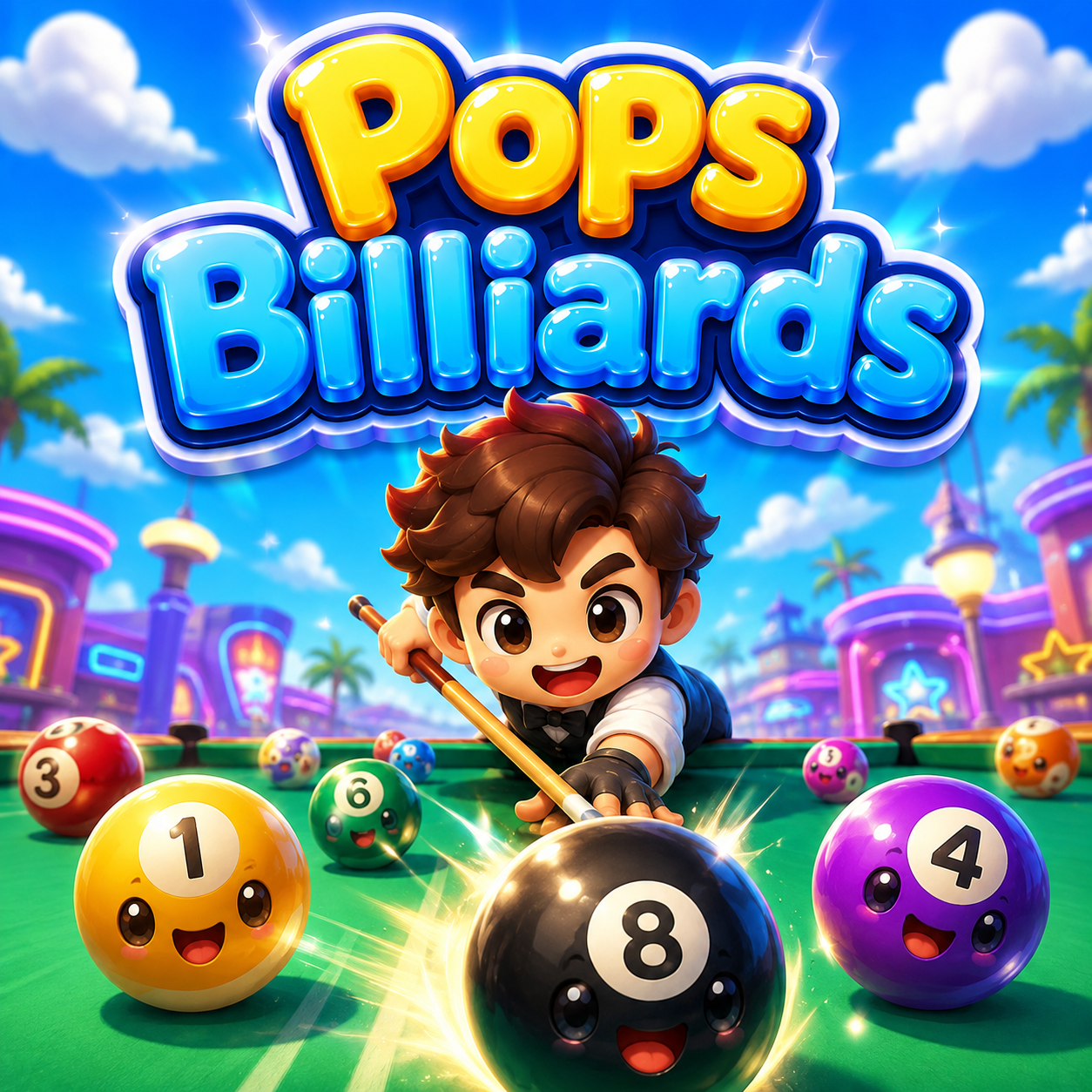 Sports
Pops Billiards
Play now Puzzle
Professor Bubble
Play now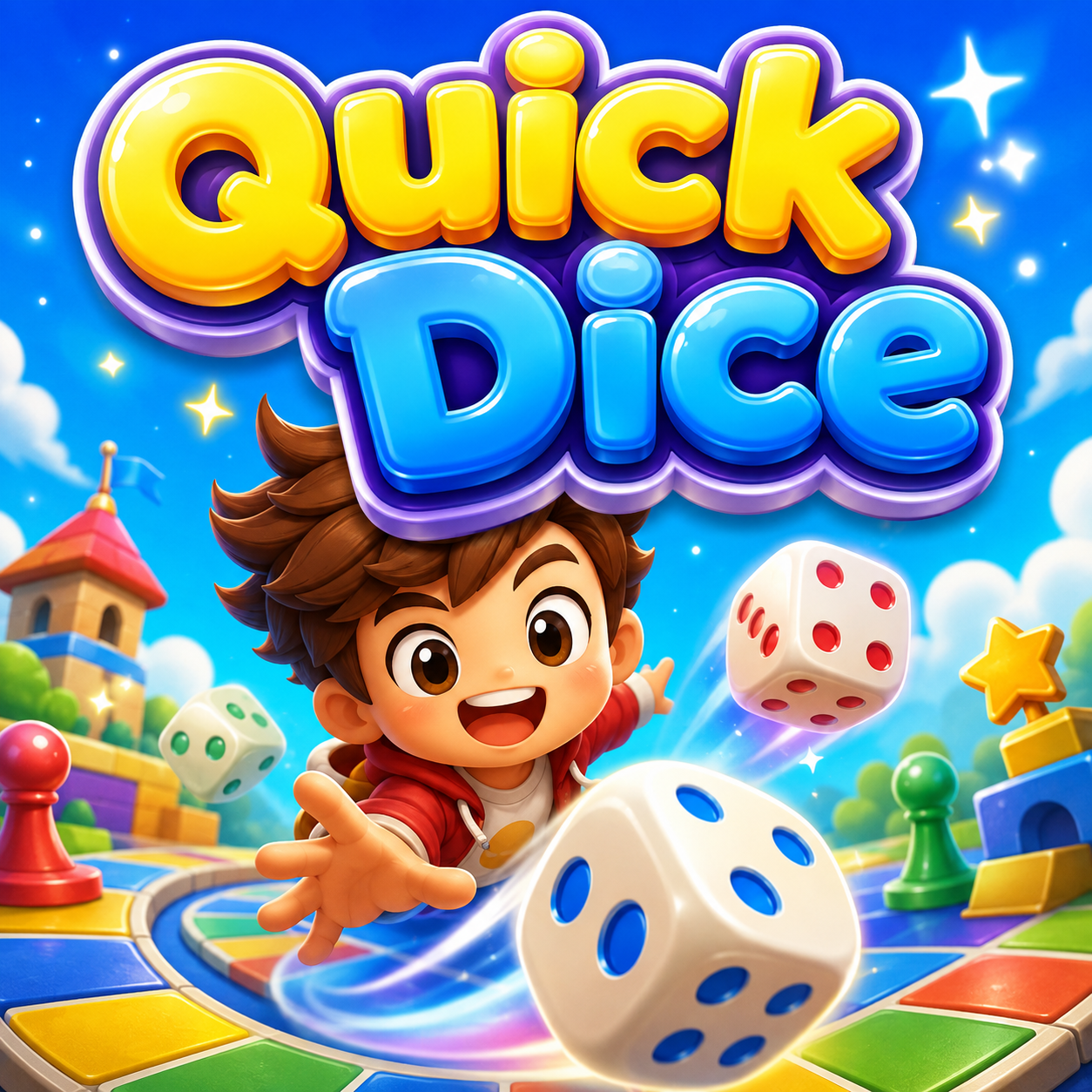 Casual
Quick Dice
Play now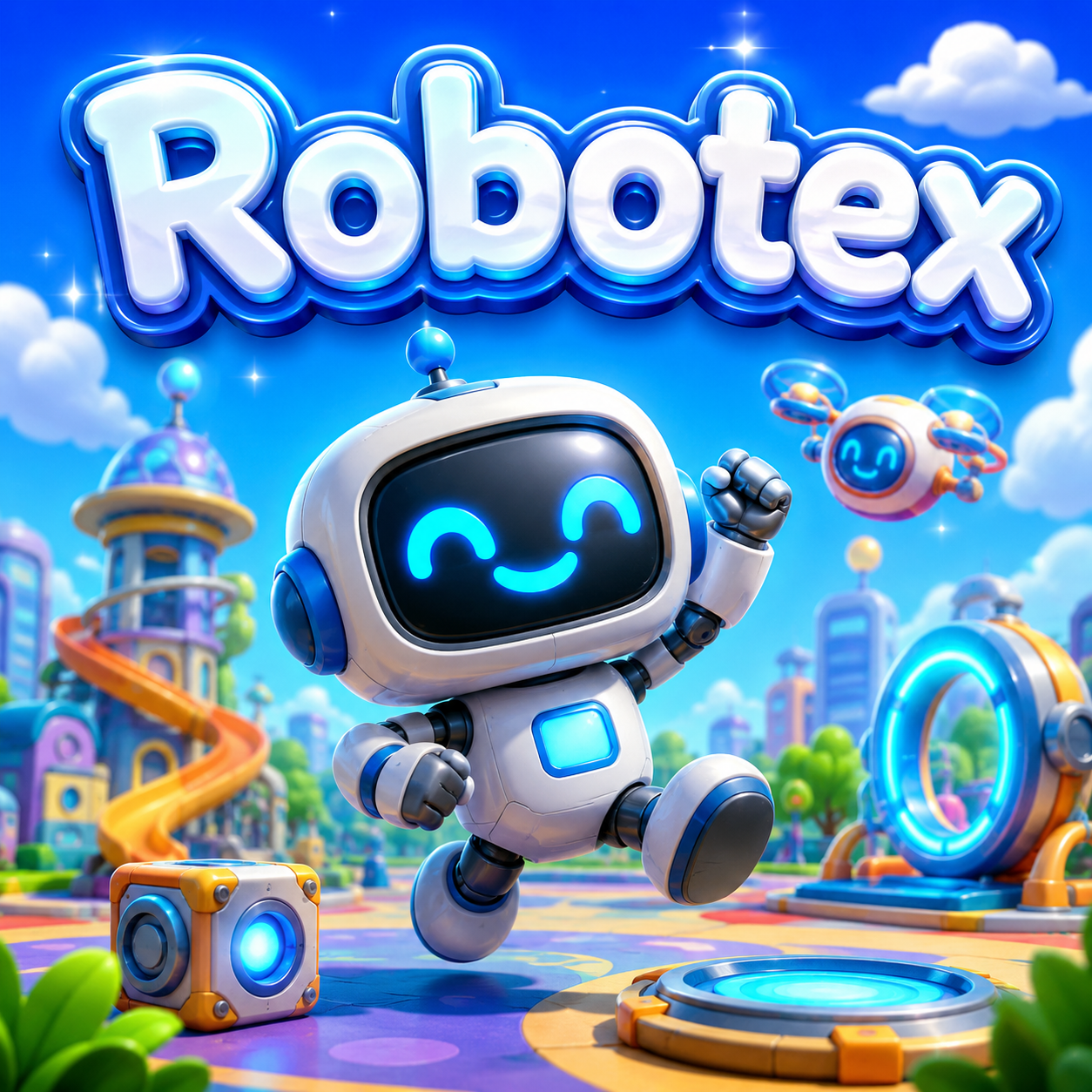 Brain
BrainRobotex
Play now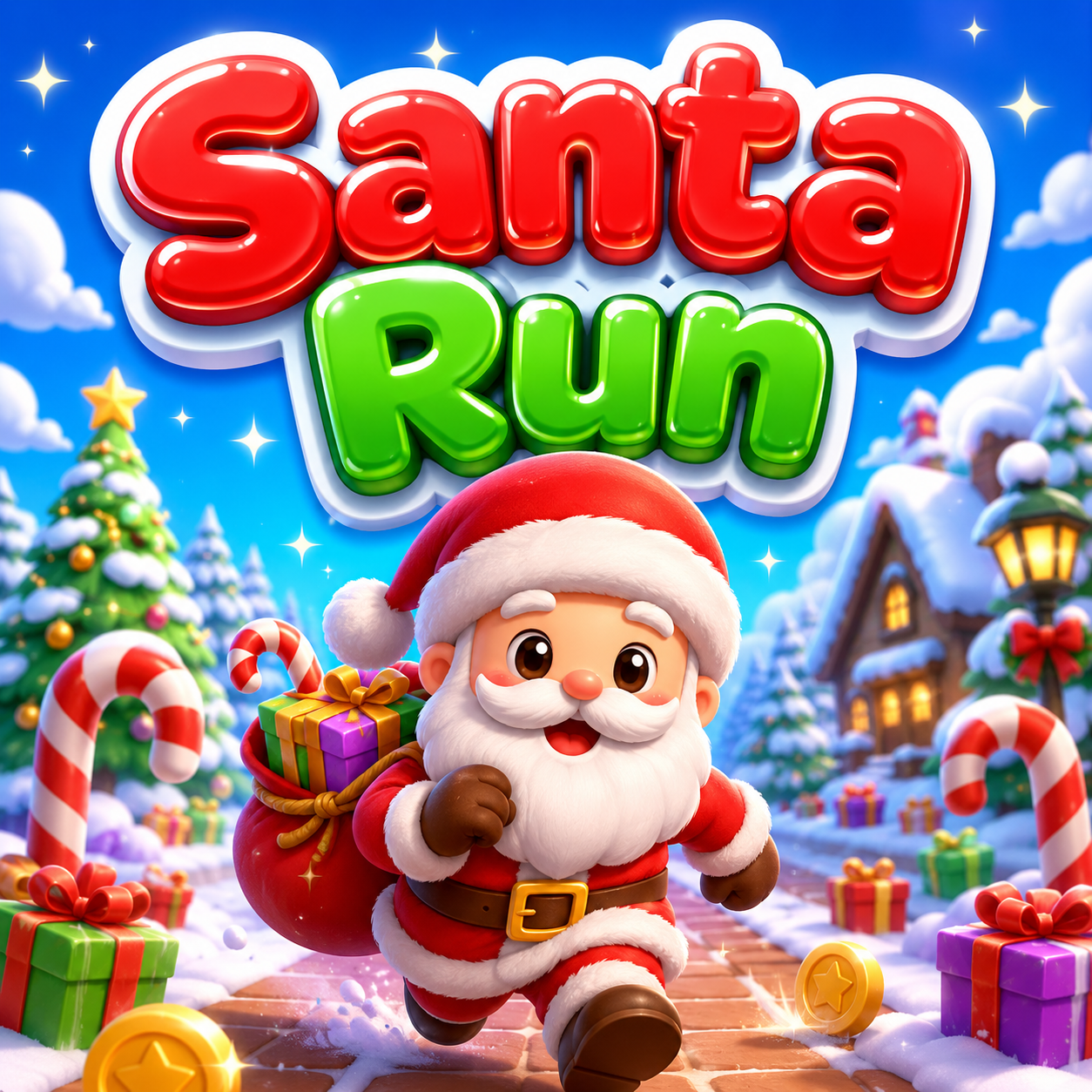 Jumping
Santa Run
Play now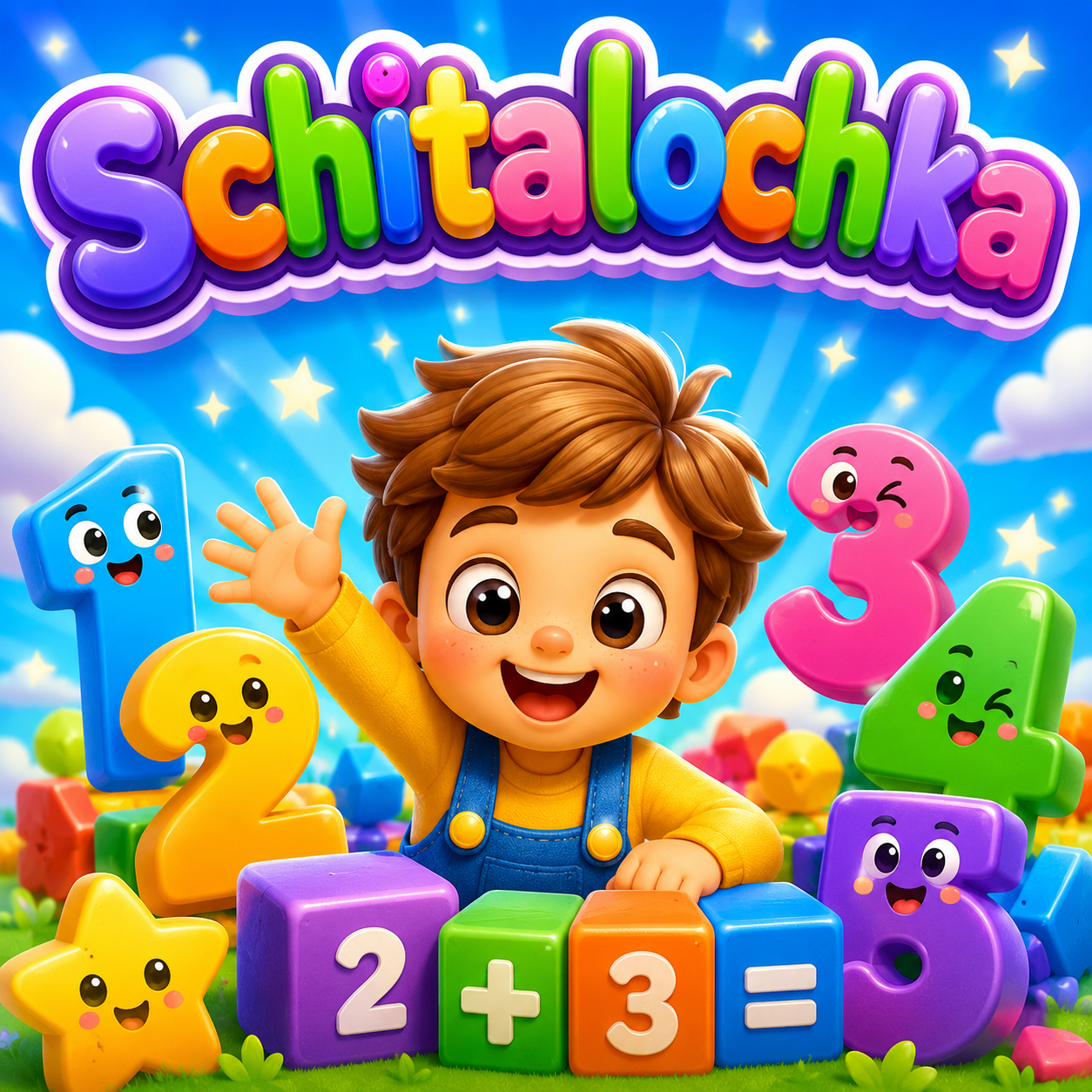 Brain
BrainSchitalochka
Play now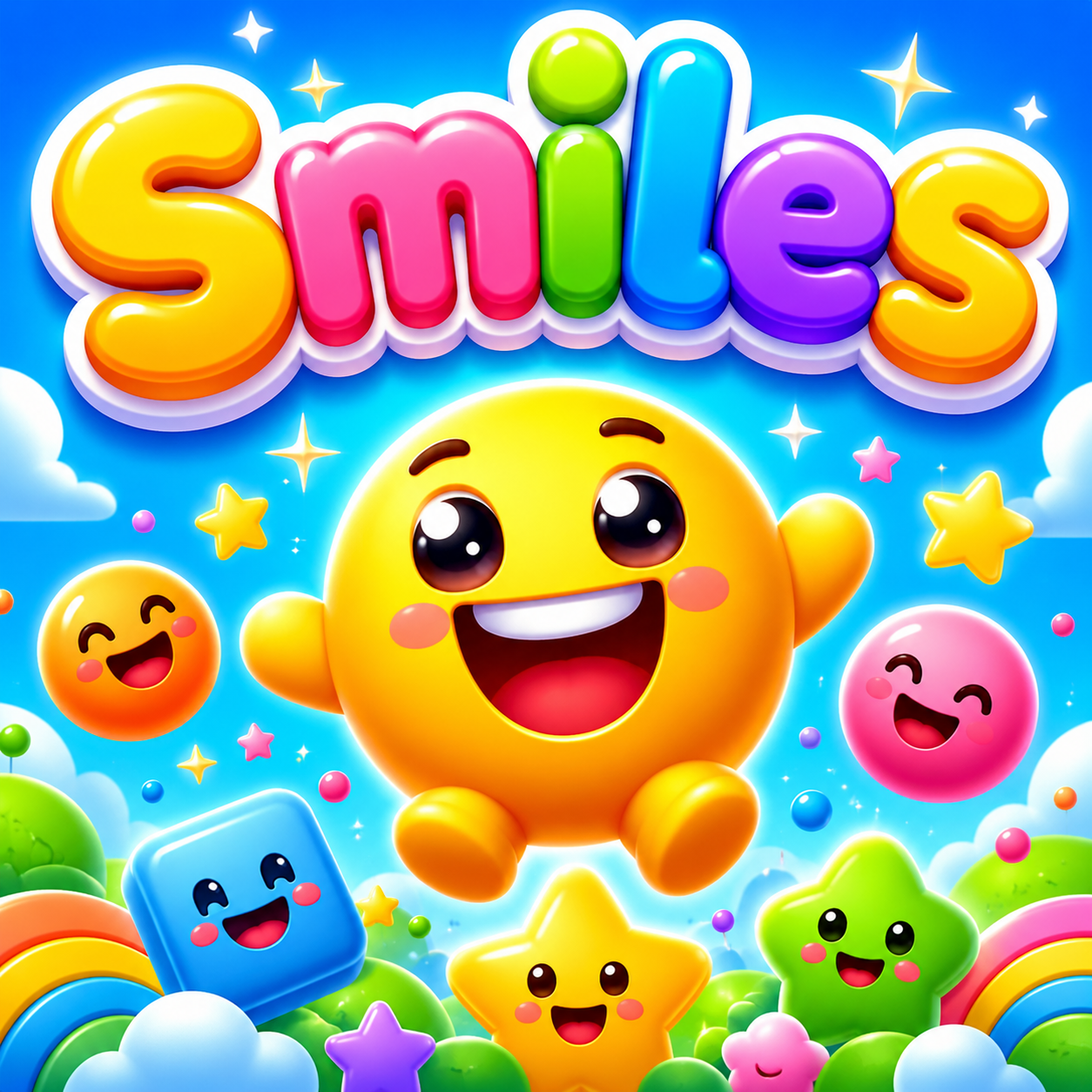 Casual
Smiles
Play now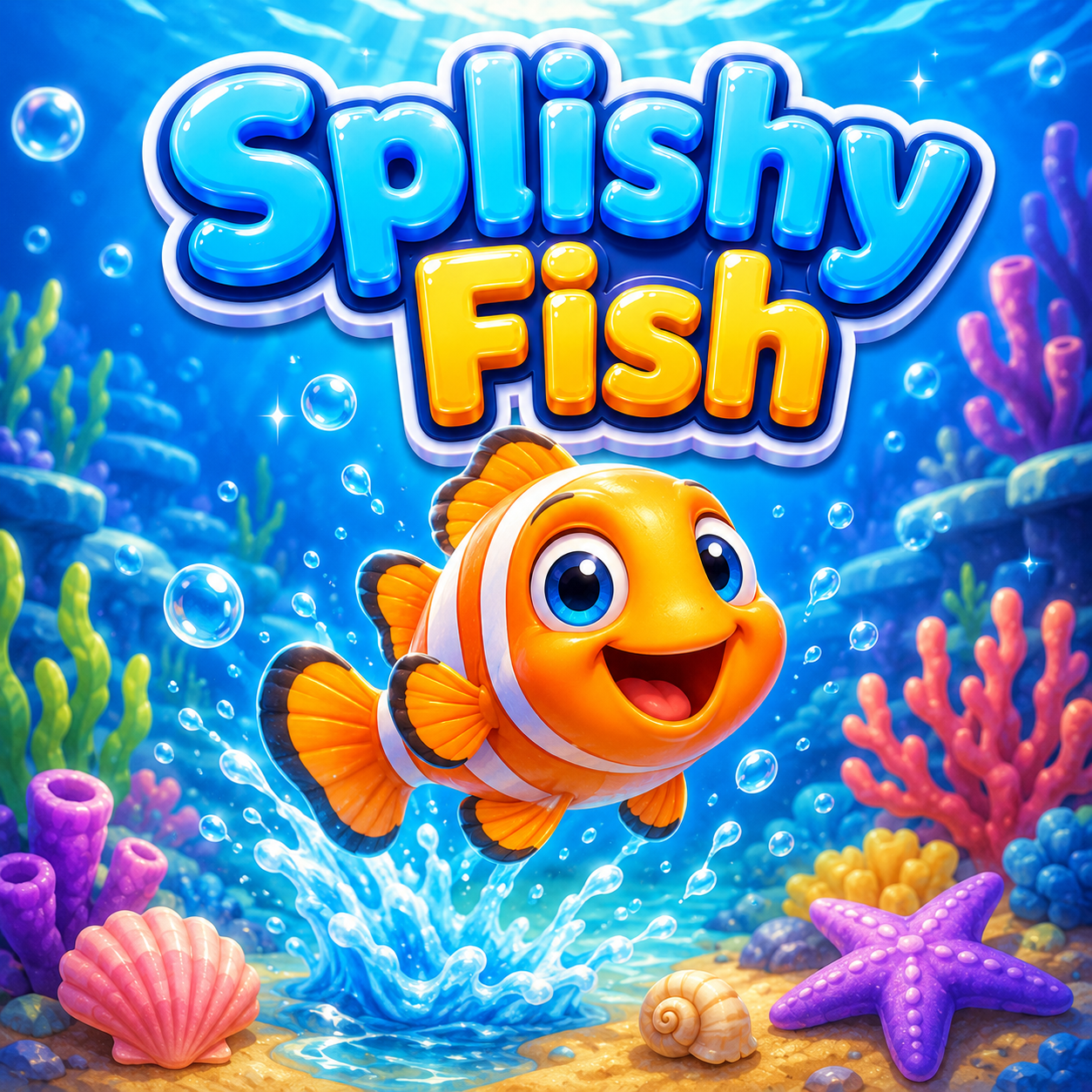 Skill
SkillSplishy Fish
Play now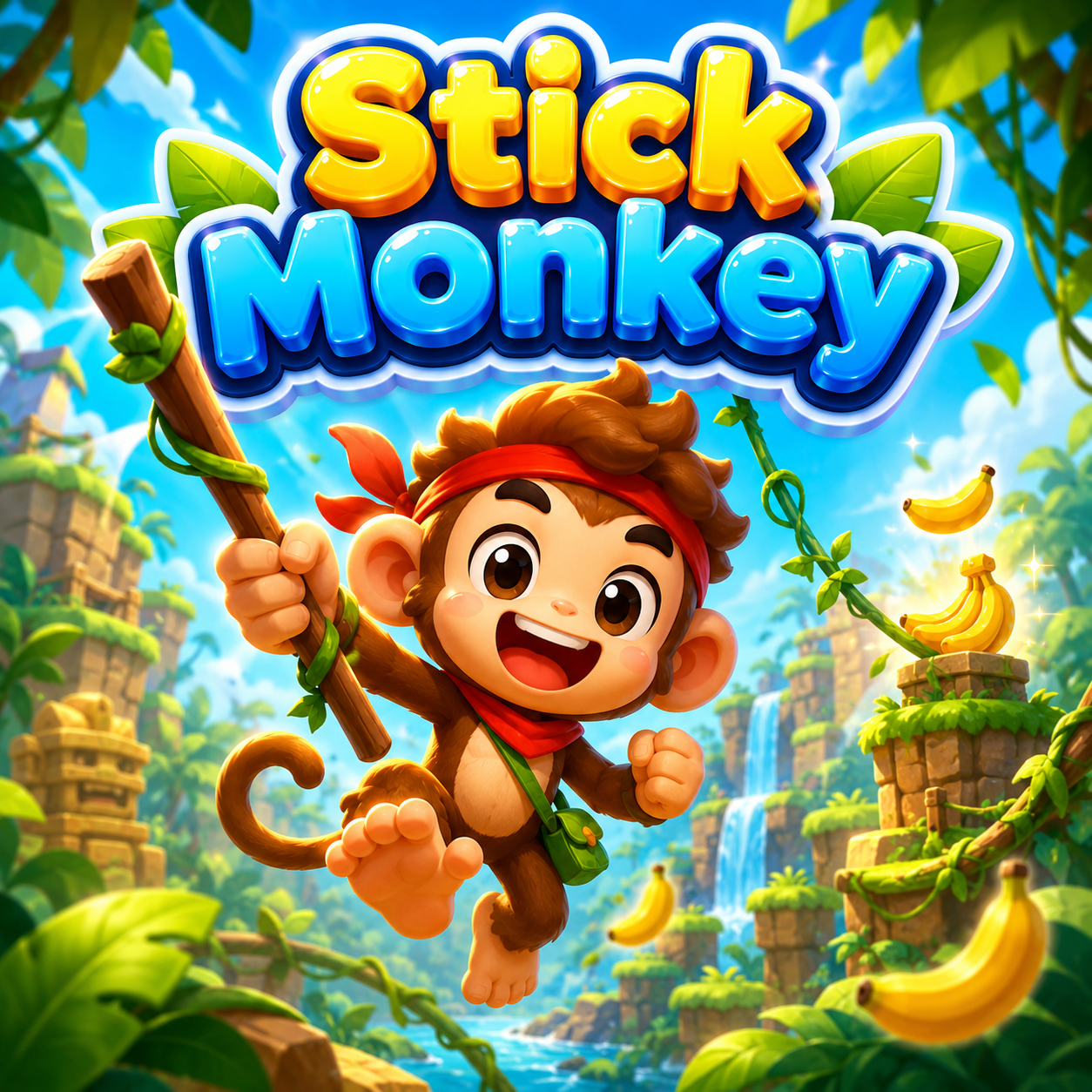 Jumping
Stick Monkey
Play now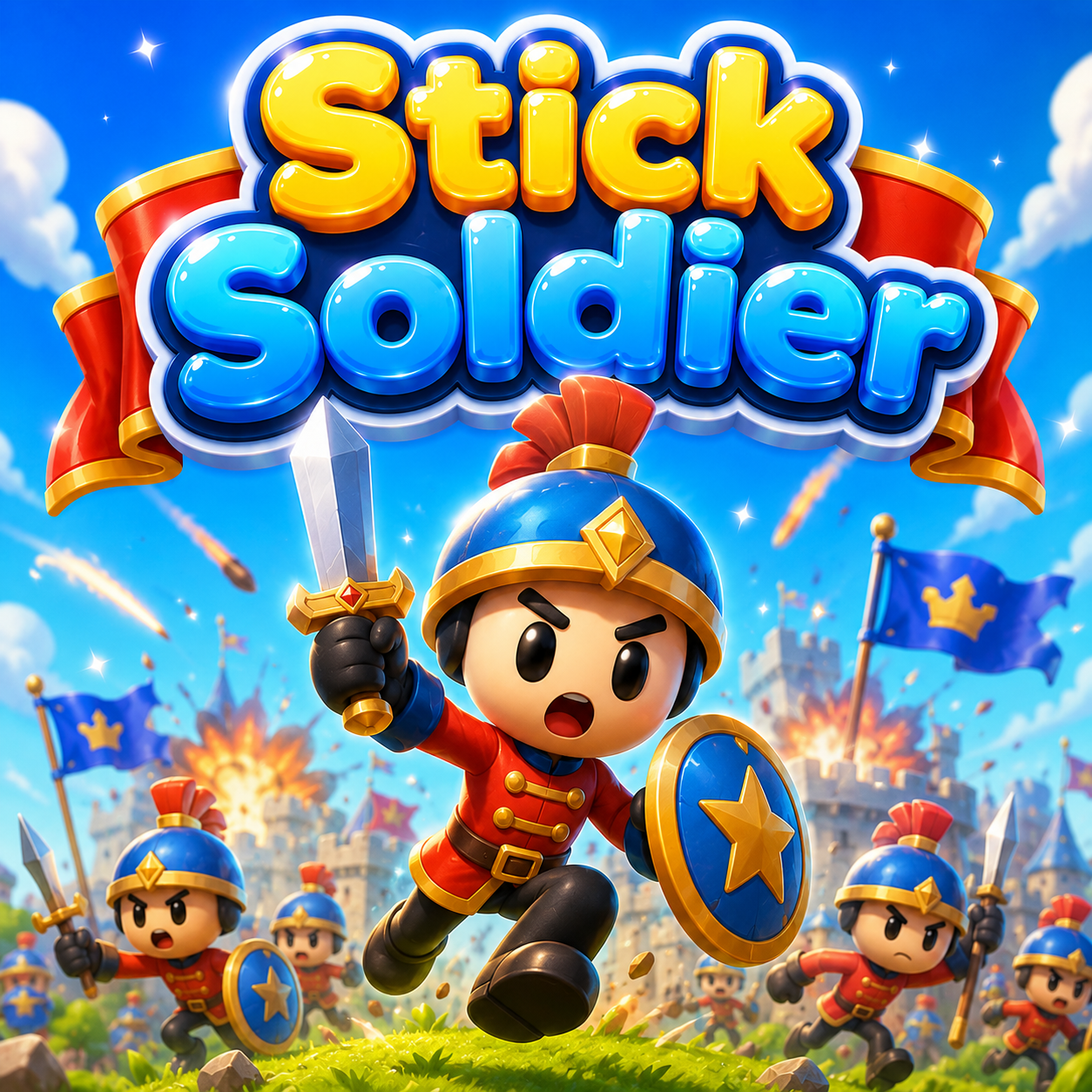 Skill
SkillStick Soldier
Play now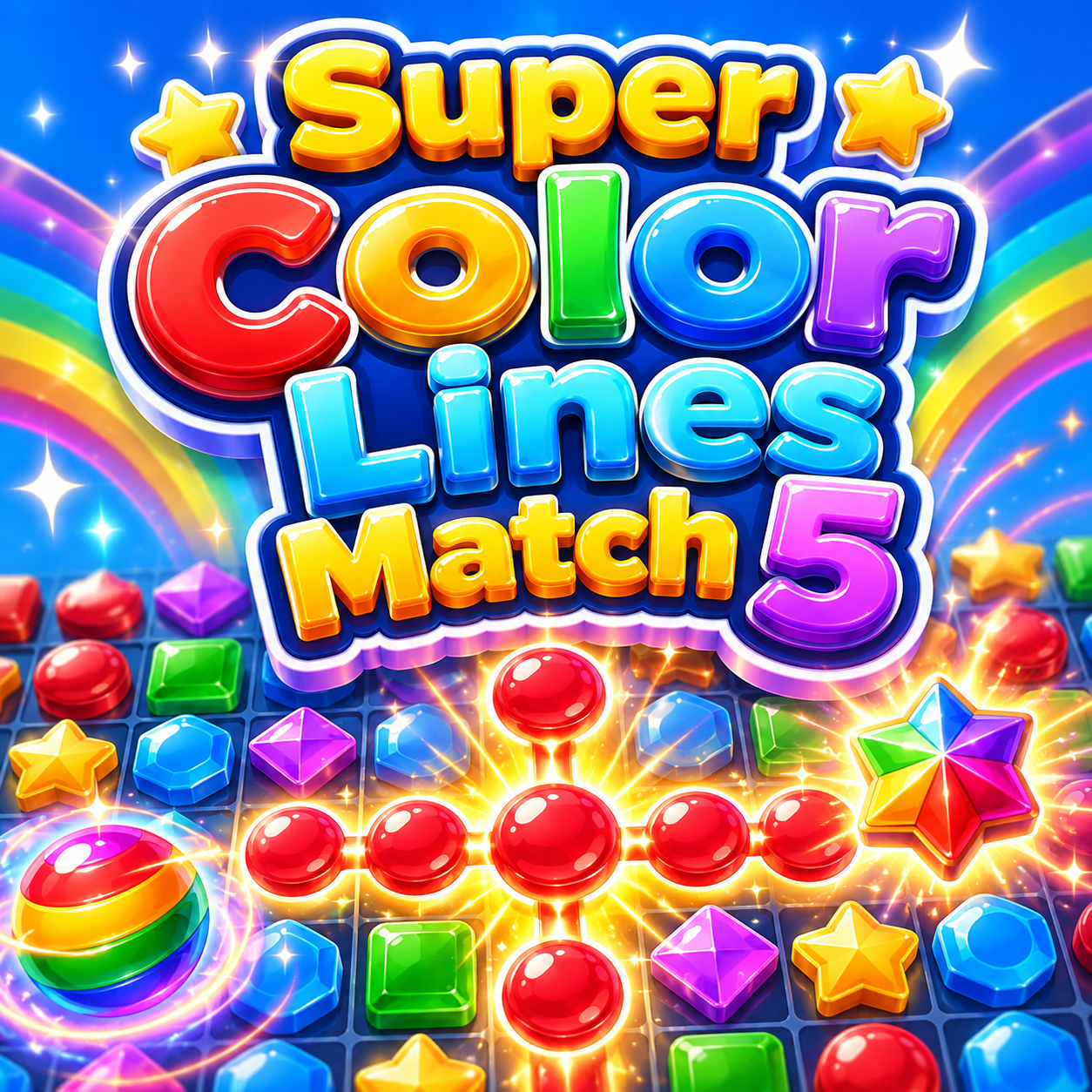 Puzzle
Super Color Lines Match 5
Play now Sports
Super PonGoal
Play now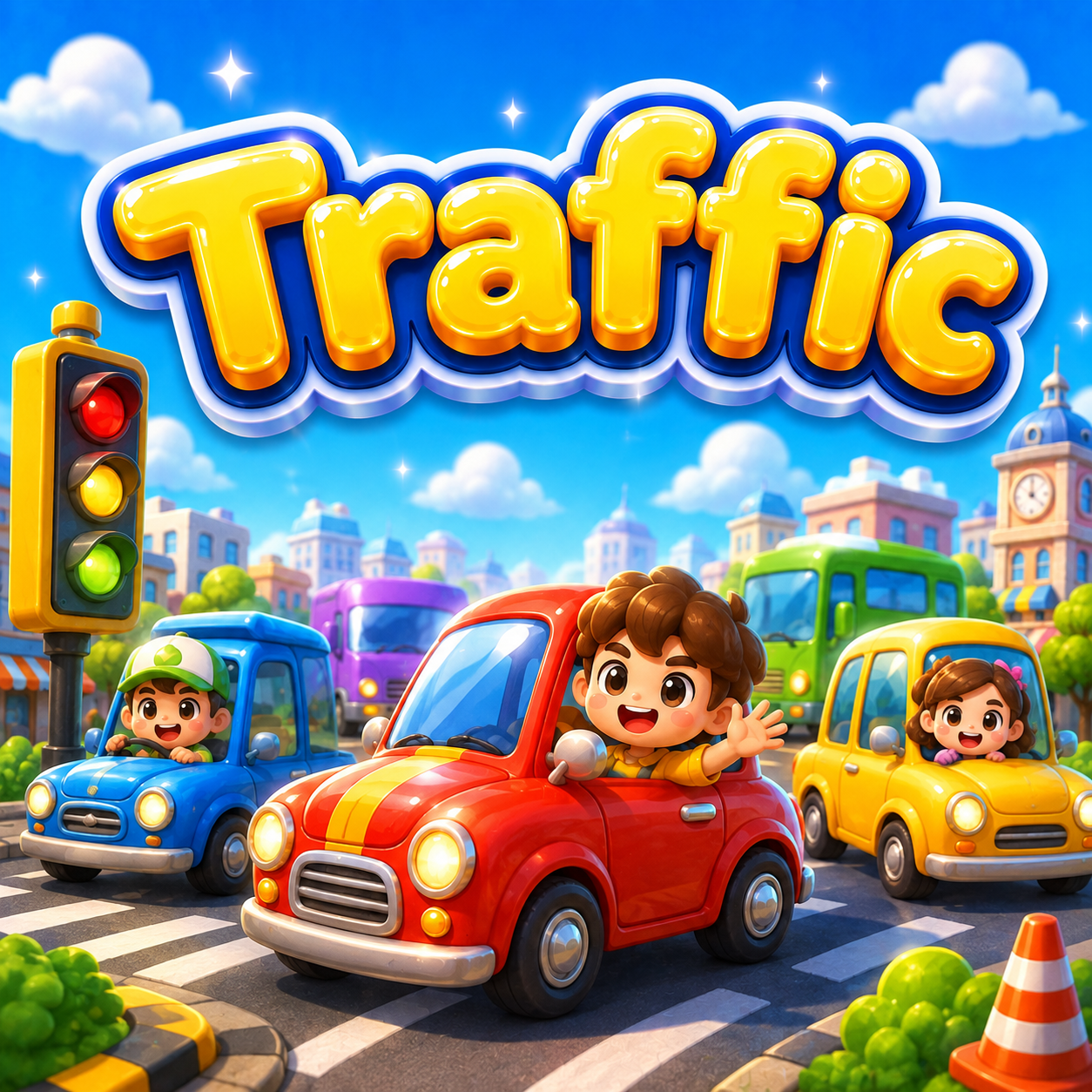 Driving
Traffic
Play nowCasual games
Casual is the vaguest label in the catalogue, and because it is broad it has become the biggest shelf on the site. Sixty-one titles under one label is too many to scroll through card by card. So the way to use this shelf is not to hunt down the list but to filter it. We set three tests you can actually check, and use them as a lens on whether the game in front of you is genuinely light or only looks it.
Test one: can you start playing straight away?
A truly casual game should have no long tutorial before it begins. Most of the colour-clearing boards and rhythm-tap games here pass this easily, because seeing them is understanding them. Games with a level system or a settings screen to adjust first pass it less, even when they carry the casual label.
Test two: how much does a mistake hurt?
A genuinely light game should not punish you heavily for slipping. The dress-up and fishing groups here have almost no penalty at all — play badly and you simply start again with nothing lost. Games with a clock at your back or lives to lose begin to drift out of the casual definition toward something more testing.
Test three: can you put it down mid-way?
A good casual game can be set down any time without feeling like you abandoned something. Games that finish in short rounds, like rhythm-tap and matching boards, pass this. Games that accumulate progress across a long level are harder to leave, because you feel the pull of the unfinished run.
How to use the three tests
Not every game on the shelf passes all three. Many carry the casual label because they look light, but measured properly they are light only at the start. If you want something light with no strings, choose from the group that passes all three: matching boards with no clock, dress-up games, and short rhythm-tap titles.
Common questions about the casual shelf
How is the casual label different from the fun label?
They overlap a lot, but this shelf leans on lightness by the tests, while the fun shelf is broader and mixes in games that take skill. A single game sits on both if it is both light and mixed.
Why is this the biggest shelf on the site?
Because the casual label attaches to light games across almost every genre, from matching boards to fishing and rhythm-tap, so a single game sits here and on its own genre shelf at once, which pushes the number above the other shelves.
If I want something genuinely light, where do I start?
Start with a matching board that has no clock, because it passes all three tests: it starts at once, punishes nothing heavily, and can be set down mid-way without regret.