 Viviana Arcade
 Arcade
Skill games
50 games in this category
Arcade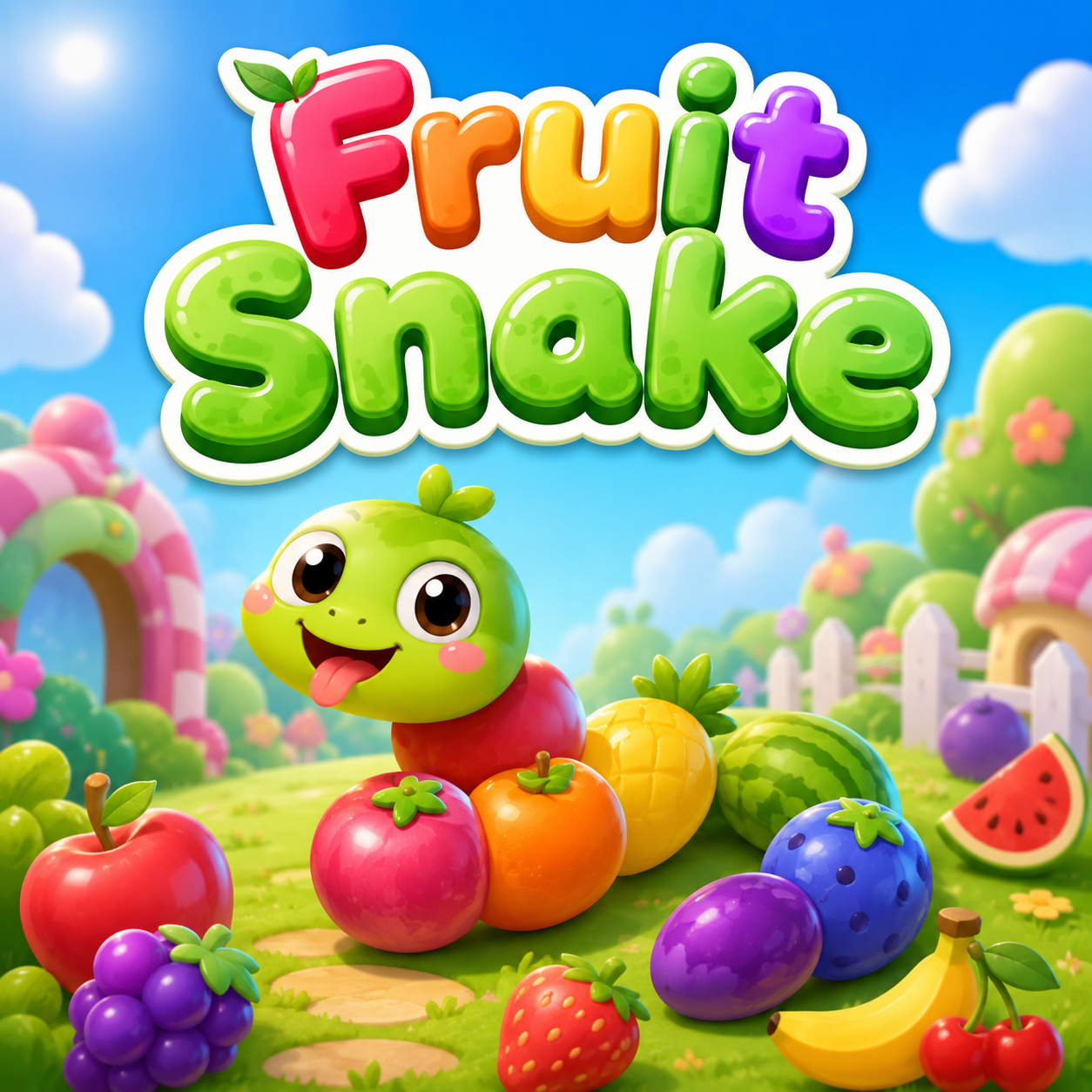 Arcade
Fruit Snake
Play now Skill
SkillFishing Frenzy
Play now Arcade
Angry Cat Shot
Play now Kids
KidsBalloon Paradise
Play now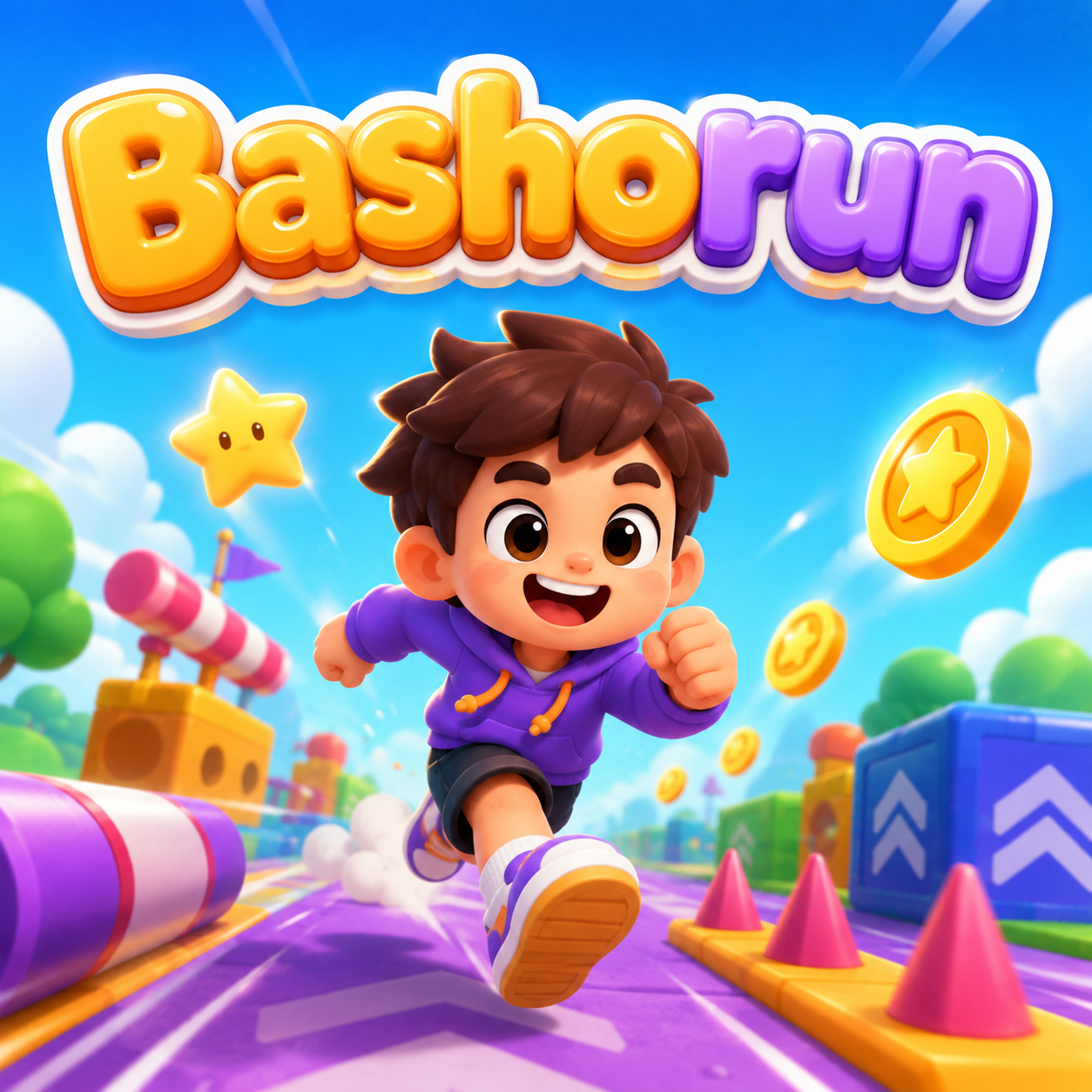 Action
Bashorun
Play now Brain
BrainCar Physics
Play now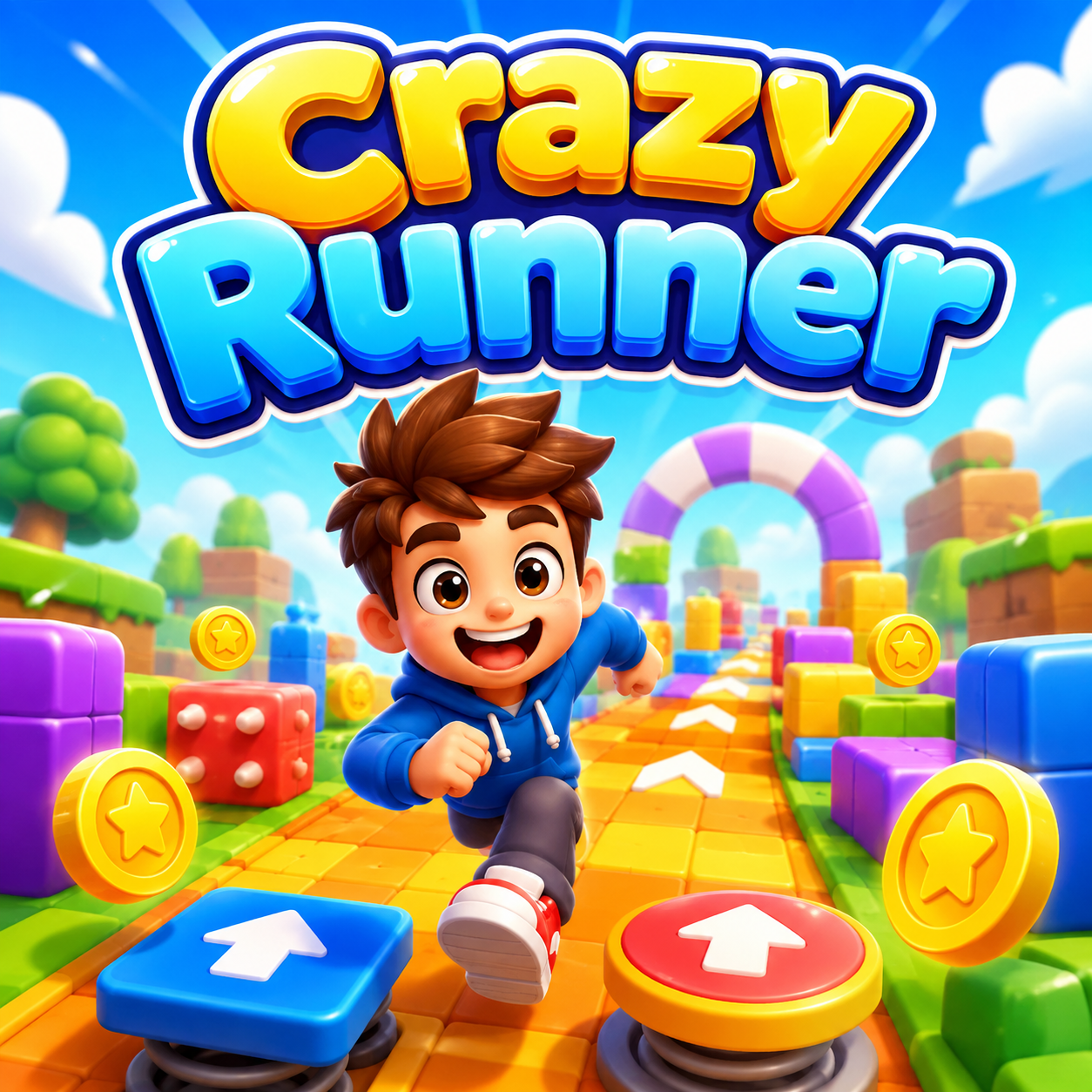 Jumping
Crazy Runner
Play now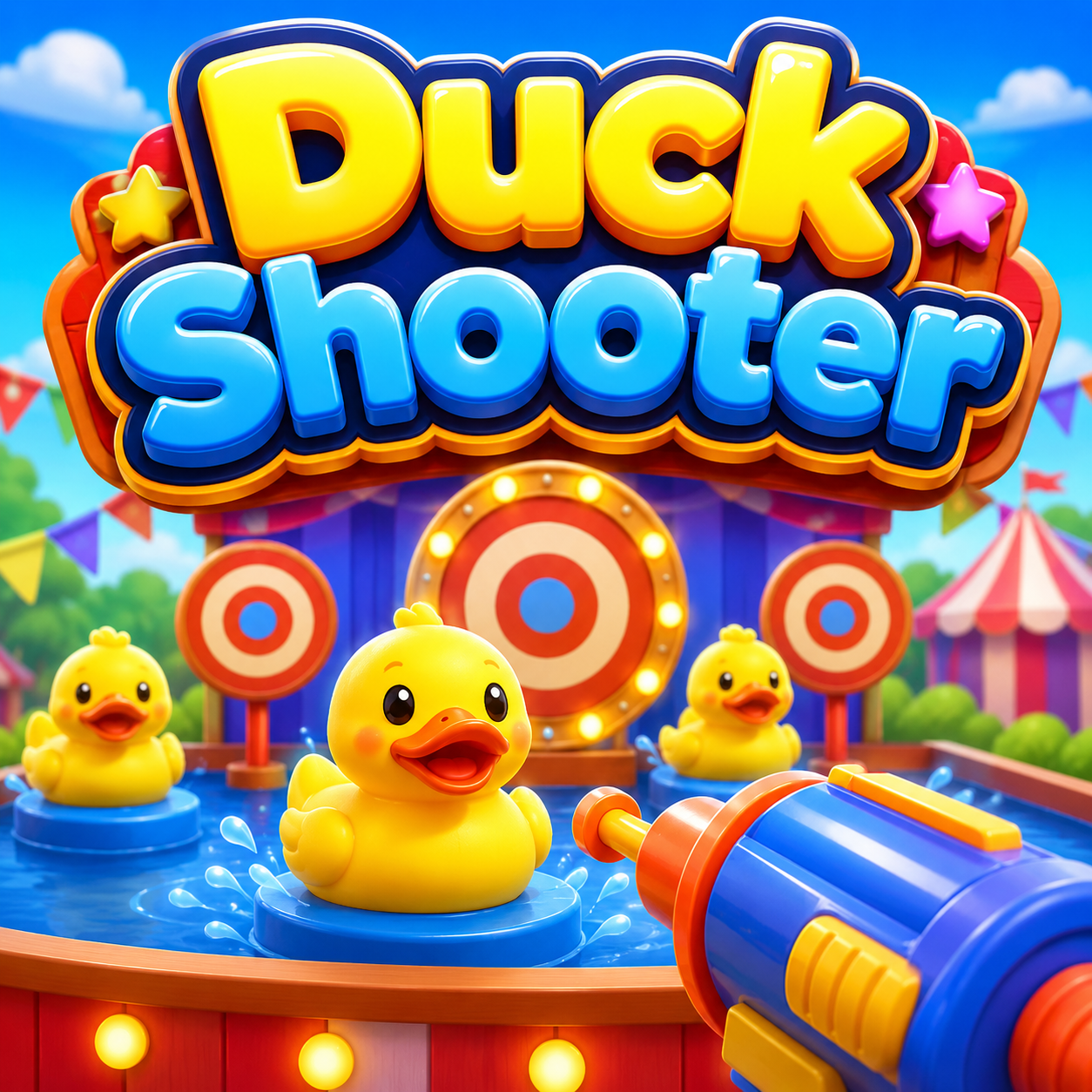 Shooting
Duck Shooter
Play now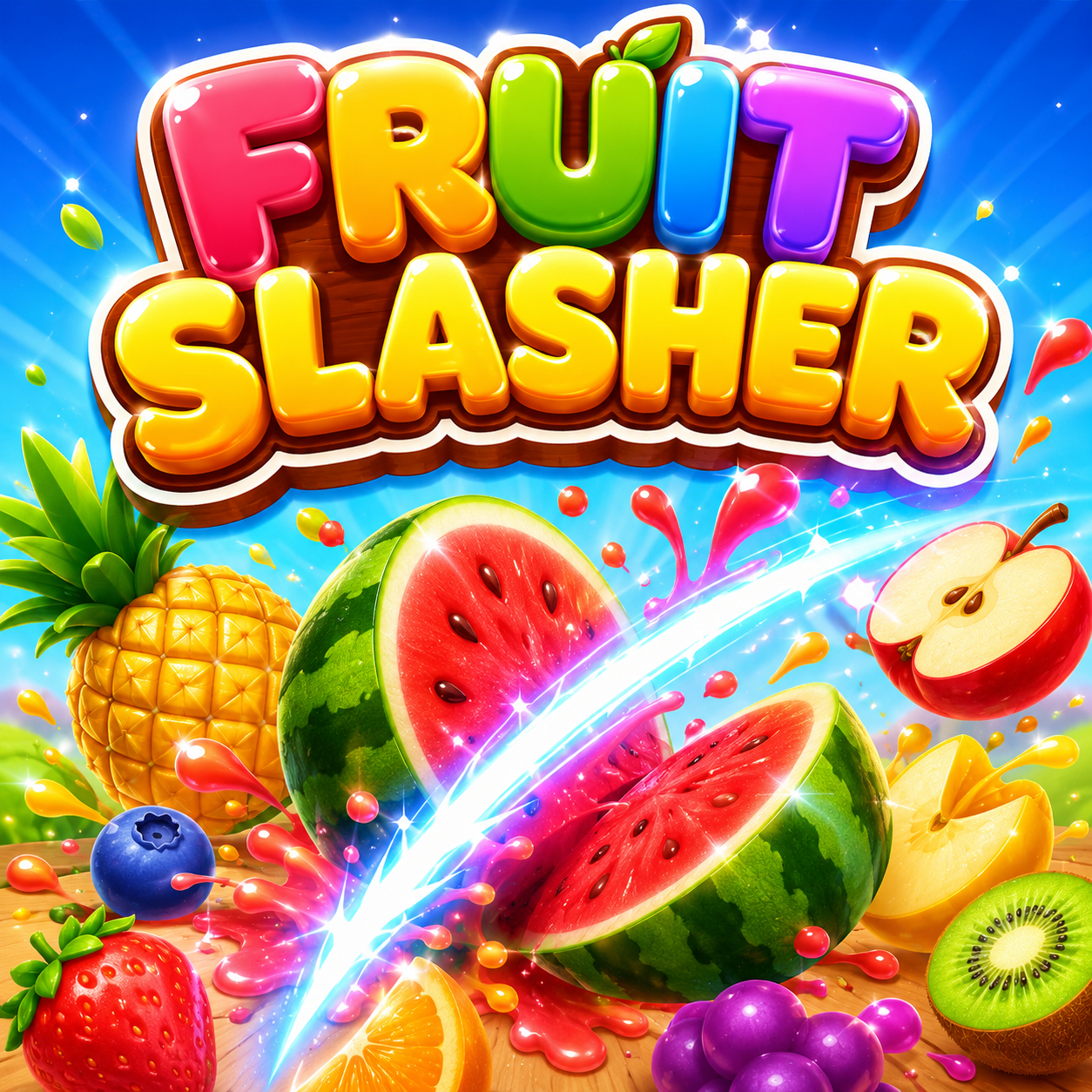 Arcade
Fruit Slasher
Play now Adventure
Gold Miner
Play now Kids
KidsKids True Color
Play now Brain
BrainMath Game For Kids
Play now Action
Ninja Run New
Play now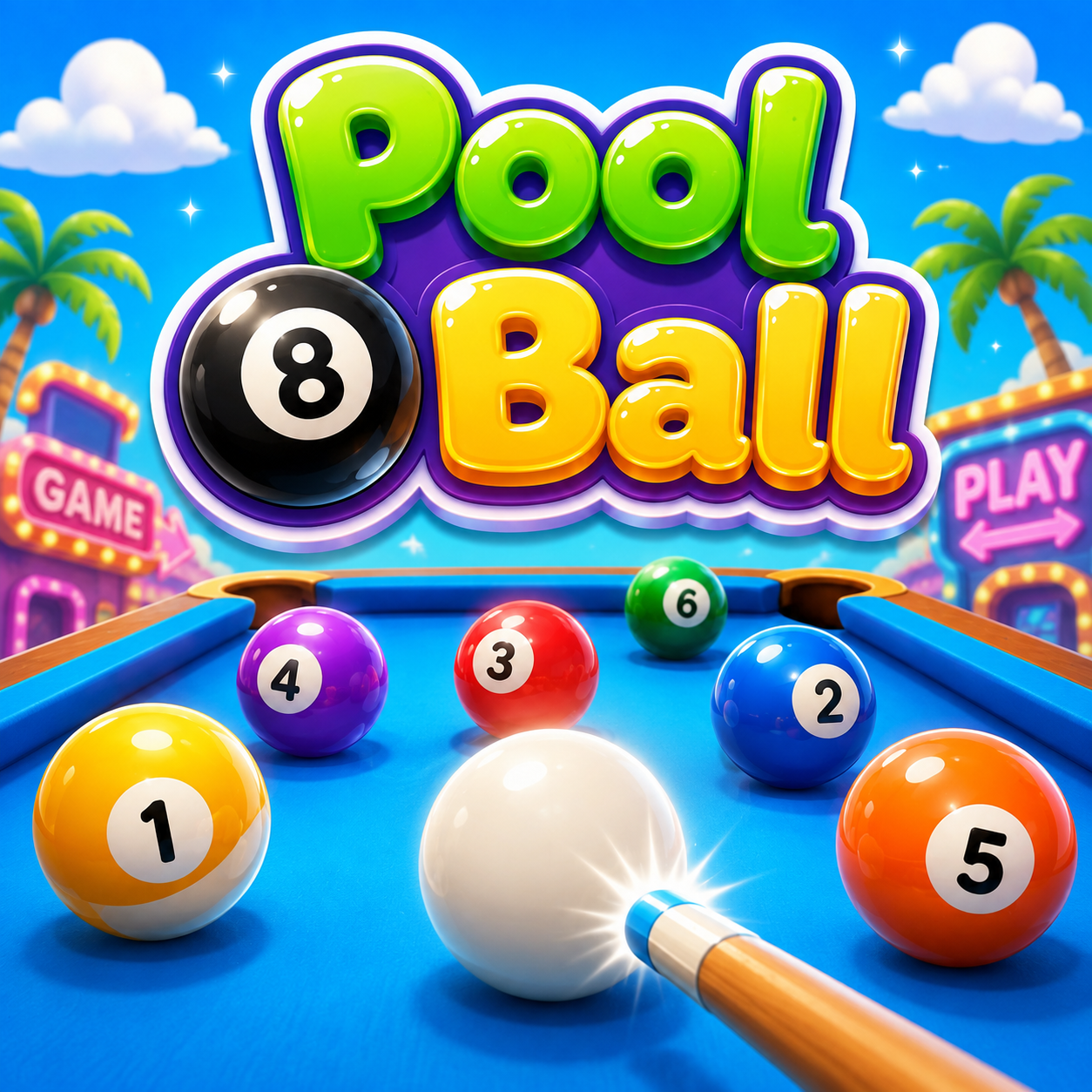 Sports
Pool 8 Ball
Play now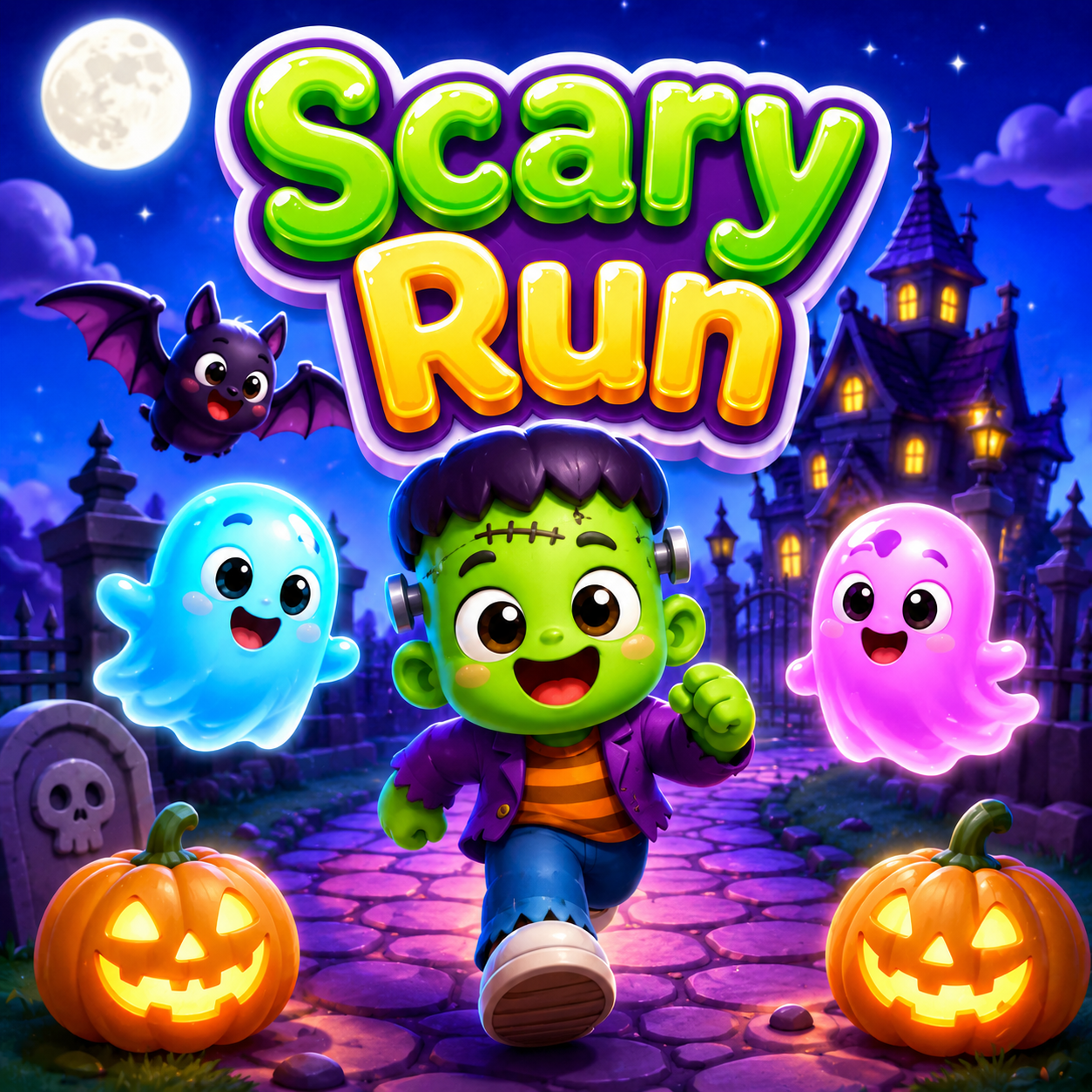 Horror
Scary Run
Play now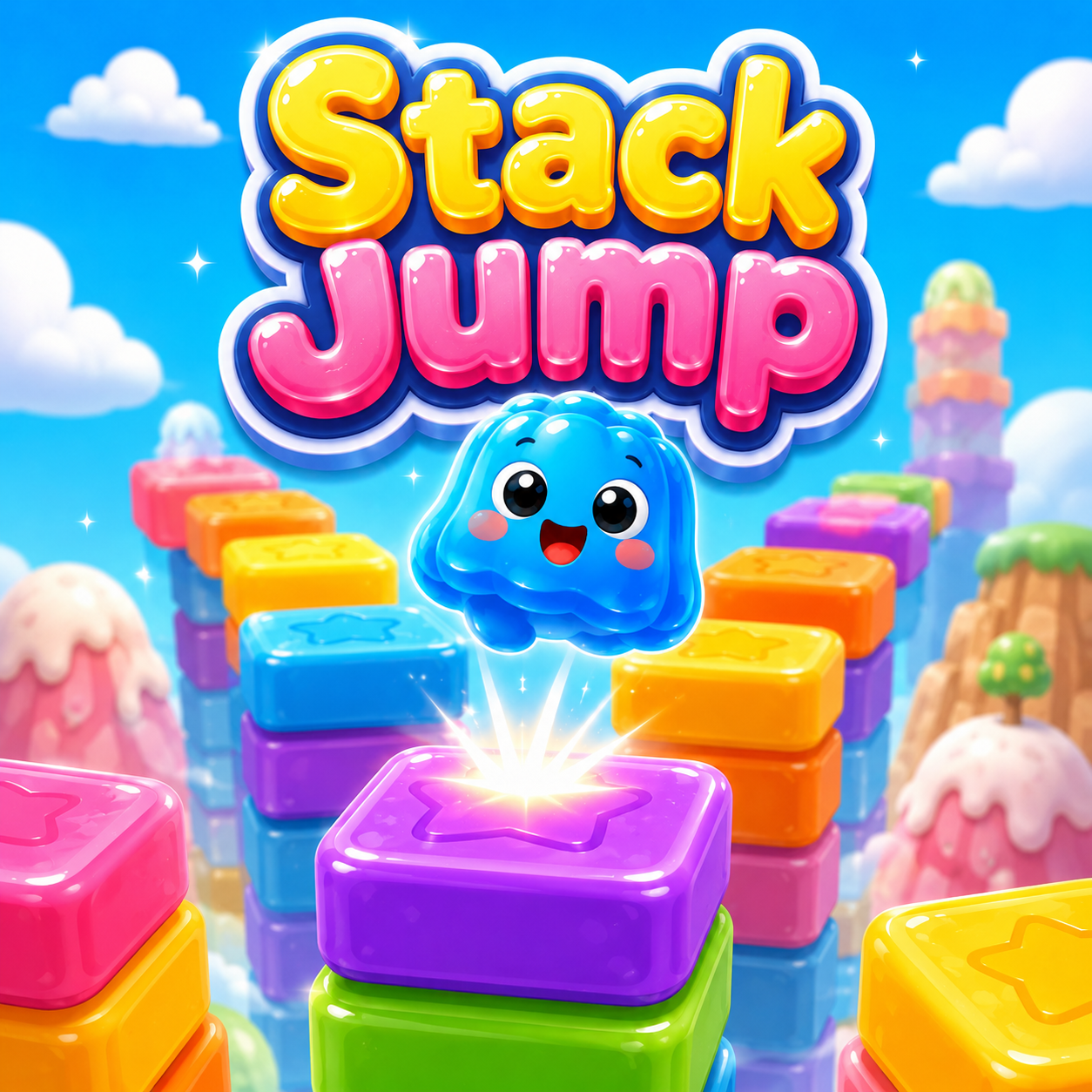 Jumping
Stack Jump
Play now Jumping
Stick Panda
Play now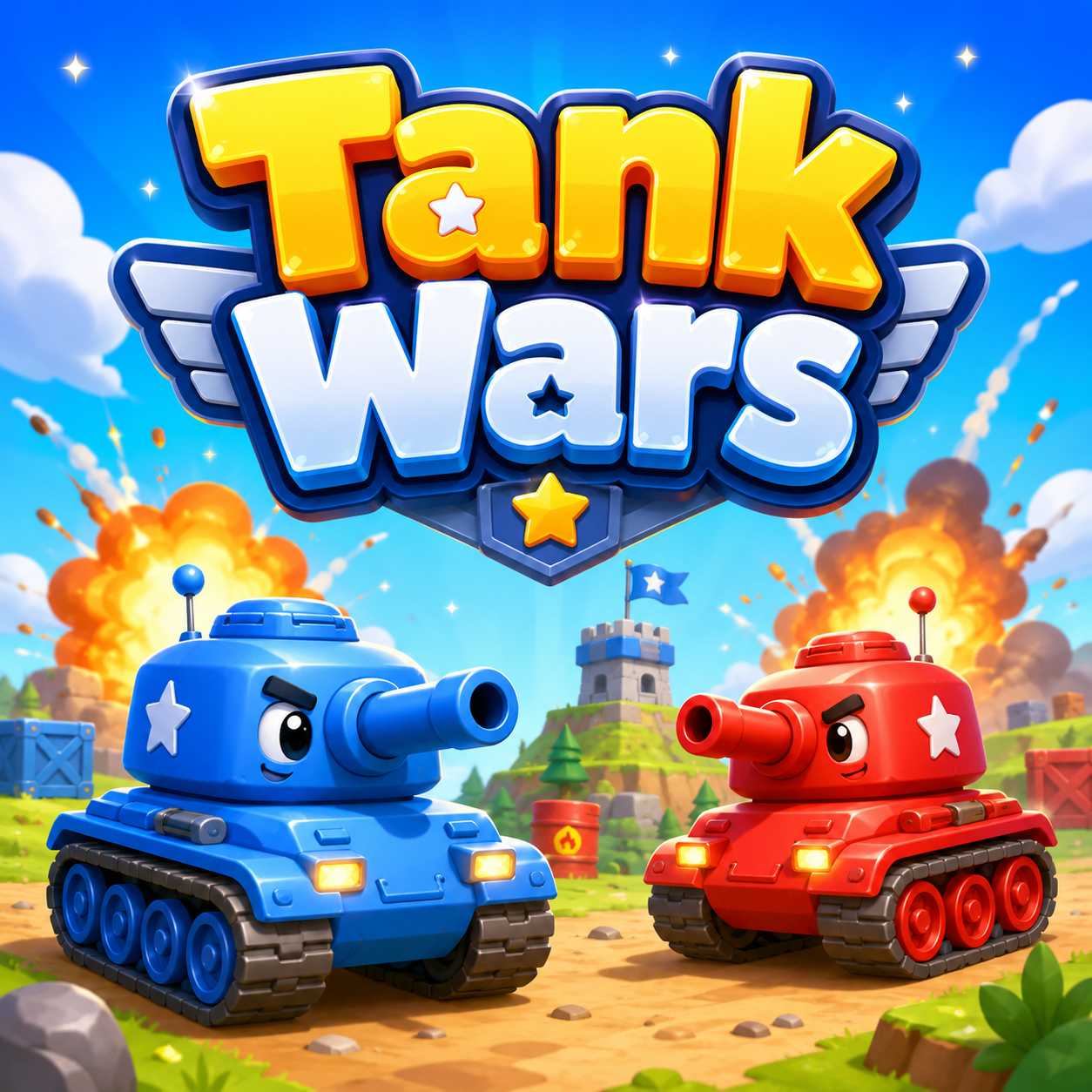 Shooting
Tank Wars
Play now Skill
SkillTouch Ball
Play now Driving
Traffic Racer
Play now Adventure
Viking Escape
Play now Kids
KidsChristmas Balloons
Play now Action
Crazy Car
Play now Shooting
Duck Hunter
Play now Arcade
Flappy Ball
Play now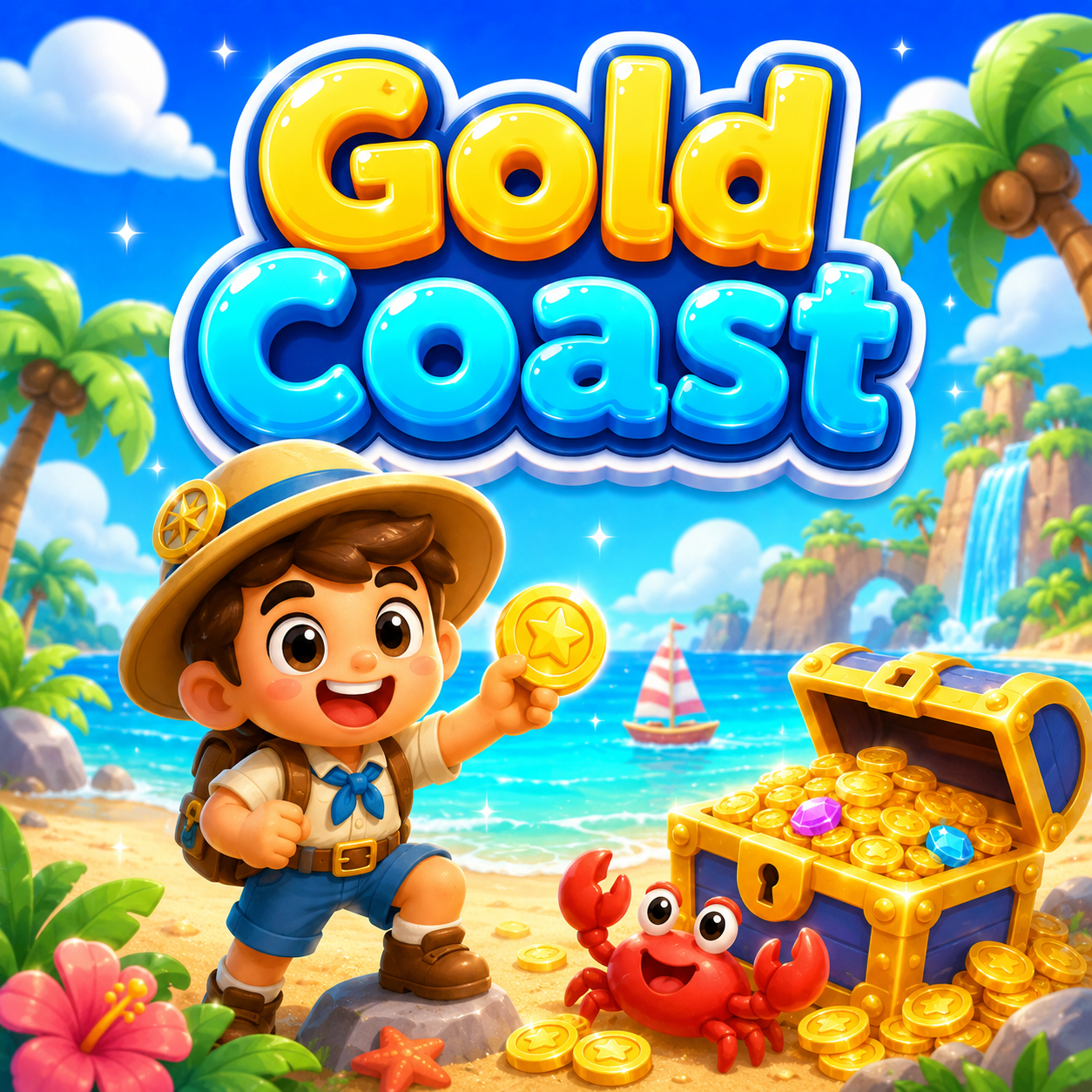 Adventure
Gold Coast
Play now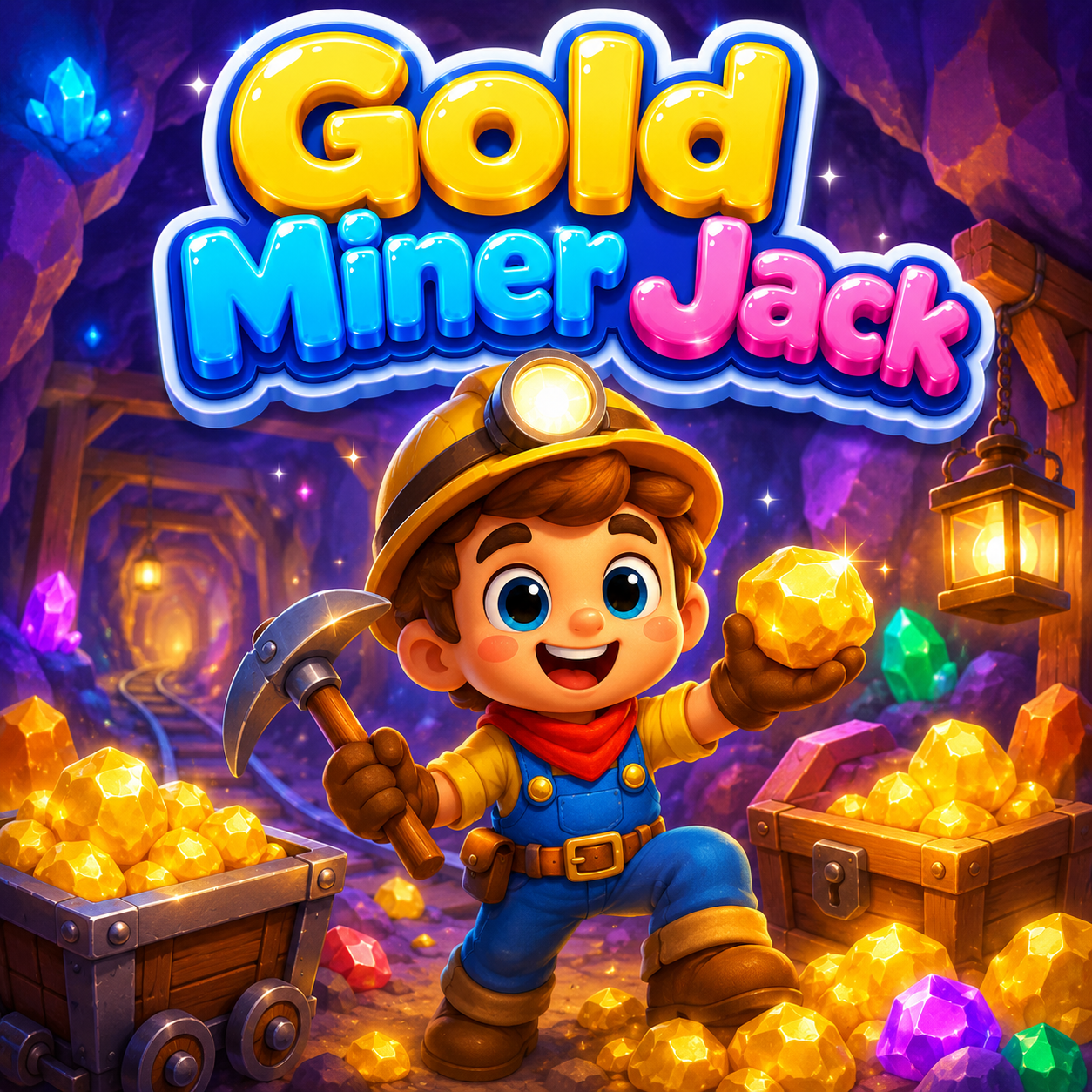 Adventure
Gold Miner Jack
Play now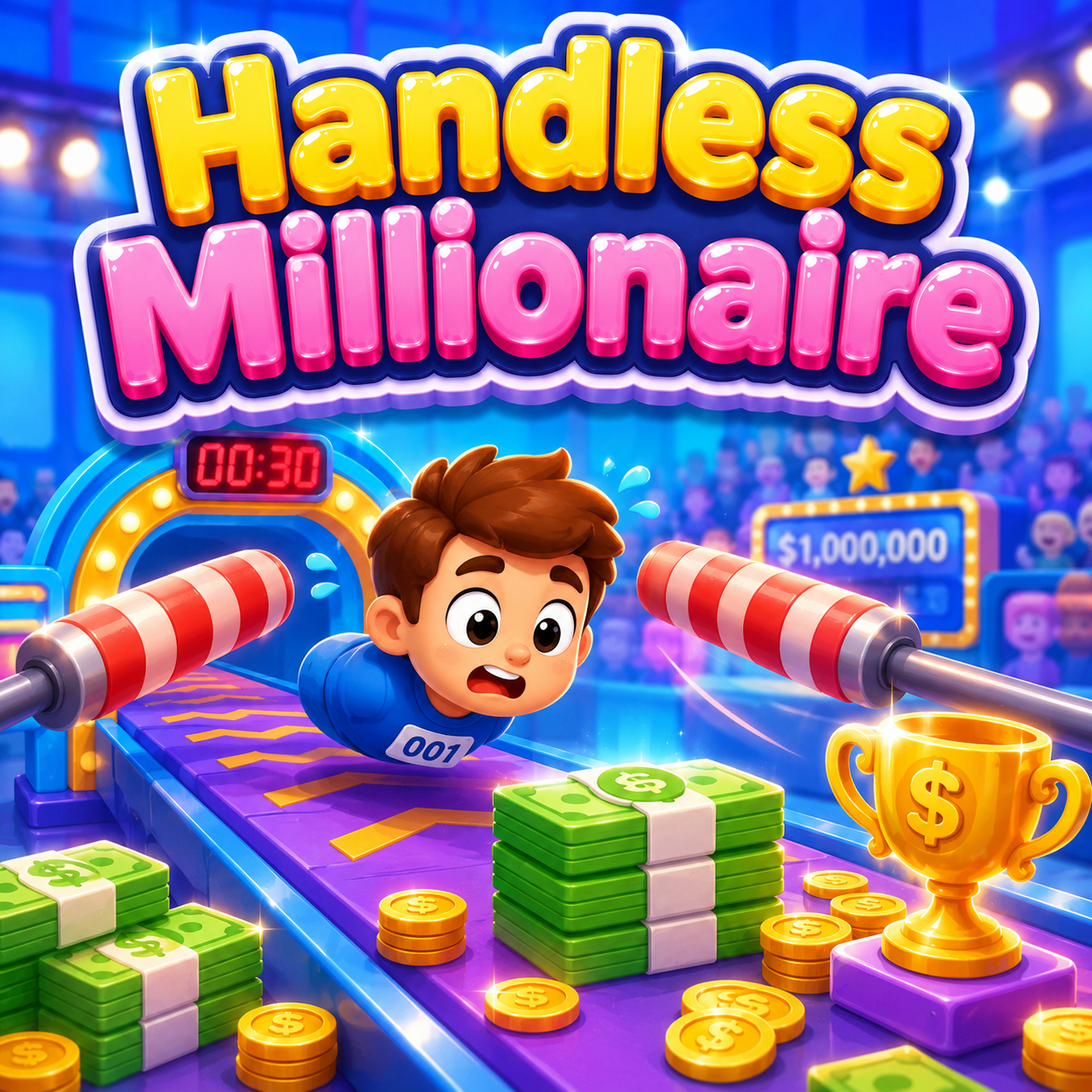 Skill
SkillHandless Millionaire
Play now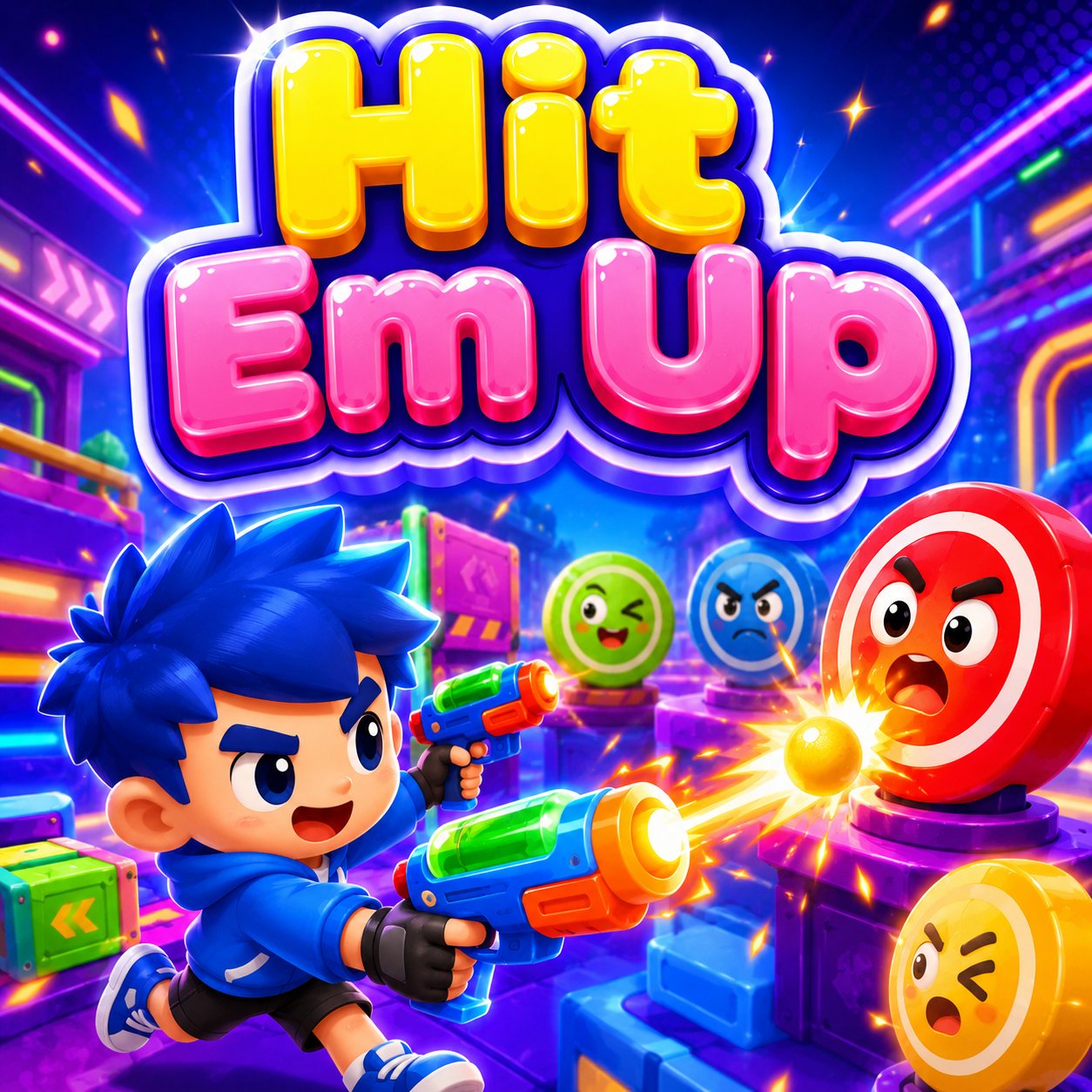 Action
Hit Em Up
Play now Action
Jago
Play now Adventure
Mad Fish
Play now Action
Mad Shark
Play now Brain
BrainMath Game For Kids
Play now Action
Ninja Run
Play now Puzzle
Plumber
Play now Sports
Pops Billiards
Play now Casual
Quick Dice
Play now Brain
BrainRobotex
Play now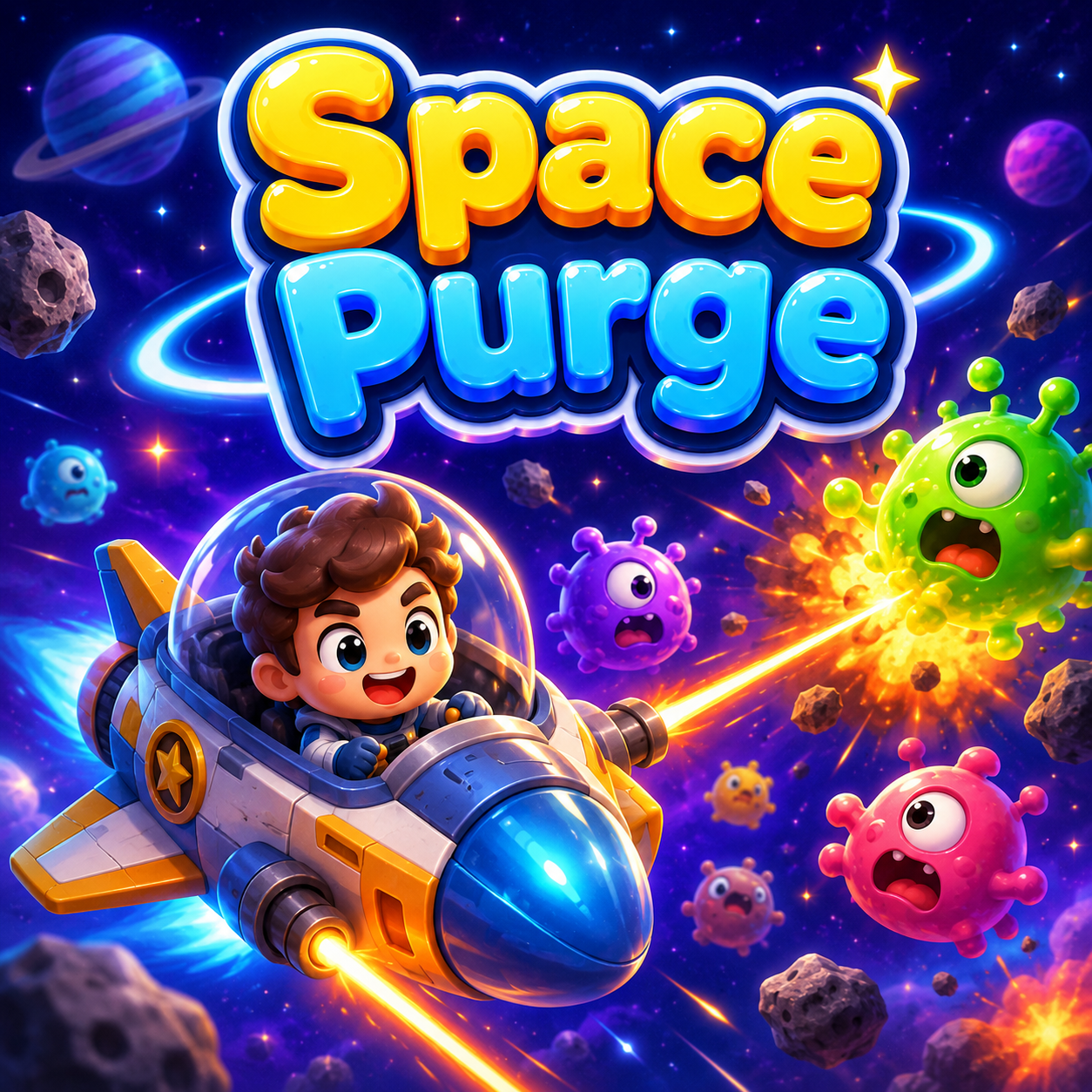 Shooting
Space Purge
Play now Racing
Speed Racer
Play now Driving
Speed Racer2
Play now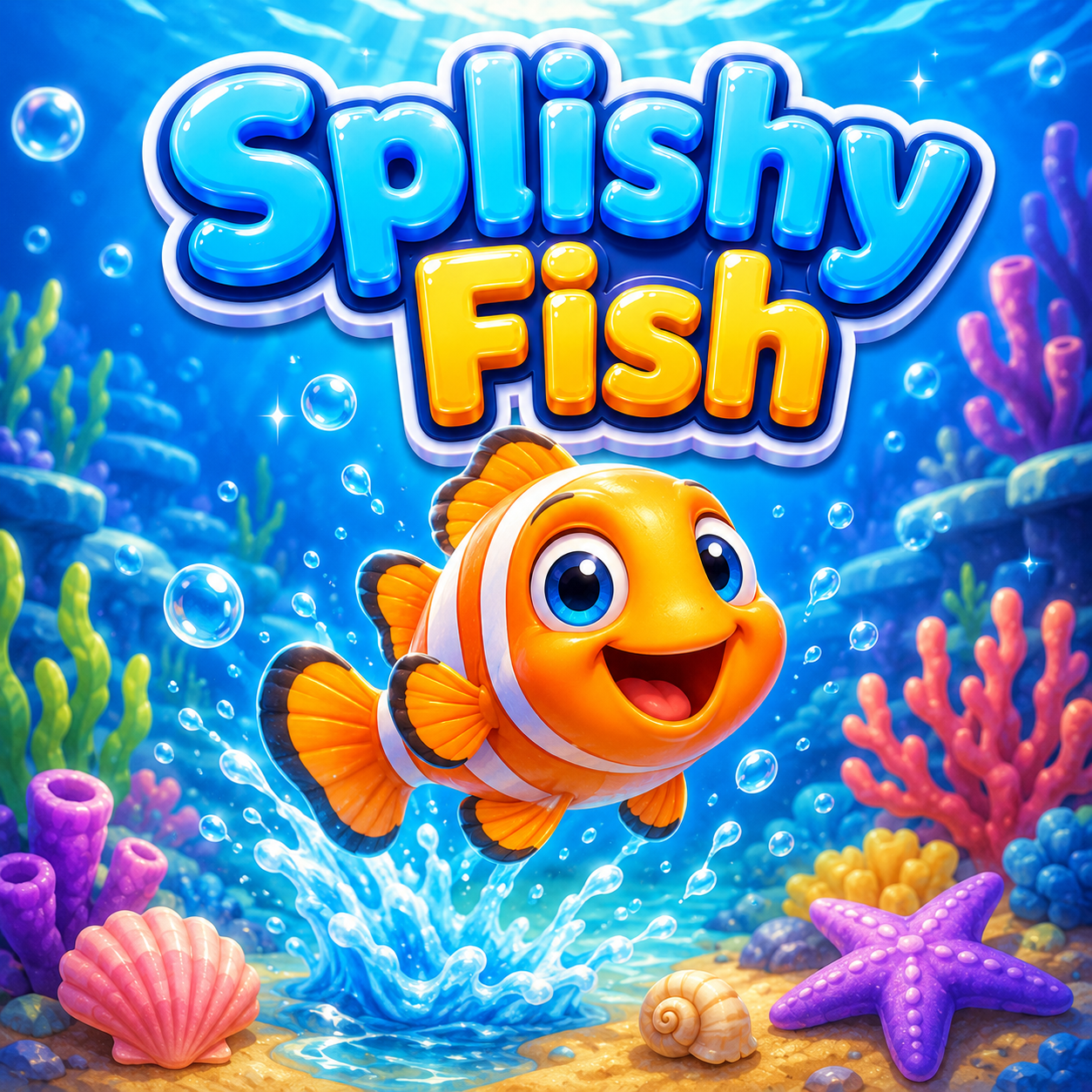 Skill
SkillSplishy Fish
Play now Jumping
Stick Monkey
Play now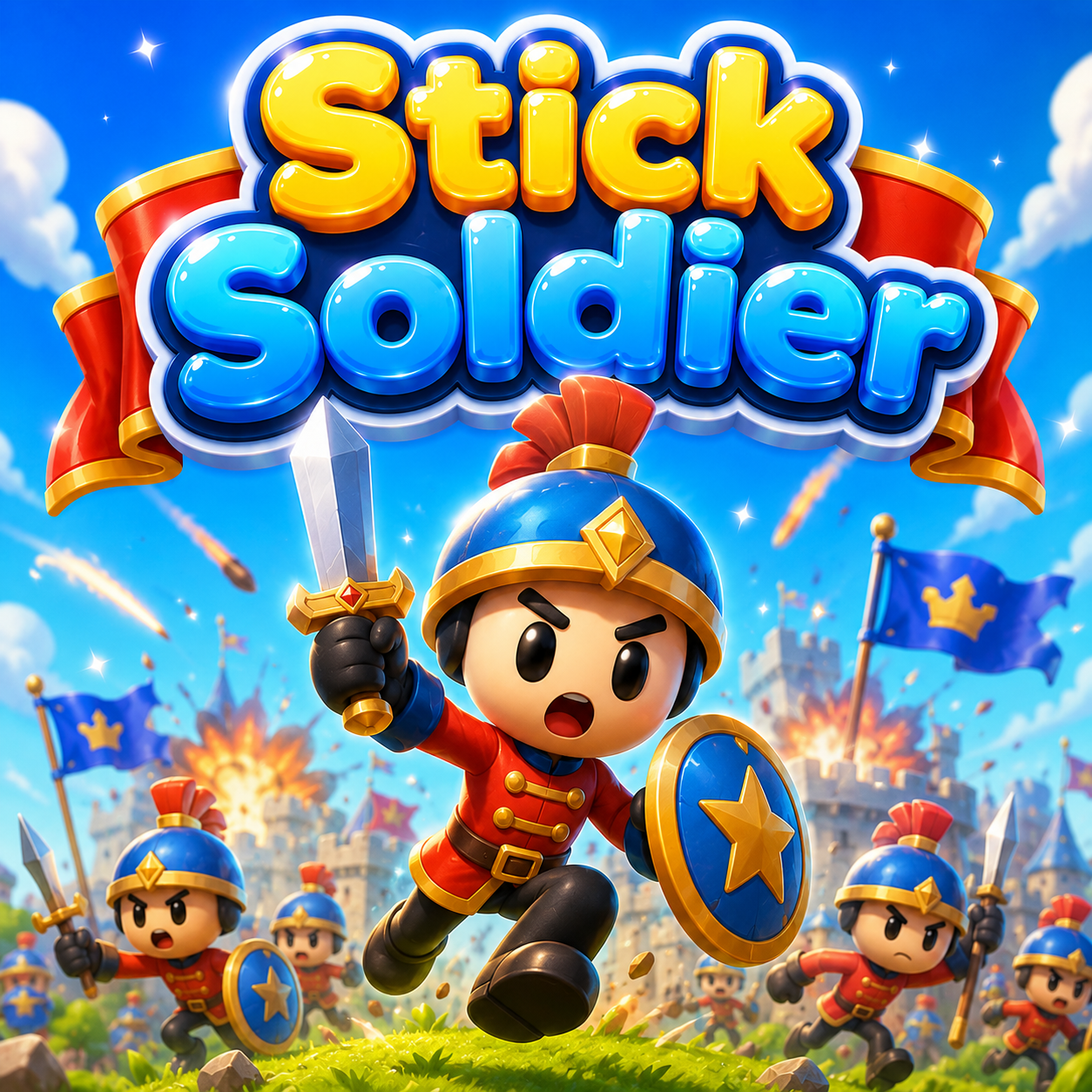 Skill
SkillStick Soldier
Play now Jumping
Super Cowboy Run
Play now Sports
Super PonGoal
Play now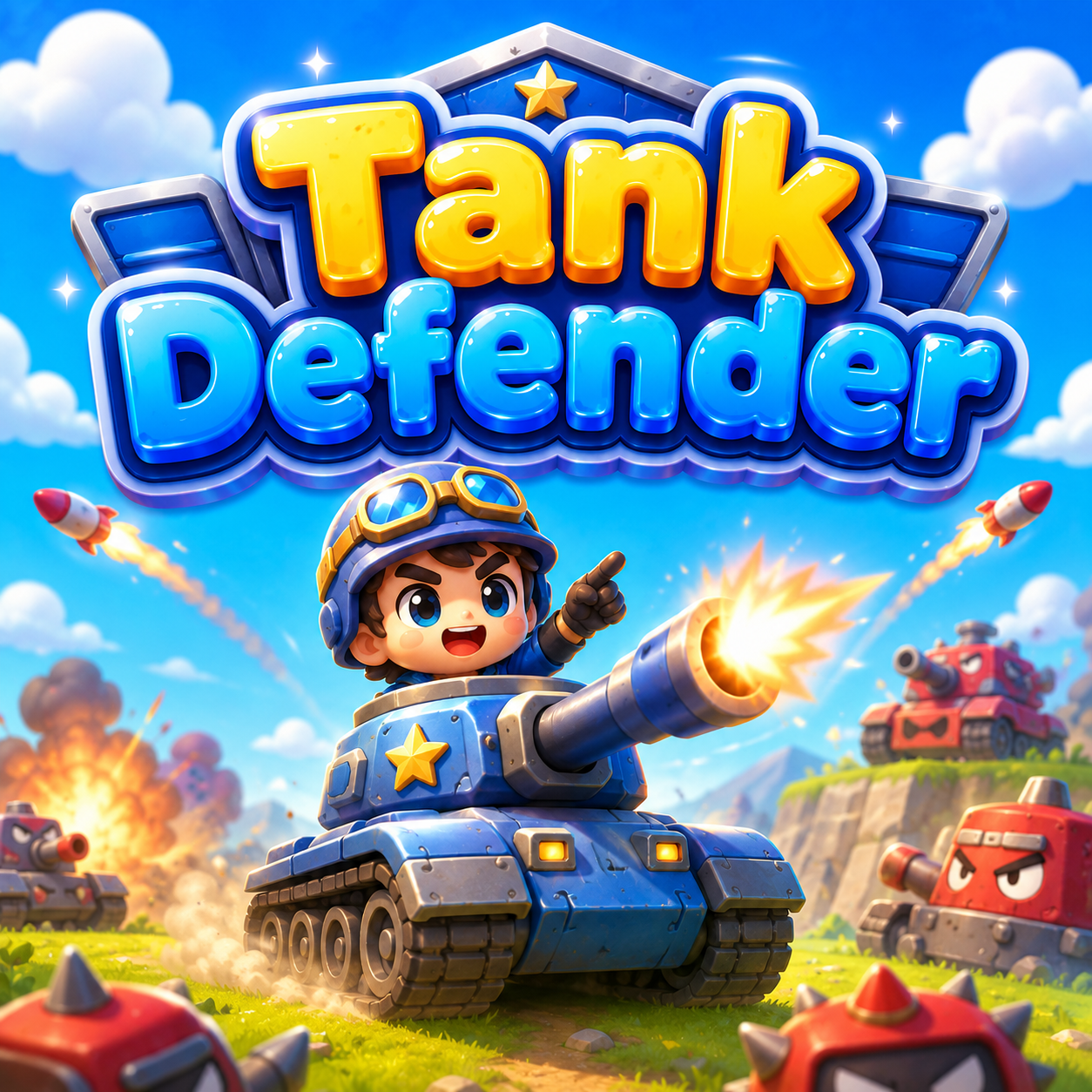 Shooting
Tank Defender
Play now Driving
Traffic
Play now Action
Warriors VS Evil Spirits
Play nowSkill games
This label is broad enough to have become the biggest shelf on the site, for a simple reason: almost every game that punishes a mistimed input picks it up, whether it is a runner, a shooter or a pool table. So arriving here and scrolling card by card wastes time. The better move is to know what you want your hands doing right now and go straight to that group. We split the fifty titles three ways by the kind of control they ask for.
First: land a single press on time
This is the largest group — games that want one press at the right moment. Flappy Ball taps a ball aloft; runners like Ninja Run and Stick Panda want a single well-timed jump; Stack Jump wants you to judge height. The thing this group does better than any other is that you press restart before your brain has decided to — designers know that reflex and lean on it fully. If you are new, this group is the fastest to understand.
Second: aim and release with precision
This group measures accuracy rather than speed. Gold Miner and Gold Miner Jack time a hook drop to catch things as they swing past; Robotex asks you to set a direction before each release. The cue tables and the slingshot games belong to this group too, but their detail we keep for the sports and fun shelves. The aiming group gives you more time to think before you let go than the first, so mistakes come from misjudging power or angle rather than pressing late.
Third: hold continuous control
This group asks for sustained control instead of a single press. Fruit Snake has you steer a snake that keeps growing; Car Physics wants balance held the whole way; some defence shooters need the aim moved constantly. This group tires you more than the first two because there is no beat to rest on, but it gives the fullest sense of being in command of the game.
If you still cannot choose
We have gathered the one-handed games from this shelf into the one-handed set. Start there if you want a title you can play with a single finger right away.
Common questions about the skill shelf
Why does this shelf have so many games?
Because the skill label attaches to almost any game that needs a press landed on time, so a single game sits on this shelf and on its own genre shelf at once. This shelf is effectively an overview of every game of manual skill on the site.
Which group suits a beginner?
The single-press group, because there is one button and it makes sense in the first second. The aiming and continuous-control groups take longer to settle into.
Do all groups play on a phone?
The single-press group plays best on a phone; some aiming games, like the pool tables, are more accurate with a mouse; the continuous-control group depends on the individual game.