 Viviana Arcade
 Action
Action games
27 games in this category
Action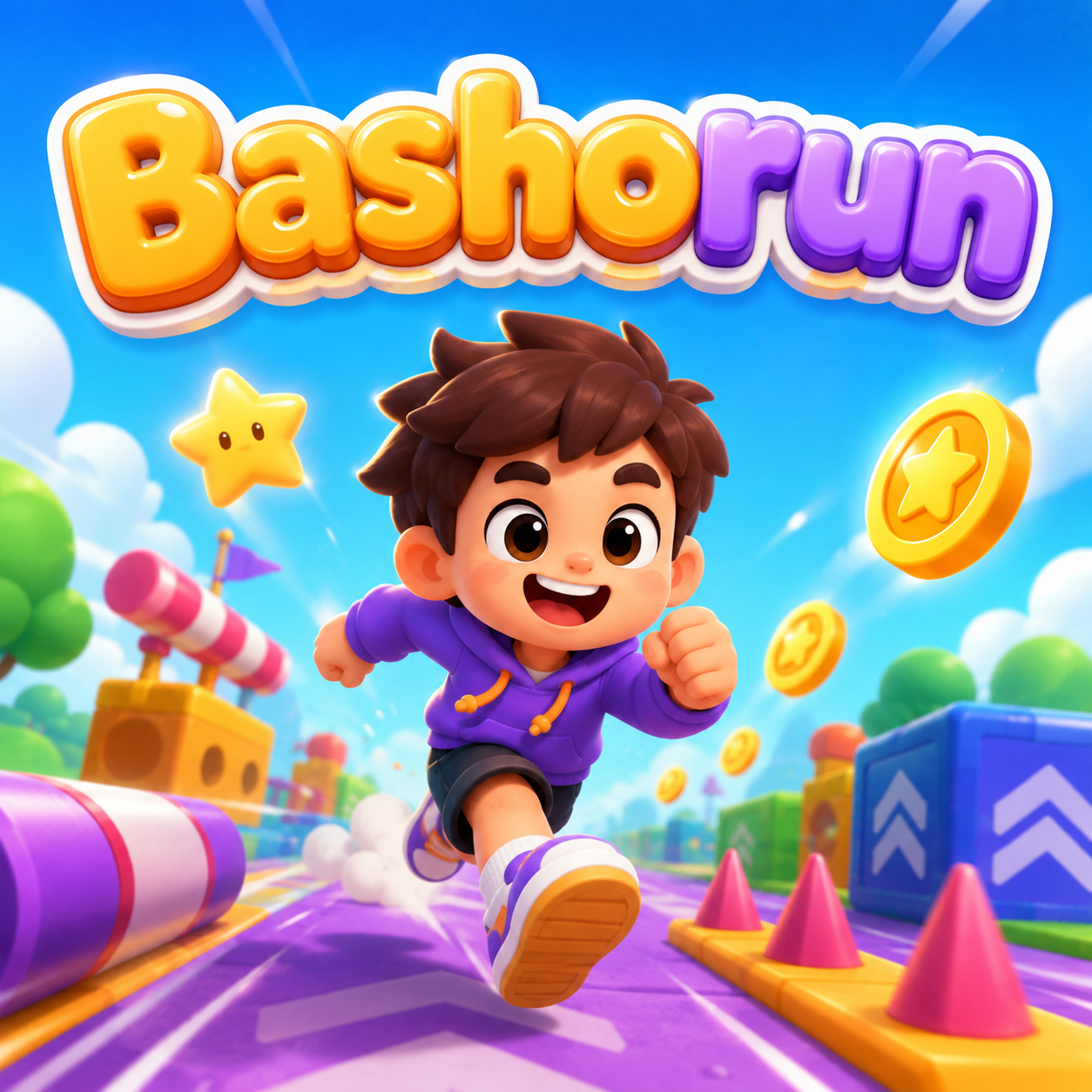 Action
Bashorun
Play now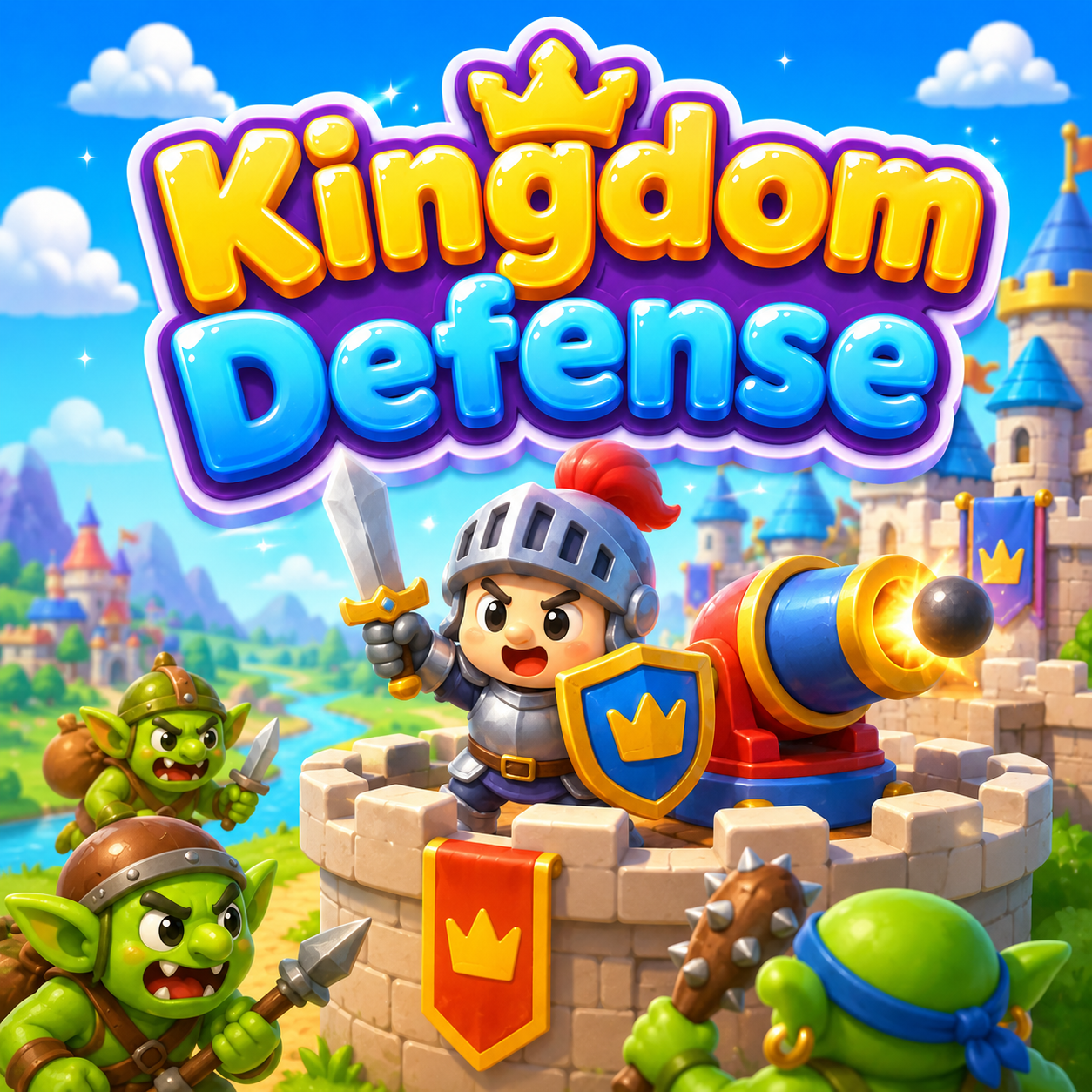 Strategy
Kingdom Defense
Play now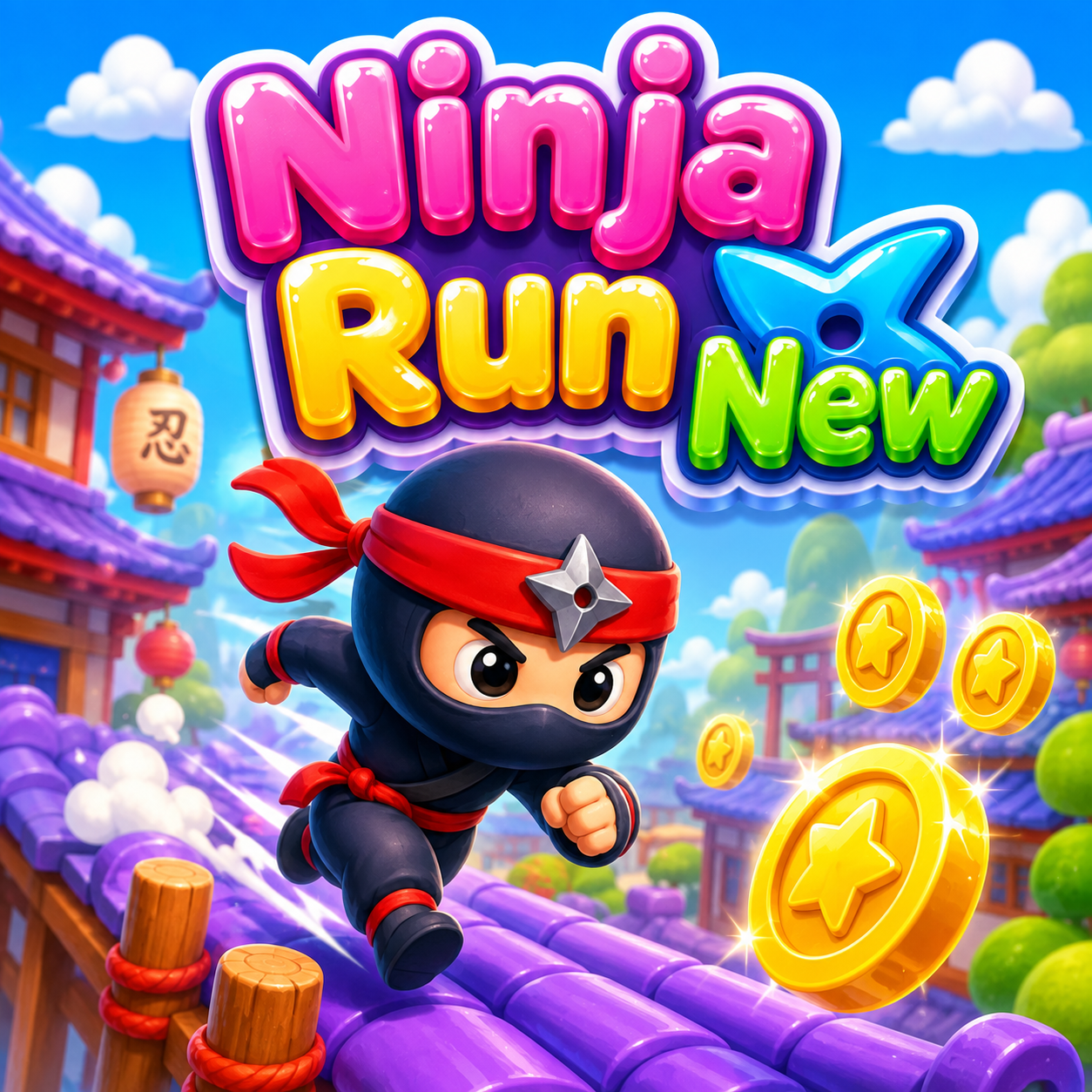 Action
Ninja Run New
Play now Shooting
Tank Wars
Play now Driving
Traffic Racer
Play now Adventure
Viking Escape
Play now Shooting
Zombie Shooter
Play now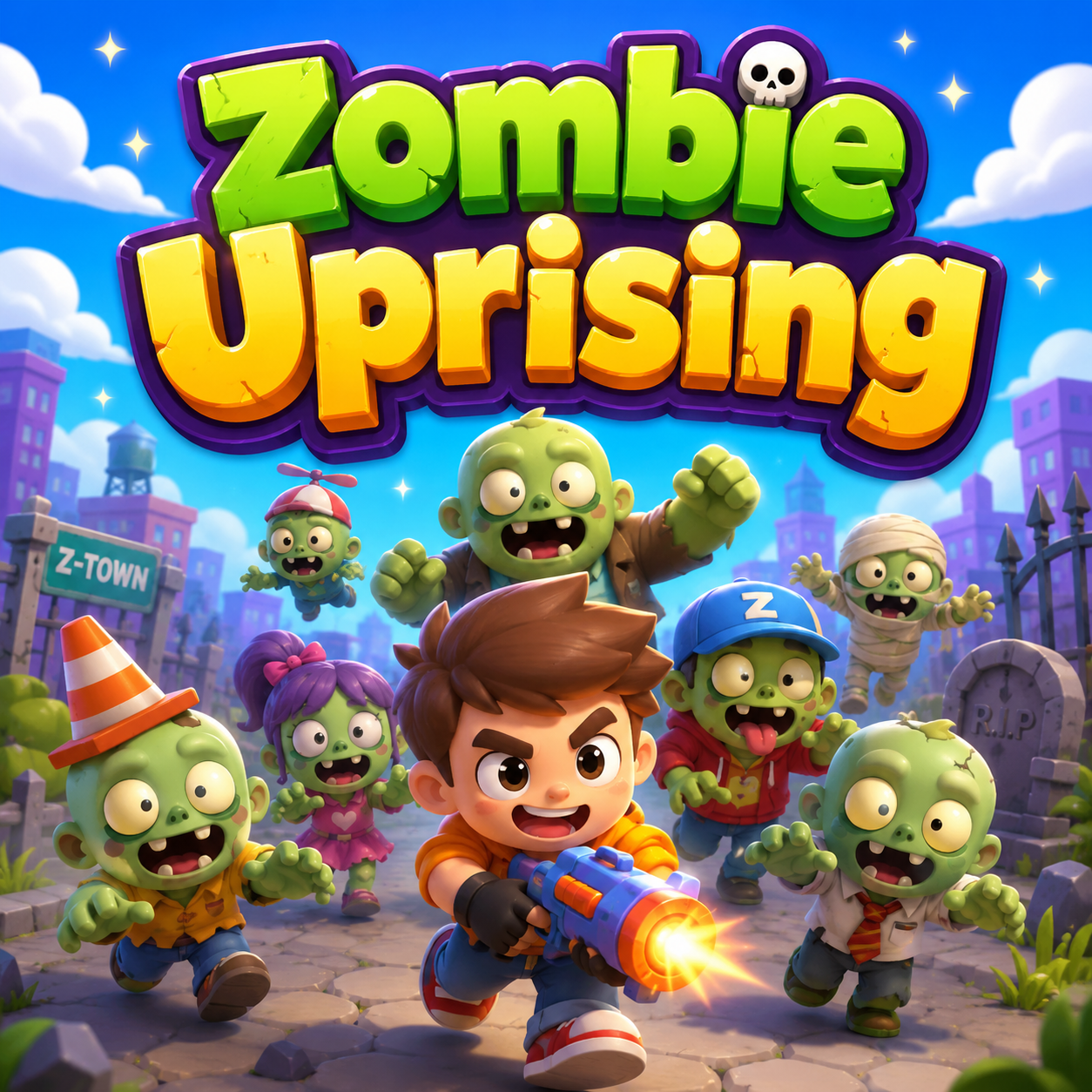 Shooting
Zombie Uprising
Play now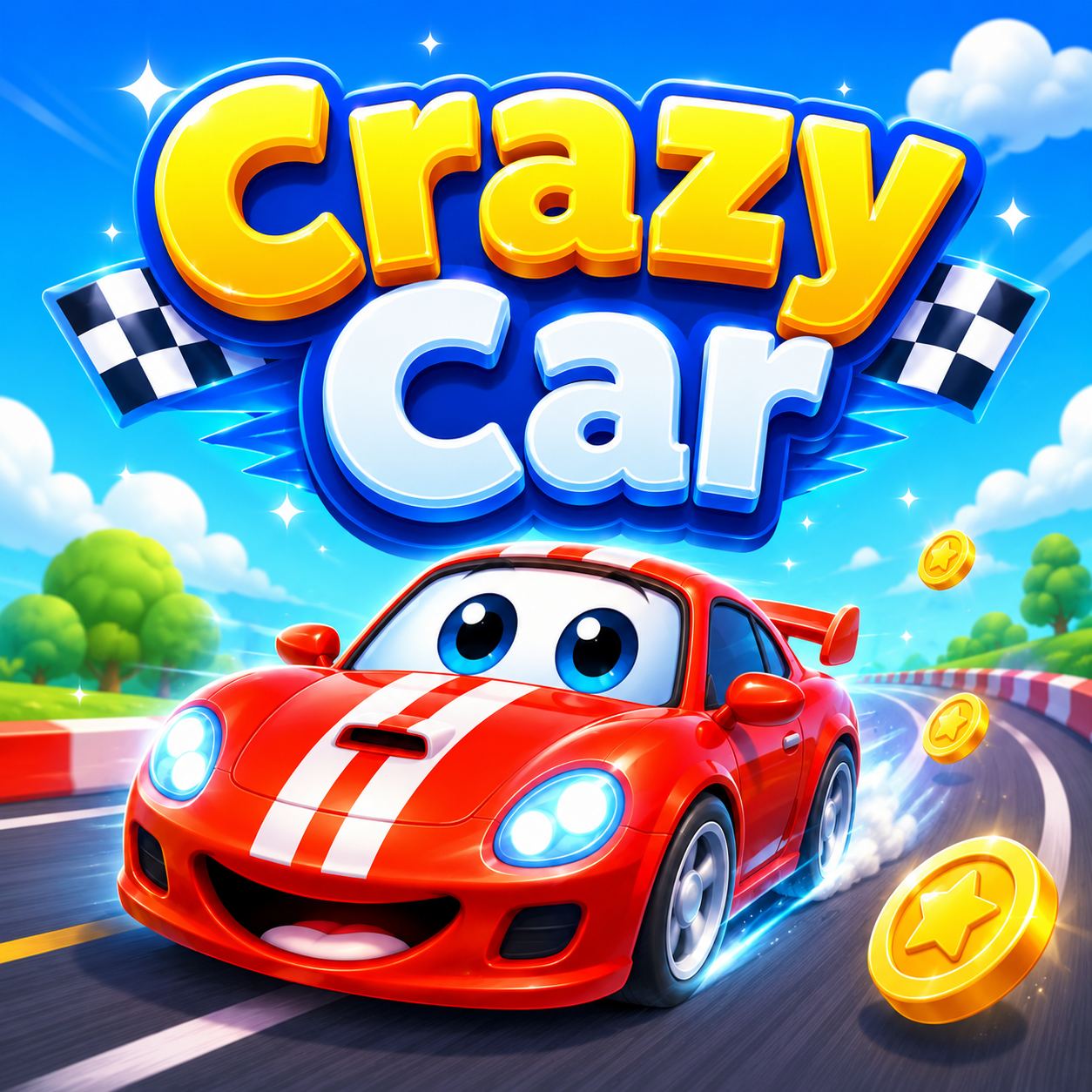 Action
Crazy Car
Play now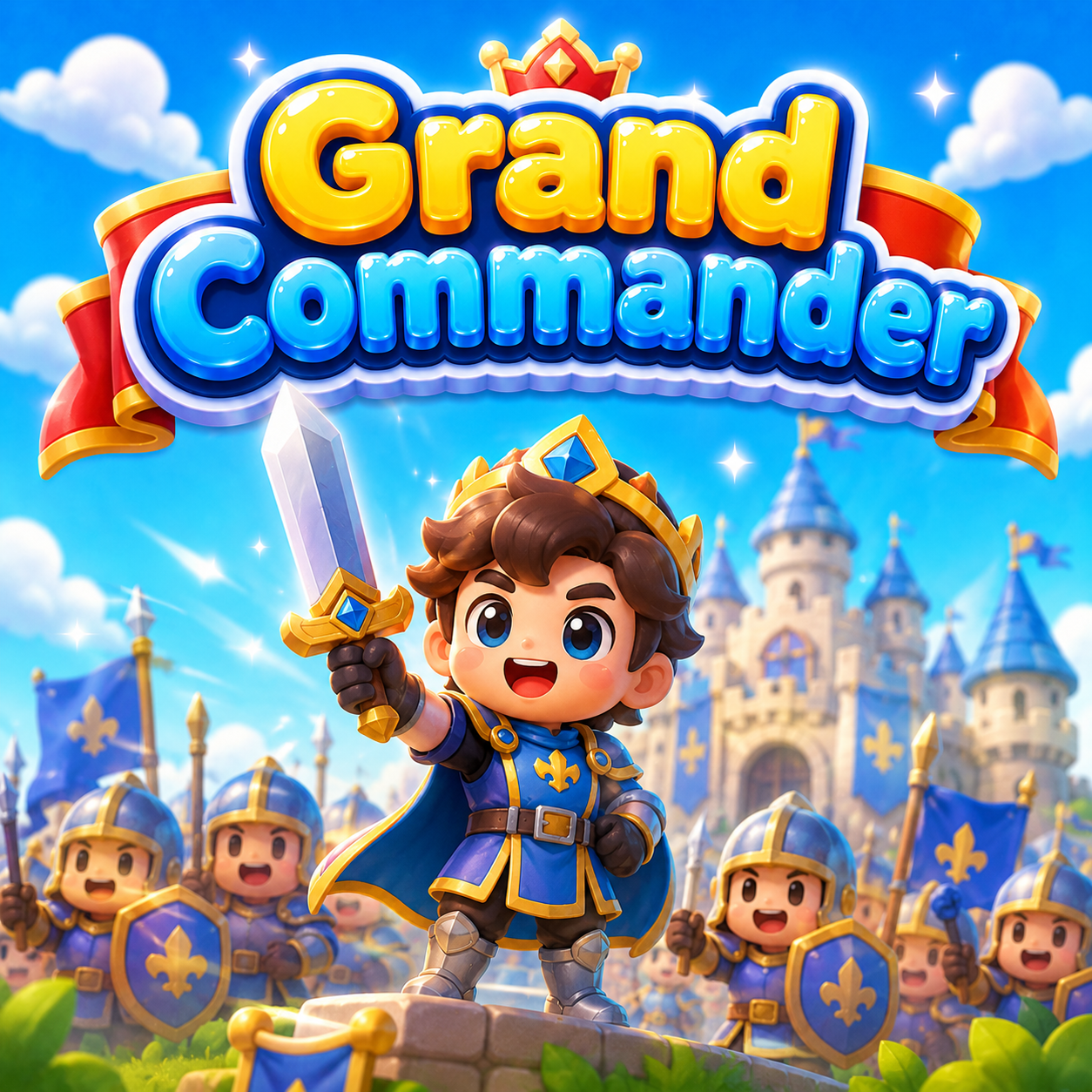 Strategy
Grand Commander
Play now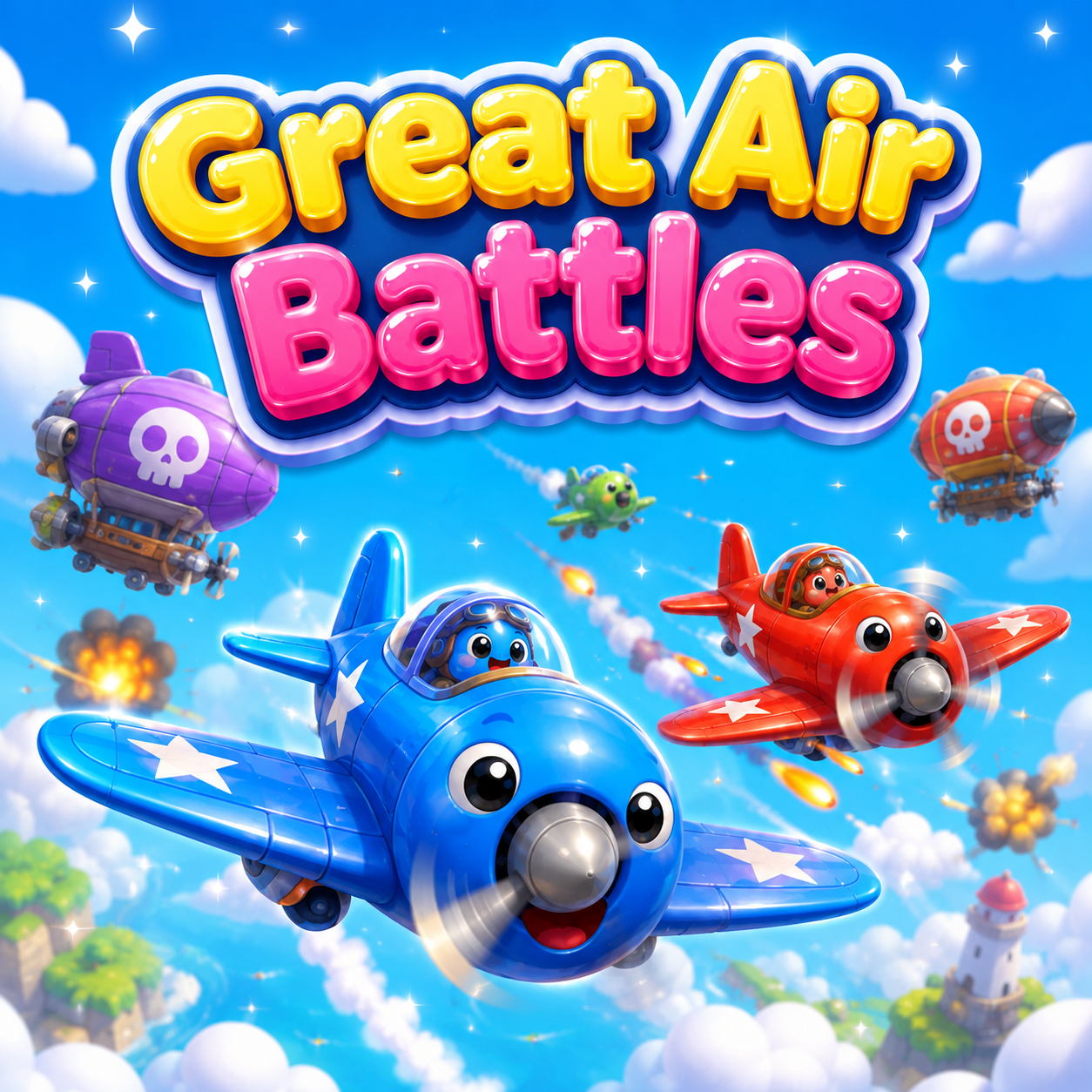 Action
Great Air Battles
Play now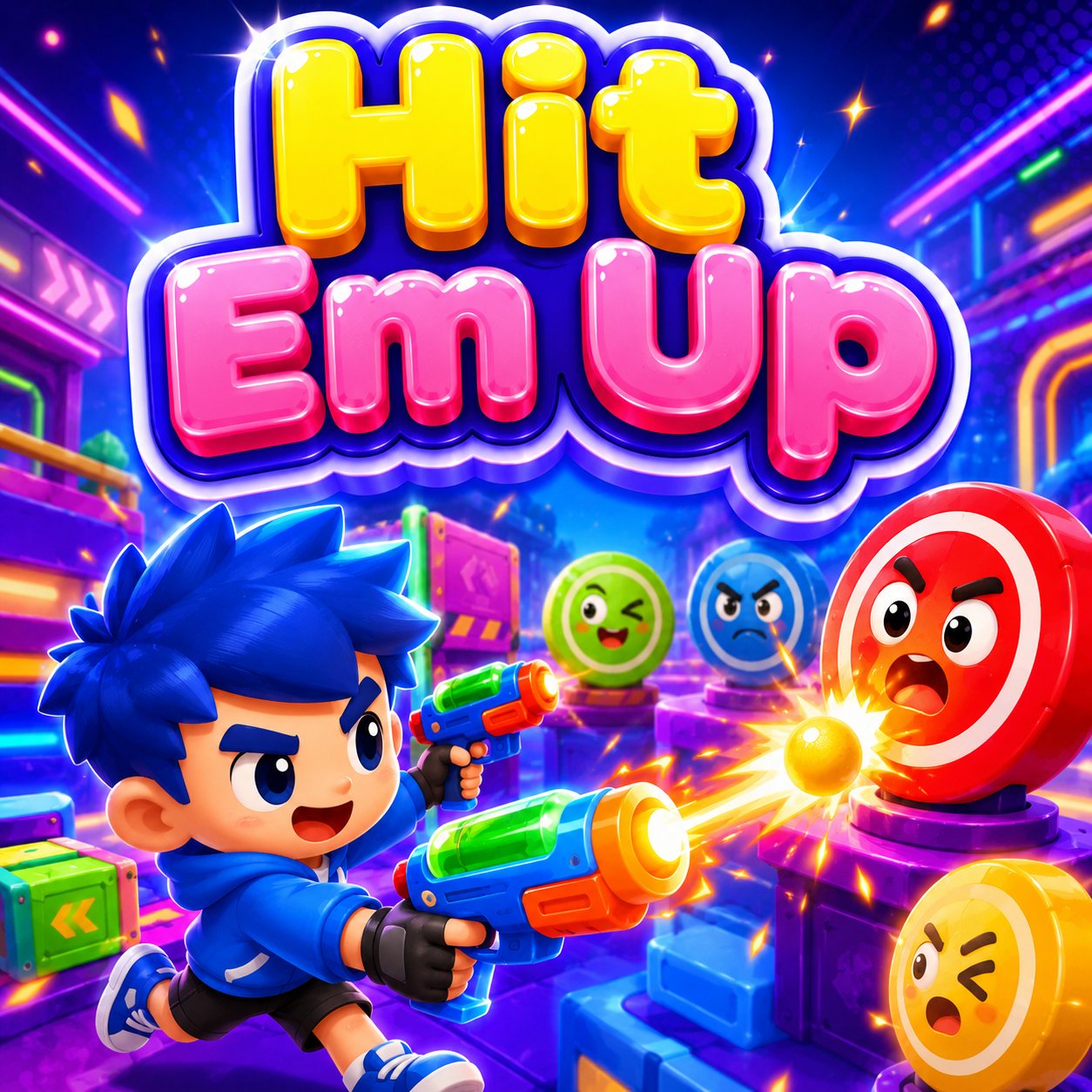 Action
Hit Em Up
Play now Action
Jago
Play now Action
Mad Shark
Play now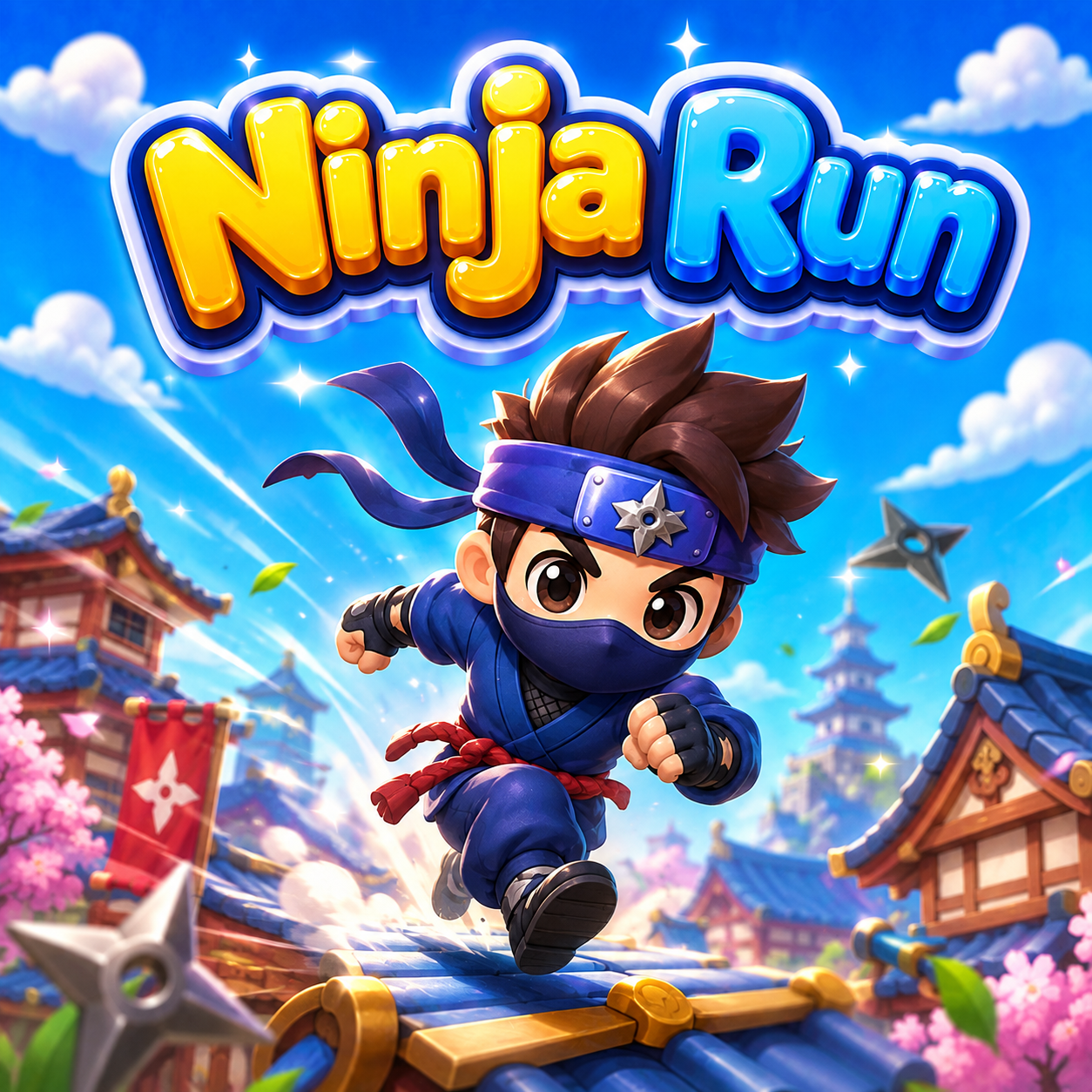 Action
Ninja Run
Play now Shooting
Ranger vs Zombies
Play now Action
Sahara Invasion
Play now Shooting
Shoot Robbers
Play now Shooting
Space Purge
Play now Racing
Speed Racer
Play now Driving
Speed Racer2
Play now Jumping
Super Cowboy Run
Play now Shooting
Swat vs Zombies
Play now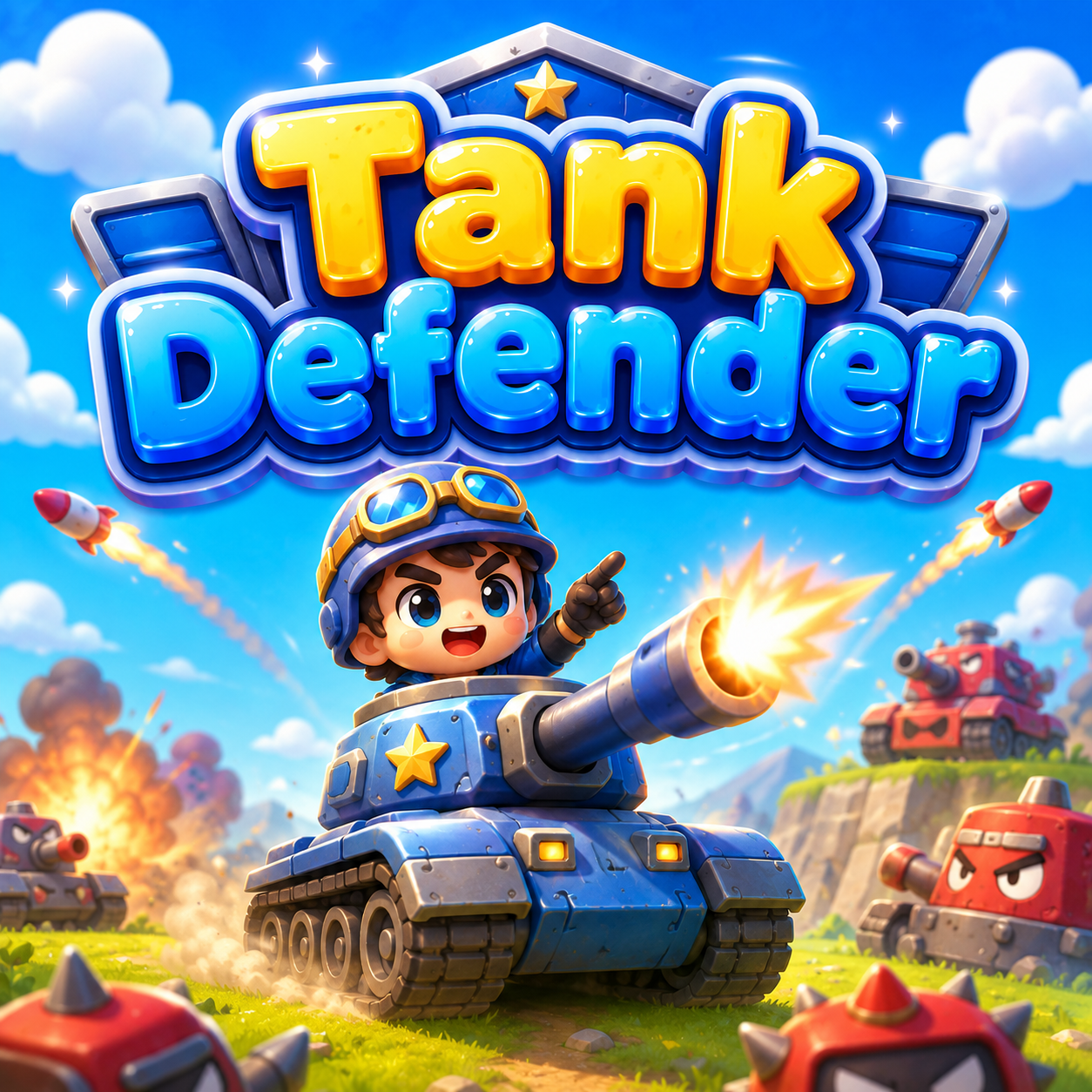 Shooting
Tank Defender
Play now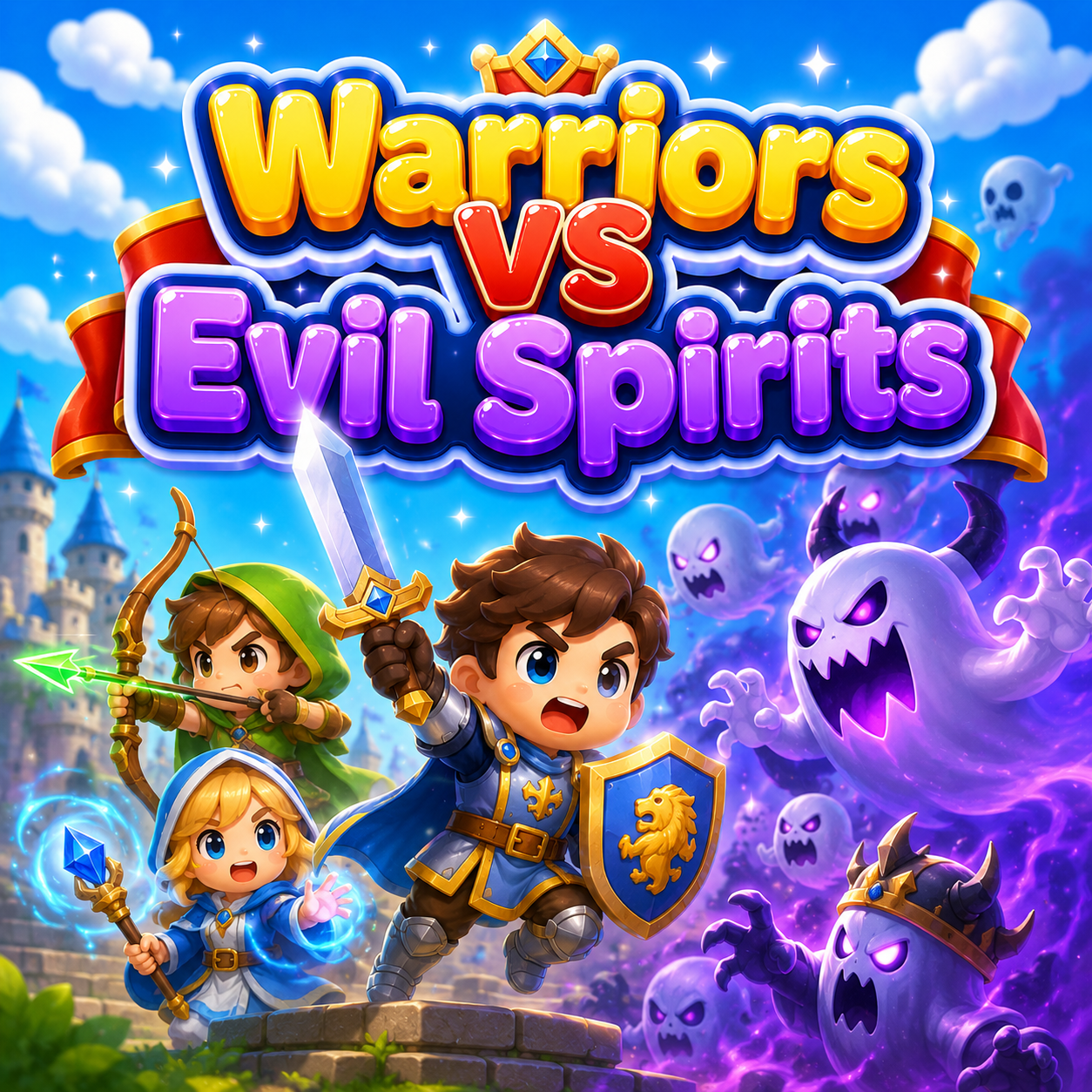 Action
Warriors VS Evil Spirits
Play now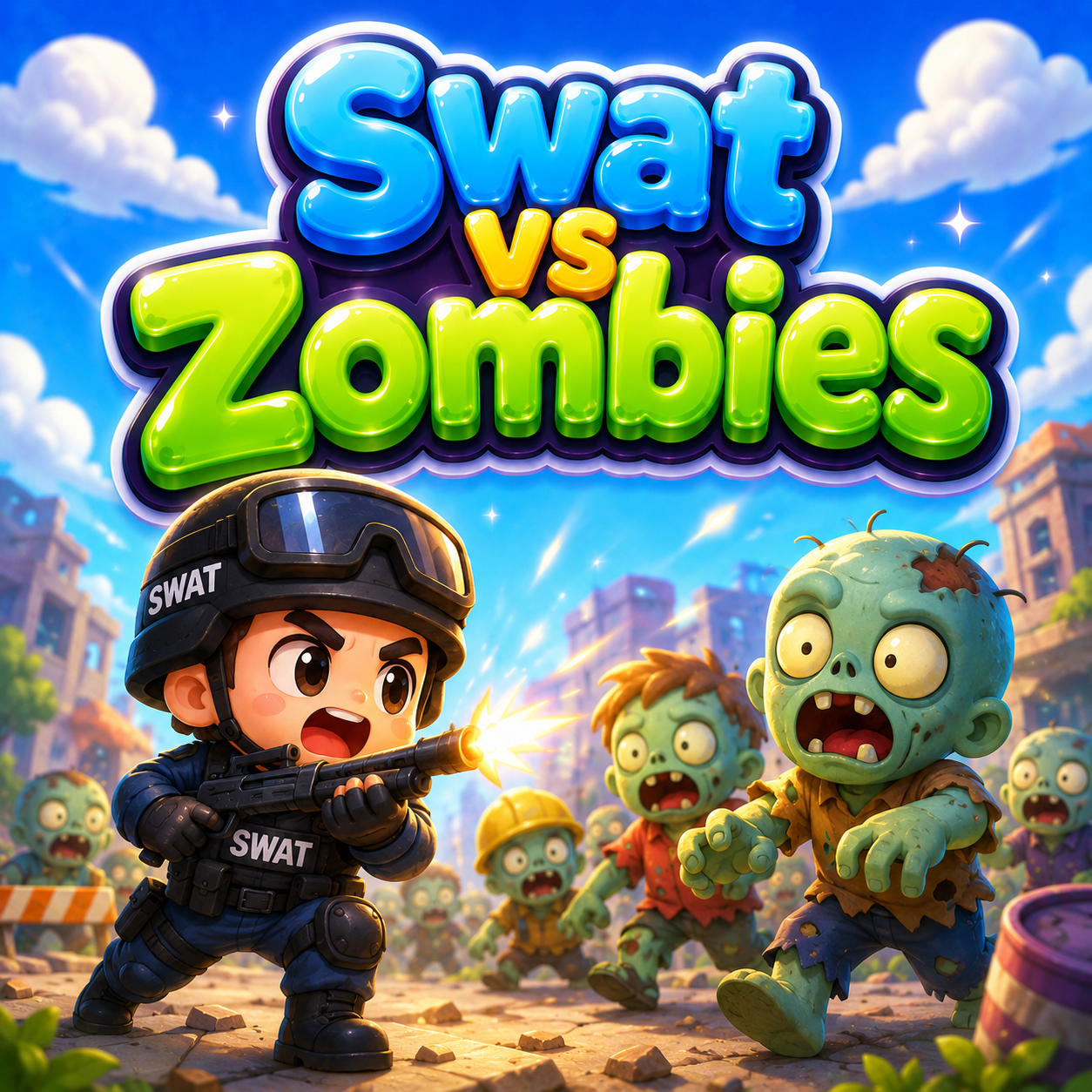 Action
Zombie Buster
Play nowAction games
Most people tap this label wanting a fighting game. It has to be said at the top: there is no one-on-one fighter in the catalogue, no boxing or sword-duel between two players. Action here is not a genre — it is a tempo: a fast pace and a decision that has to happen now. The twenty-seven titles come from several genres — shooting, running, driving, defence — and what unites them under one label is the speed each one forces on you.
The group that decides in a split second
This group gives almost no time to think. Shooting titles like Shoot Robbers and Hit Em Up, and the Zombie games, throw targets at you thick enough that pure reaction carries you. Fast runners like Bashorun and Ninja Run New feed obstacles without pause. This group suits someone who wants excitement with no rest beat, and it usually takes repeat runs to learn the course.
The group that is fast but lets you breathe
The other group is quick but gives more room to set up. Defence titles like Tank Defender and Kingdom Defense let you arrange your forces before the enemy arrives; driving titles like Traffic Racer and Speed Racer let you read the lane a little ahead before you dodge. These still count as action because a mistake is punished at once, but they press you less than the first group, so a beginner should start here.
Why the shelf is this mixed
Because action describes a feeling, not a rulebook. Shooting is fast, running is fast, driving is fast, so they all pick up this label alongside their own genre one. If you want a clear genre, go to the shooting shelf or the jumping shelf; if you want everything that is fast in one place, this shelf gathers it.
Common questions about the action shelf
Is there a one-on-one fighting game here?
No. There is no boxing or sword game where two players clash directly. The closest is fighting the enemies the game generates — shooting zombies or defending a base — rather than duelling an opponent.
Which group suits someone who dislikes high pressure?
The fast-but-breathable group, especially the base-defence games that let you arrange forces first, unlike the dense target-shooting that demands constant instant reaction.
Why are driving games on the action shelf?
Because fast lane-dodging racers carry the action label too, by feel, so you see them here and on the racing shelf. We do not strip the label the source applied.