 Viviana Arcade
 Puzzle
Brain games
32 games in this category
Puzzle Puzzle
Bubble Shooter
Play now Casual
Candy Super Lines
Play now Puzzle
Candy Match 3
Play now Puzzle
Fish World Match 3
Play now Brain
BrainCar Physics
Play now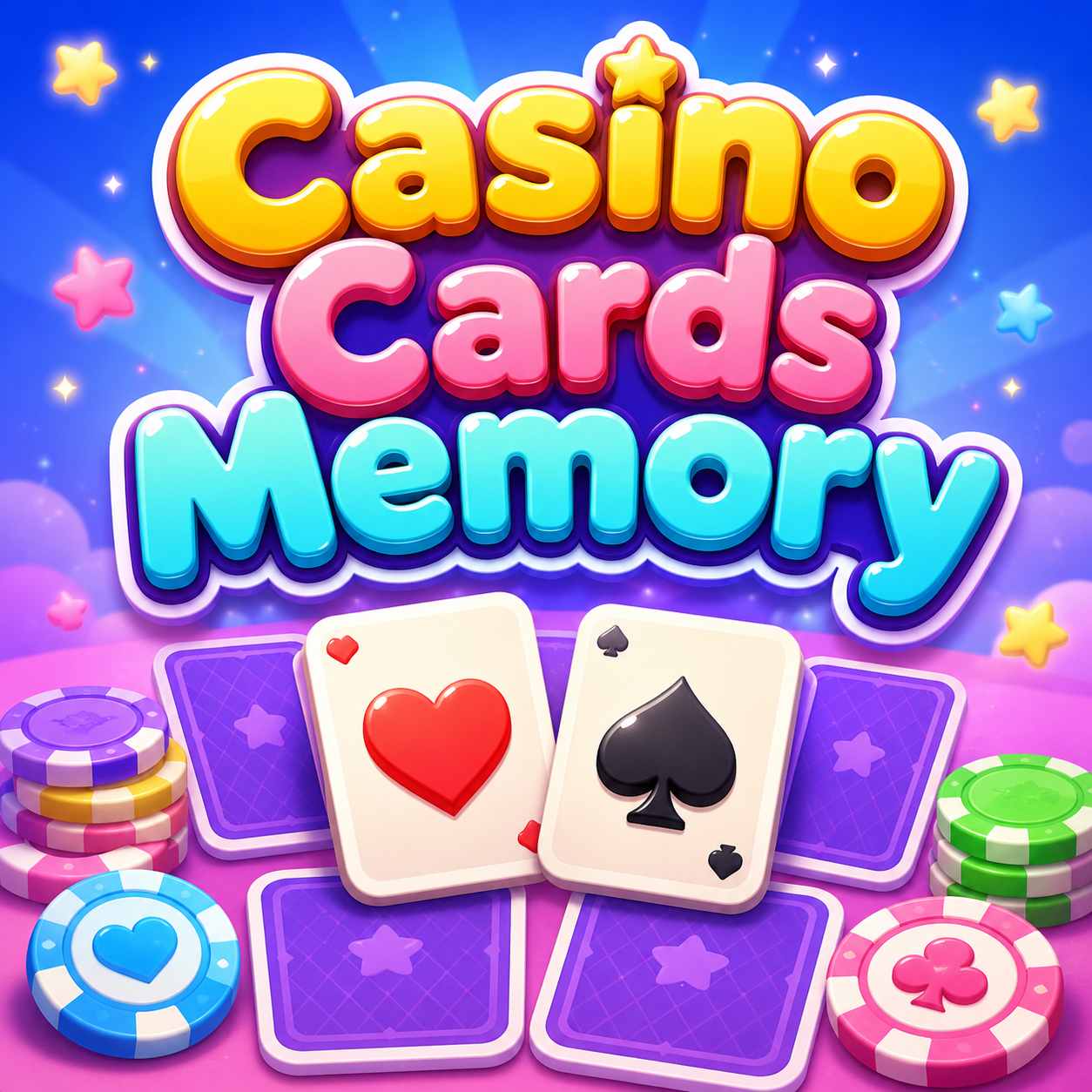 Brain
BrainCasino Cards Memory
Play now Brain
BrainCrossword For Kids
Play now Puzzle
Jelly Match 3
Play now Kids
KidsKids True Color
Play now Brain
BrainMath Game For Kids
Play now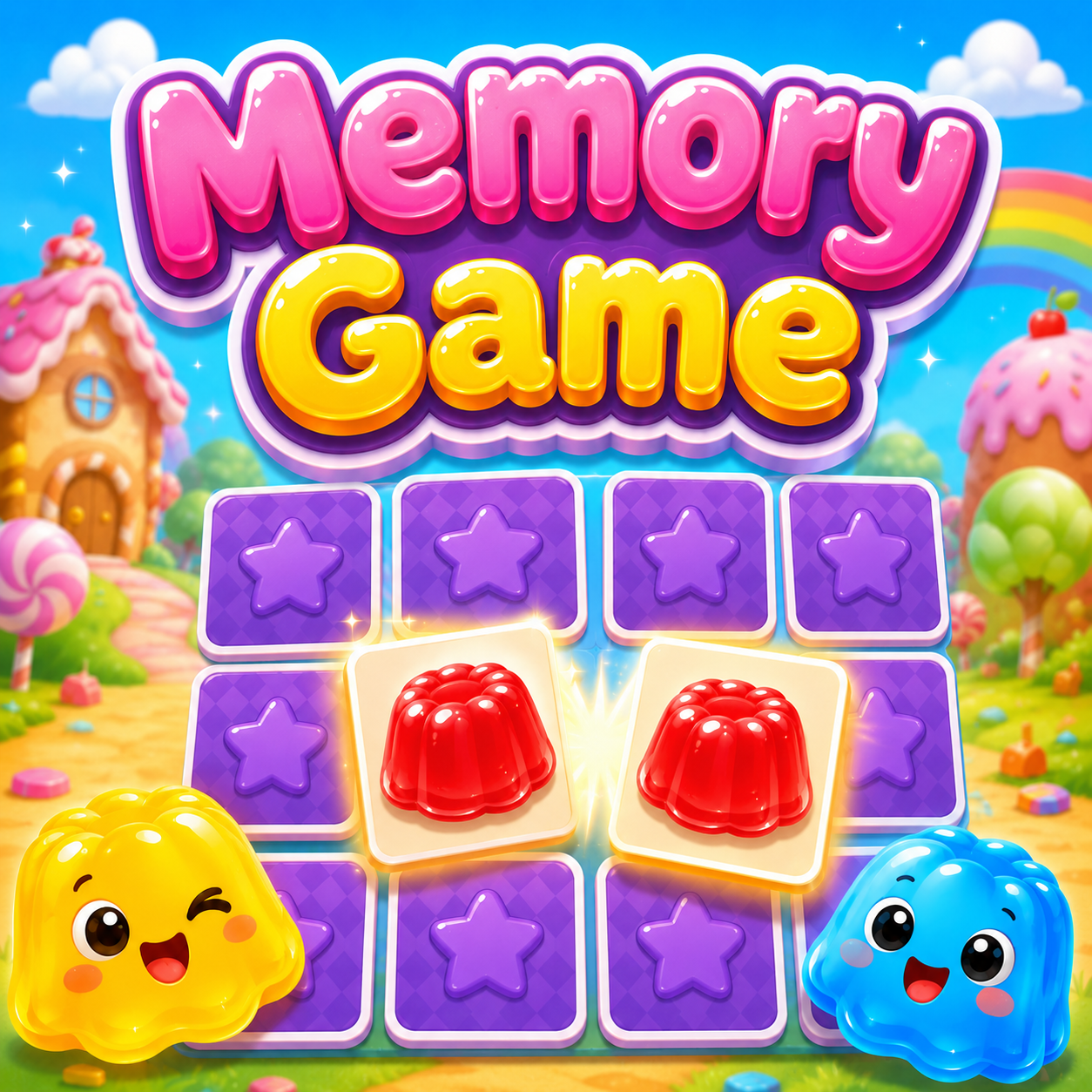 Brain
BrainMemory Game
Play now Puzzle
Monster Match 3
Play now Strategy
Traffic Command
Play now Puzzle
Donut Crash Saga
Play now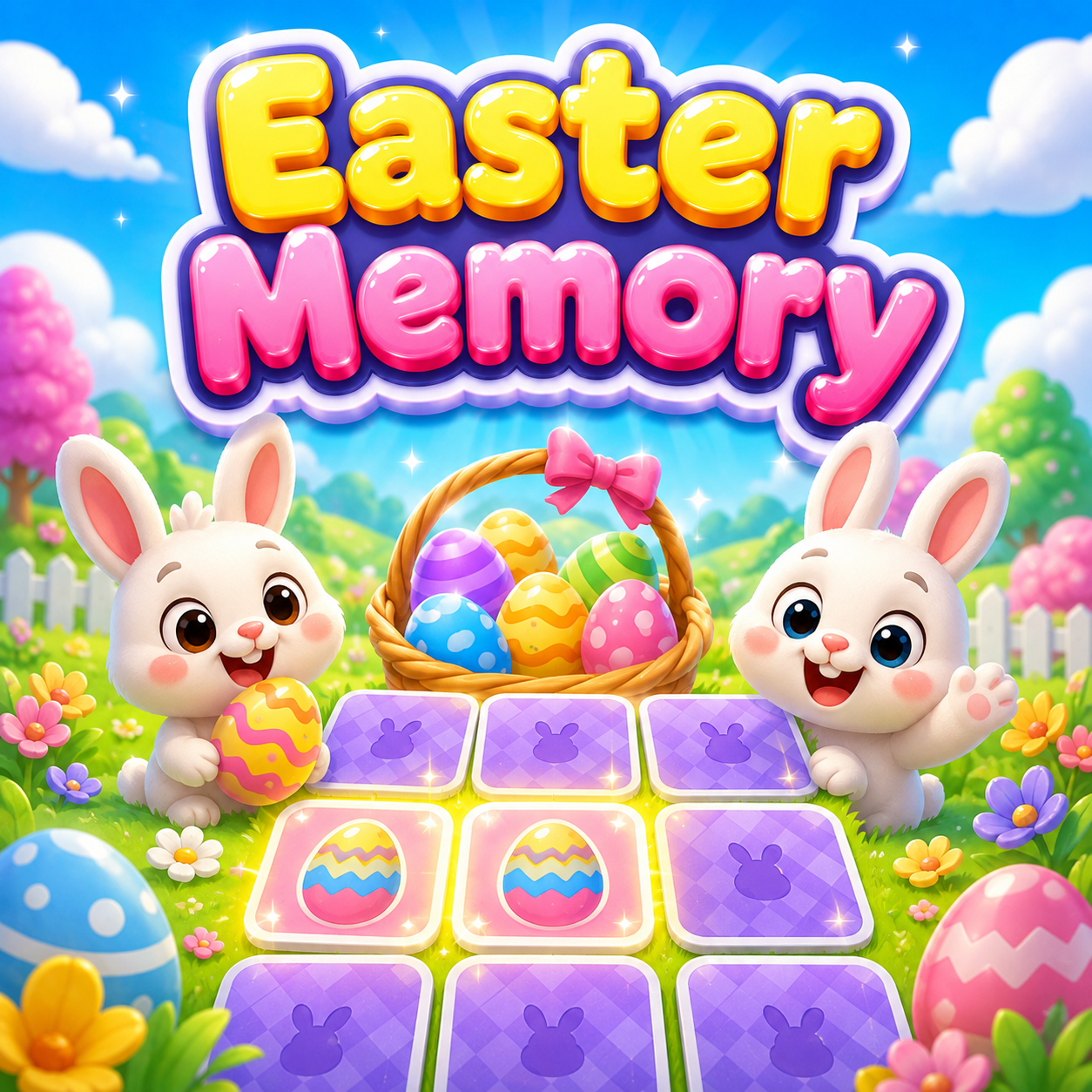 Brain
BrainEaster Memory
Play now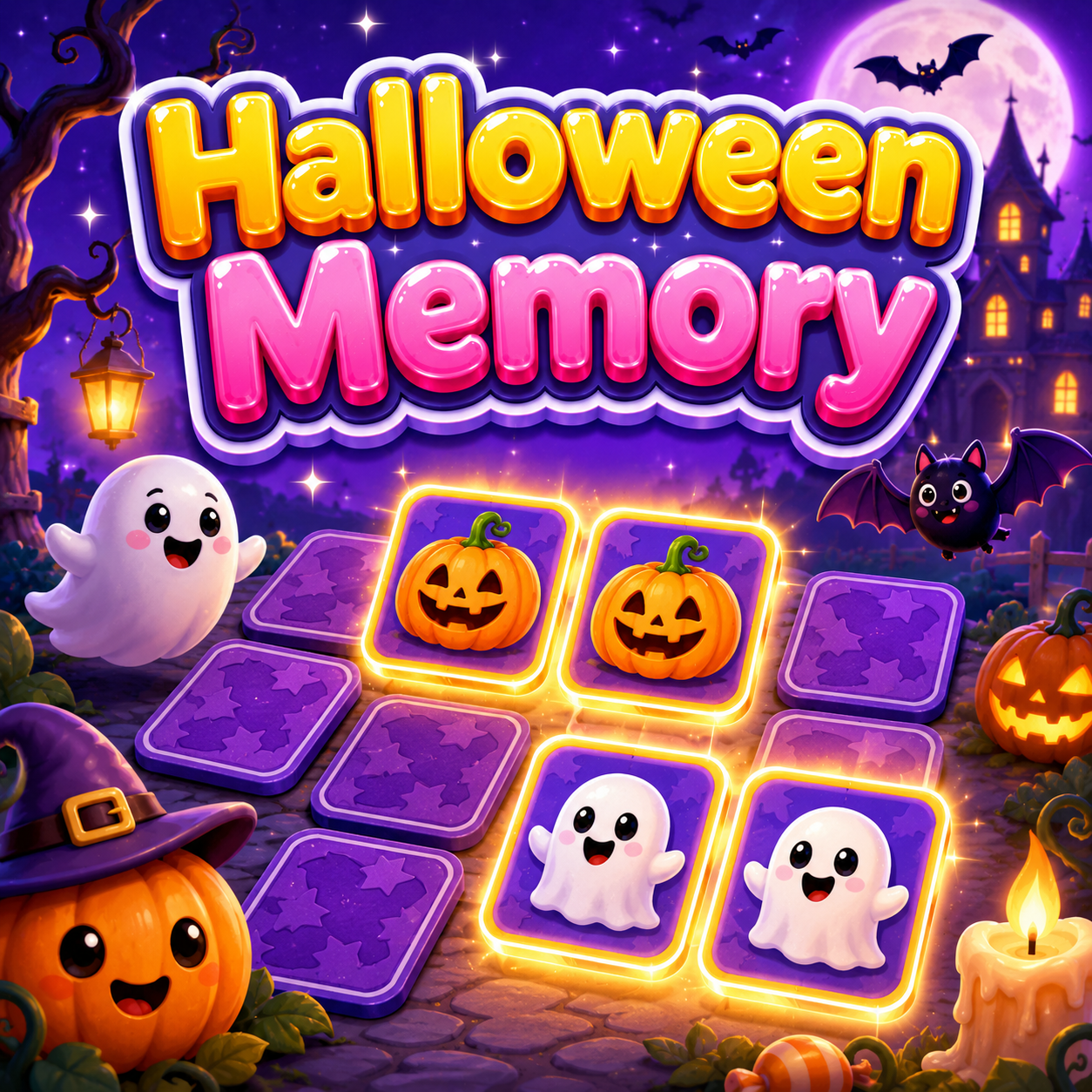 Brain
BrainHalloween Memory
Play now Skill
SkillHandless Millionaire
Play now Puzzle
Hot Jewels
Play now Puzzle
Lollipops Match 3
Play now Puzzle
Mad Scientist
Play now Brain
BrainMath Game For Kids
Play now Adventure
Mummy Candies
Play now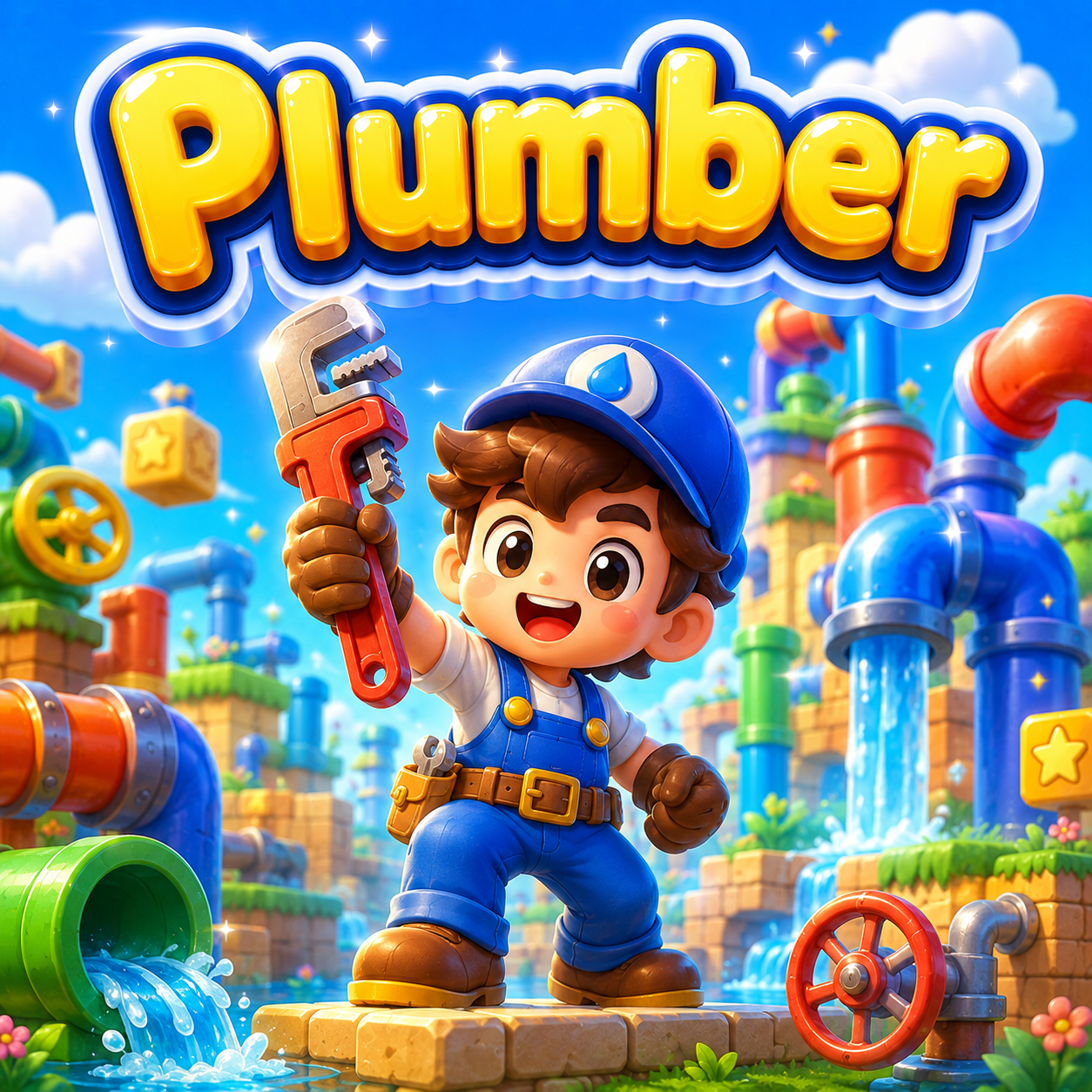 Puzzle
Plumber
Play now Puzzle
Professor Bubble
Play now Casual
Quick Dice
Play now Brain
BrainRobotex
Play now Brain
BrainSchitalochka
Play now Shooting
Shoot Robbers
Play now Casual
Smiles
Play now Puzzle
Super Color Lines Match 5
Play now Jigsaw
Supercars Puzzle
Play nowBrain games
Most shelves on this site test your fingers. This one tests what you can keep in your head. Every title under this label shares a single trait: play it without paying attention and it ends the round for you. What it asks of your attention, though, is not one thing. Sorting the shelf by the mental job it hands you is far more useful than sorting it by cover art, so that is the split this page uses.
Recalling what has been hidden
The face-down card games anchor this side. Memory Game dresses the grid in a haunted house on purple; Casino Cards Memory lays the cards on green felt and adds two rules the plain versions skip — a bankroll in the corner that drops by ten every time you turn a wrong pair, and a one-minute clock running underneath. Those two additions turn a quiet recall exercise into something you have to hurry. Easter Memory and Halloween Memory run the same matching rule without the money, which makes them the ones to open if you want to train recall with nothing chasing you.
Doing the sum before the timer
Schitalochka and the two identically named arithmetic titles put a problem on screen and want the answer before the countdown empties. What files them here is not the numbers — it is that you have to finish the calculation in your head before your hand moves, unlike a spotting game where seeing is the same as solving. These screens are deliberately plain, because their whole job is to keep your eyes on the problem.
Planning the path before you let go
Plumber hands you pipe segments to rotate on a brick wall until water runs from source to drain, with numbered levels that climb in difficulty. Mad Scientist is a grappling-swing game where the release has to be judged ahead of time, and Car Physics asks you to arrange a vehicle so it crosses tilted ground without tipping. All three reward seeing the result in your head first and then acting, rather than flailing and correcting.
Where to start without pressure
Open a festive matching board first — no clock, no penalty — then move to the arithmetic side once you want to be timed. Save the routing games for when you have a long stretch of focus, because the later levels need several moves of forethought.
Questions people ask about this shelf
Do card matching and mental arithmetic count as the same genre?
No. They live under one label because both make you work in your head, but matching measures how many positions you can hold, while arithmetic measures how fast you process. Two different faculties that happen to share a shelf.
Which games here are timed and which let me take my time?
Casino Cards Memory and the arithmetic group carry a visible clock. The festive matching boards and the pipe-routing game let you think as long as you like with nothing pressing behind you.
Why do some of these also appear on the puzzle shelf?
Because a game can carry several labels for the several jobs it does. A number of match-three boards sit here and on the puzzle shelf at once, and we do not strip labels to make a count look tidy.