 Viviana Arcade
Curated sets
Each set uses a rule you can only apply by opening the games yourself
Playable with one thumb
10 games in this set
Finished inside three minutes
12 games in this set
No countdown clock
5 games in this set
Seasonal games
9 games in this set
Games you cannot lose
4 games in this set
Loud and heavy
11 games in this set



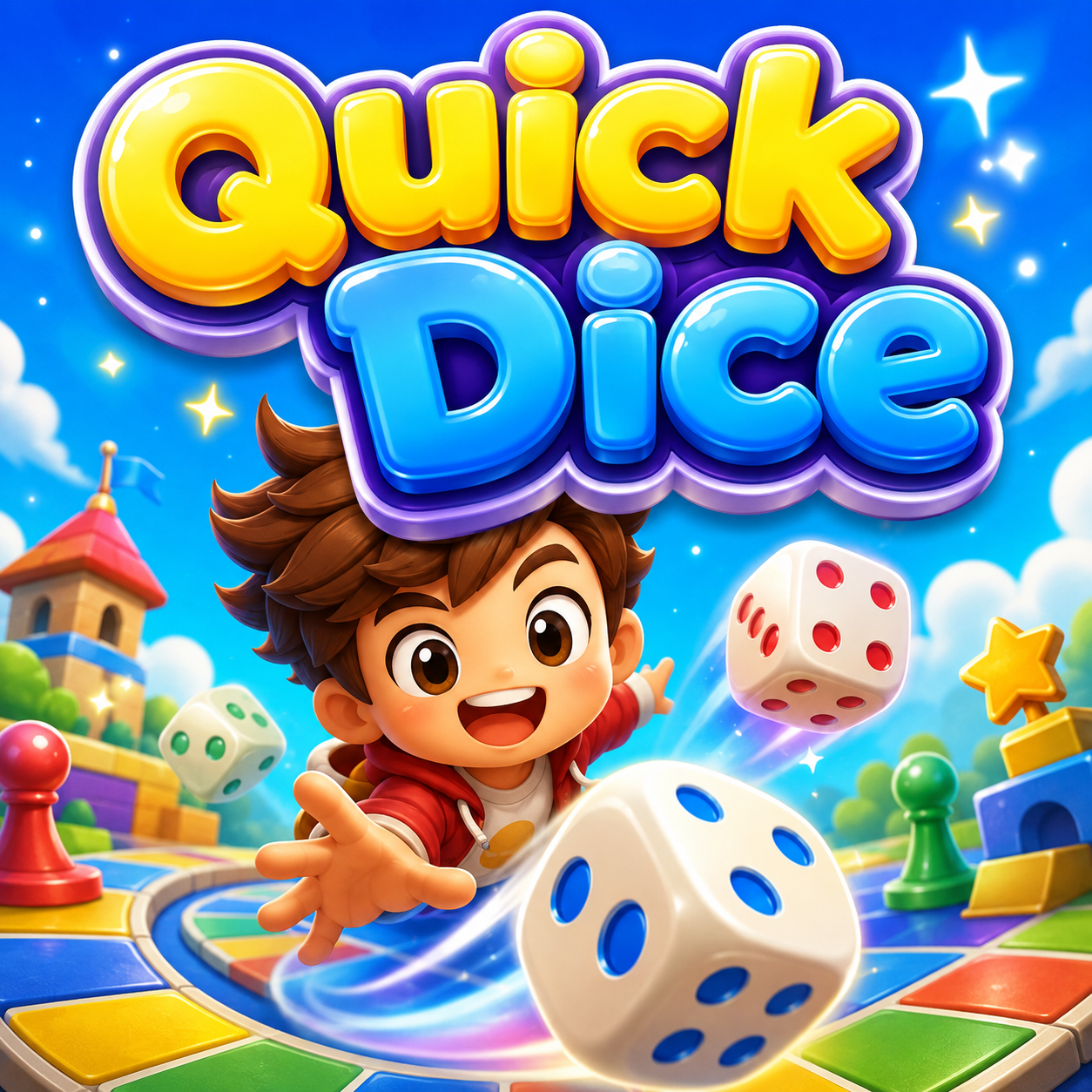
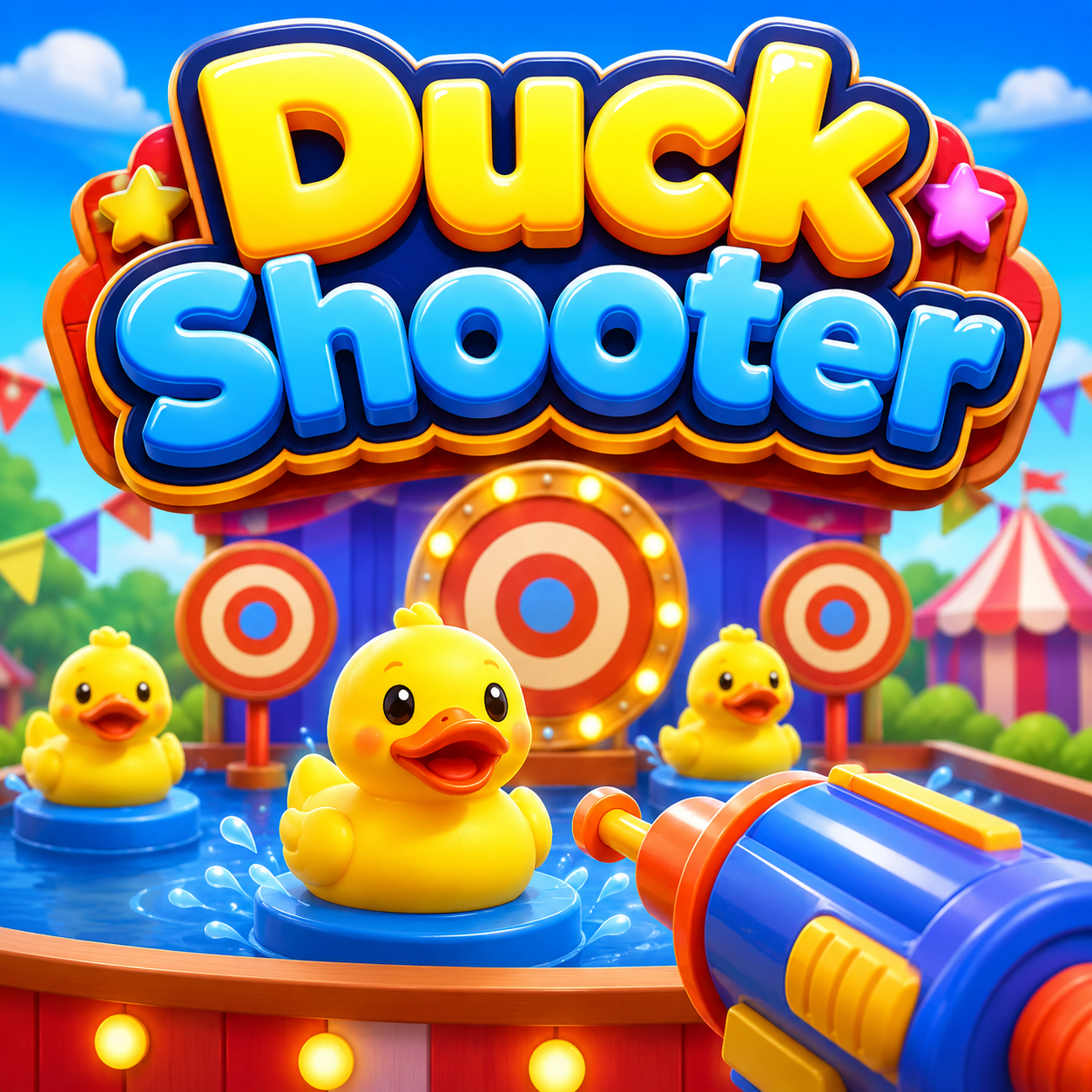
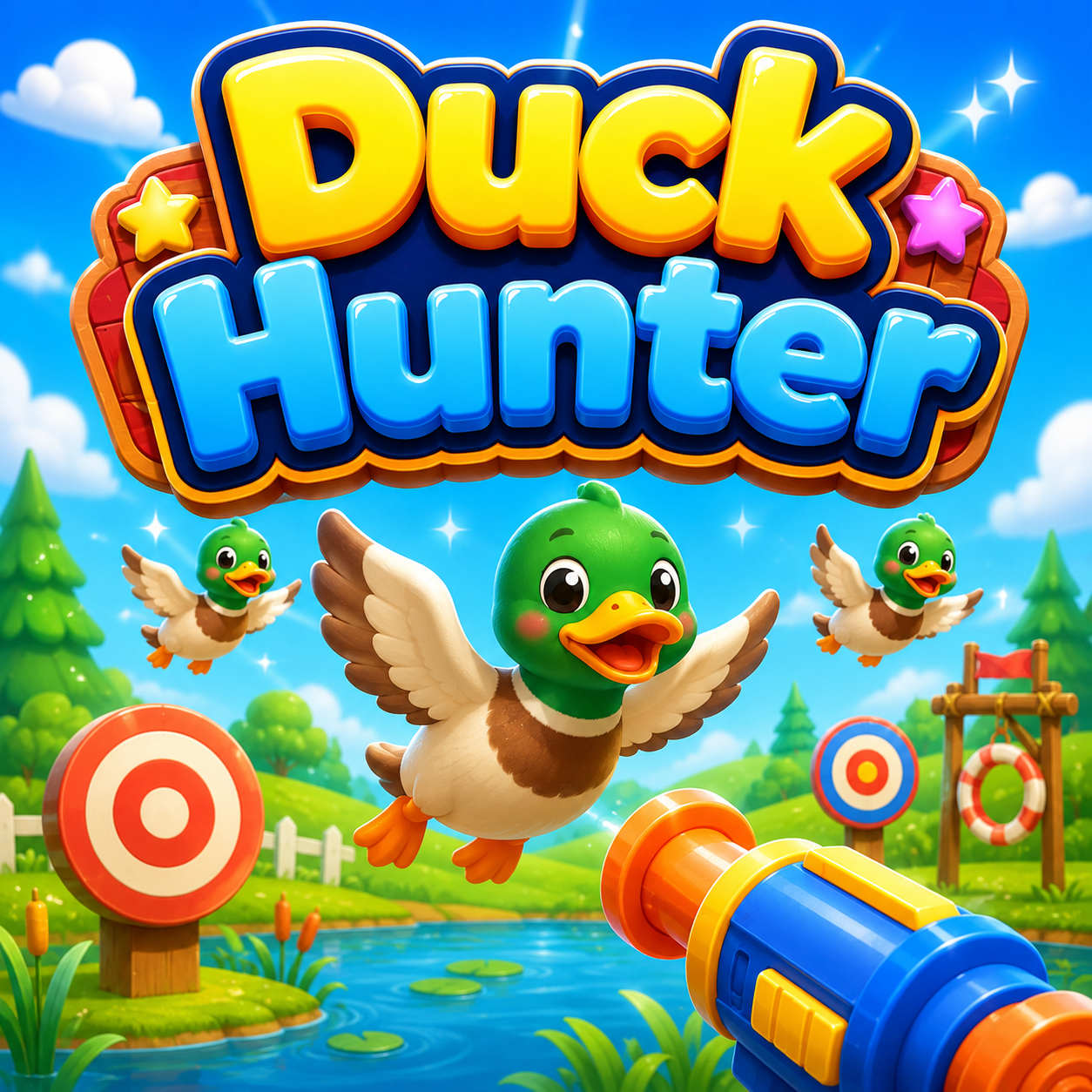
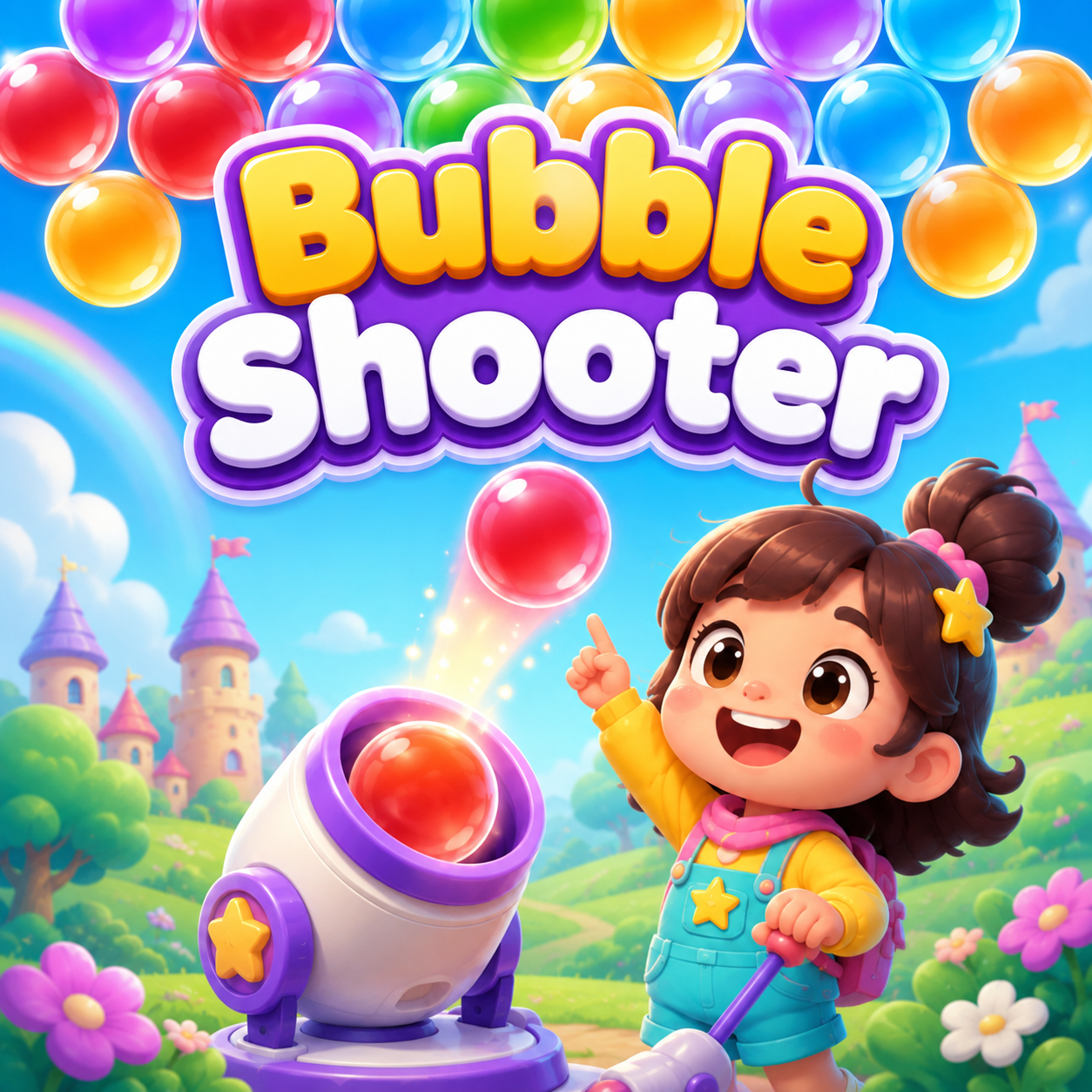


Curated sets
A curated set takes games off the genre shelves and rearranges them around the situation of the person about to play. There are six of them, and each one carries a written rule you can hold us to.
Why curated sets exist
Catalogue data can only order things by a number: an average rating, a title, an import date. None of those numbers answers the question people actually arrive with, which is what should I play right now.
Categories say what a game is. Sets say when a game fits. Someone standing at a bus stop with one hand free and someone sitting down at a desk with an uninterrupted hour need different games even inside the same genre. That condition does not exist anywhere in the raw data. The only way to know is to open the game and decide.
Six sets, one rule each
- Playable with one thumb — single tap or tap-and-hold, no second finger, no rotating the screen · 10 games
- Finished inside three minutes — a self-contained round; quitting halfway costs you no progress · 12 games
- No countdown clock — nothing ticks down, and the board survives 75 seconds of hands off the keys · 5 games
- Seasonal games — Halloween and Christmas themes, still perfectly playable out of season · 9 games
- Games you cannot lose — a mistake never produces a game-over screen and there are no lives to spend · 4 games
- Loud and heavy — dark tone, fast tempo, gunfire and explosions, deliberately kept in one clearly labelled place · 11 games
That last set works in both directions: it gathers the heavy stuff for people hunting it, and it tells everyone else exactly which set to avoid opening at a desk in an office.
How the sets are maintained
Every game is opened and played before it joins a set. Nothing is admitted on the strength of its title or its cover art. When a game turns out not to meet the rule of the set it sits in, it comes out; we do not keep it there to protect a number.
We publish no weekly or monthly update promise, because no such cadence exists yet and we would rather not write something we cannot keep. If you play through a set and find a game that breaks its rule, tell us on the contact page. That is the most useful way to catch us out.
Questions about how sets are curated
How many sets are there?
Six, as listed above. Each has its own page where the rule is explained at greater length.
Can a game belong to more than one set?
Not in this first release. The membership was built with no overlap on purpose, so that every set has one clear reason to exist. Categories work differently — a game can sit on several of those.
How is a set different from a category?
A category groups games by what kind of game they are. A set groups them by the circumstances of playing. To browse the other way, open the category index.
Can I suggest a set?
Yes. Send it through the contact page along with the rule you would use to fill it. If that rule can be checked by actually playing the games, it has a real chance of becoming a set.