 Viviana Arcade
 Sports
Sports games
3 games in this category


Sports games
Say it before you tap in: this shelf has no team game. No football with a squad to manage, no basketball, no golf. What there is: three titles that measure one player's skill, two of them cue tables and one a ball-timing game. Anyone who arrived hoping to play a league season should stop reading here rather than open three cards to find out.
Two cue tables that measure different things
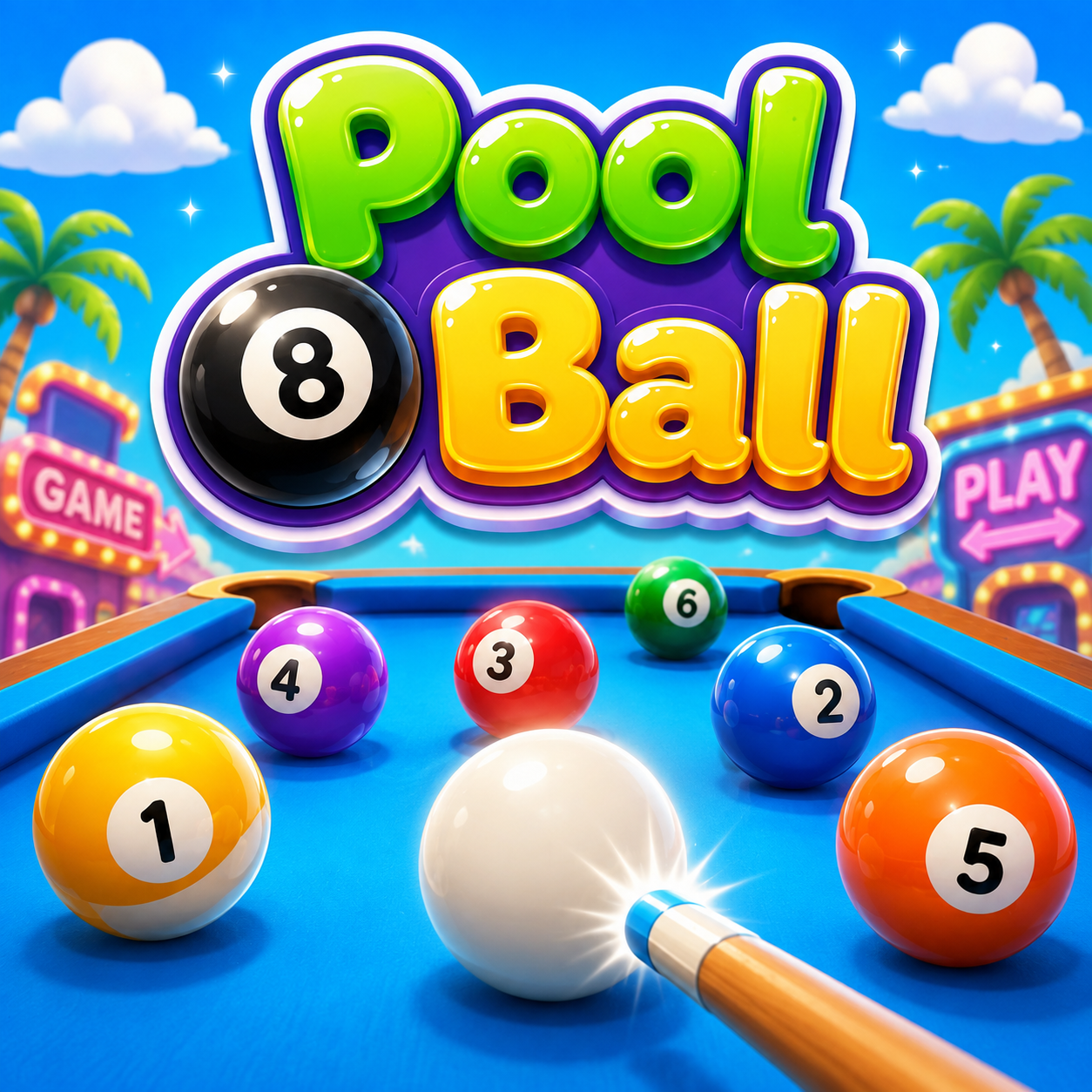
Pool 8 Ball and Pops Billiards are both cue tables, but they do not feel the same. What actually helps on both is power more than angle. Most people strike harder than they need to because they want to see the ball travel, and the cue ball drifts to a spot you cannot play from next. Striking softly so the cue ball stops near the next cluster is worth more than sinking one ball and losing position. Pool 8 Ball offers a timed mode and two players on one device, while Pops Billiards leans on clearing balls in a steady run.
One game that measures timing, not aim
Super PonGoal is a ball-timing game that does not ask you to aim like a pool table — it asks you to time a tap so the ball goes where you want. It plays more comfortably on a fingertip than the tables do, because it needs no fine dragging, which makes it the one to open if you want a sport you can start immediately without learning to aim.
On a small screen or with a mouse
Aiming on a pool table uses a drag to set line and power. On a small screen the drag distance shrinks a lot, which makes fine angles harder. If you have a mouse, use it for the two tables; the ball-timing game plays fine with a finger.
Common questions about the sports shelf
Why does this shelf only have three games?
Because these are the only games in the catalogue that genuinely match the word. We do not fold in a racing or running game to make the number look better; a label that matches reality is worth more to you than a full-looking shelf.
Can all three be played on a phone?
All three, yes, but the pool tables play more accurately with a mouse, while the ball-timing game is already designed to work well with a finger.
Which of the three is easiest to start?
Super PonGoal is the easiest, because it needs no aiming, just tap timing. The two pool tables take a while to get power under control before you can steer the cue ball.