 Viviana Arcade
 Kids
KidsDriving games
8 games in this category
Kids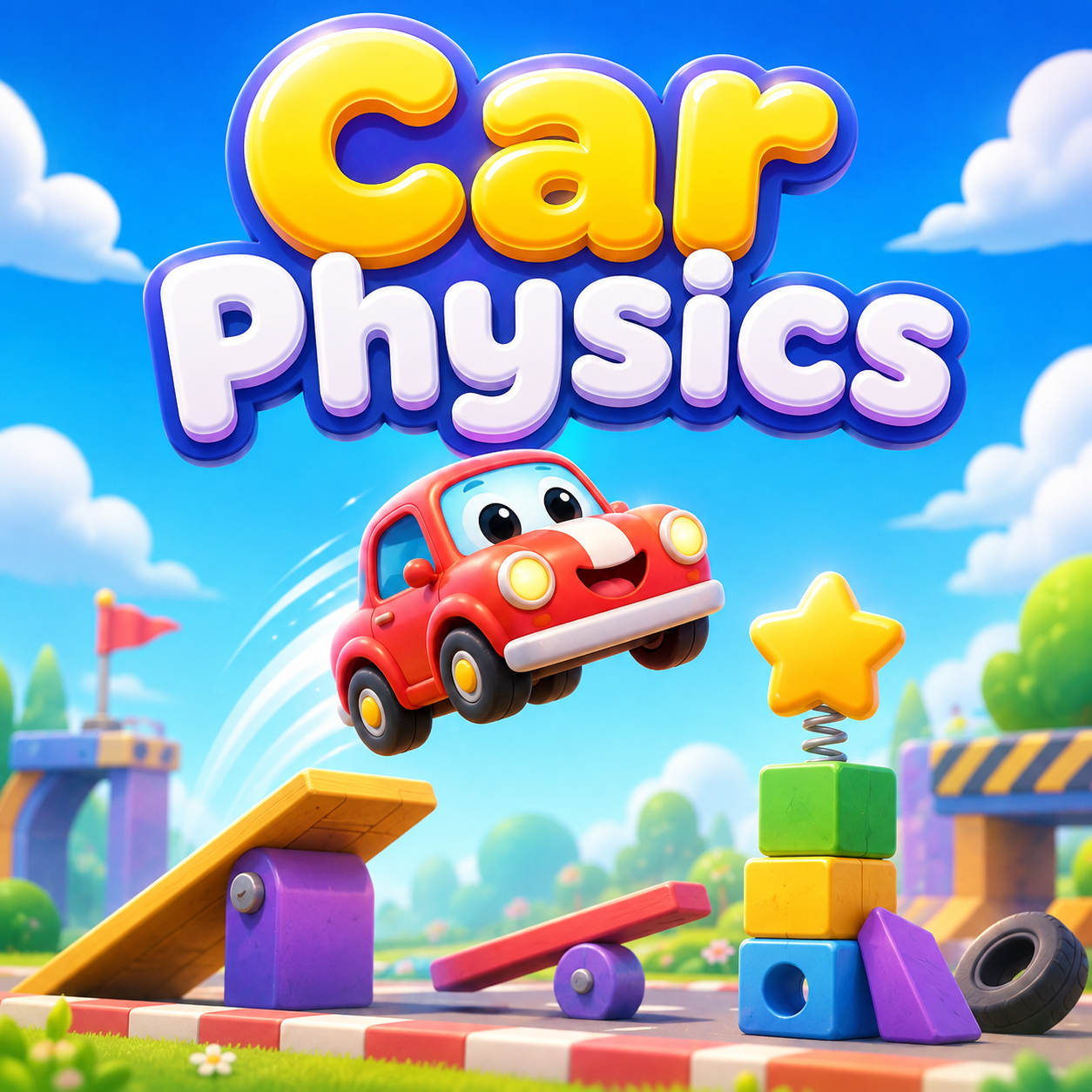 Brain
BrainCar Physics
Play now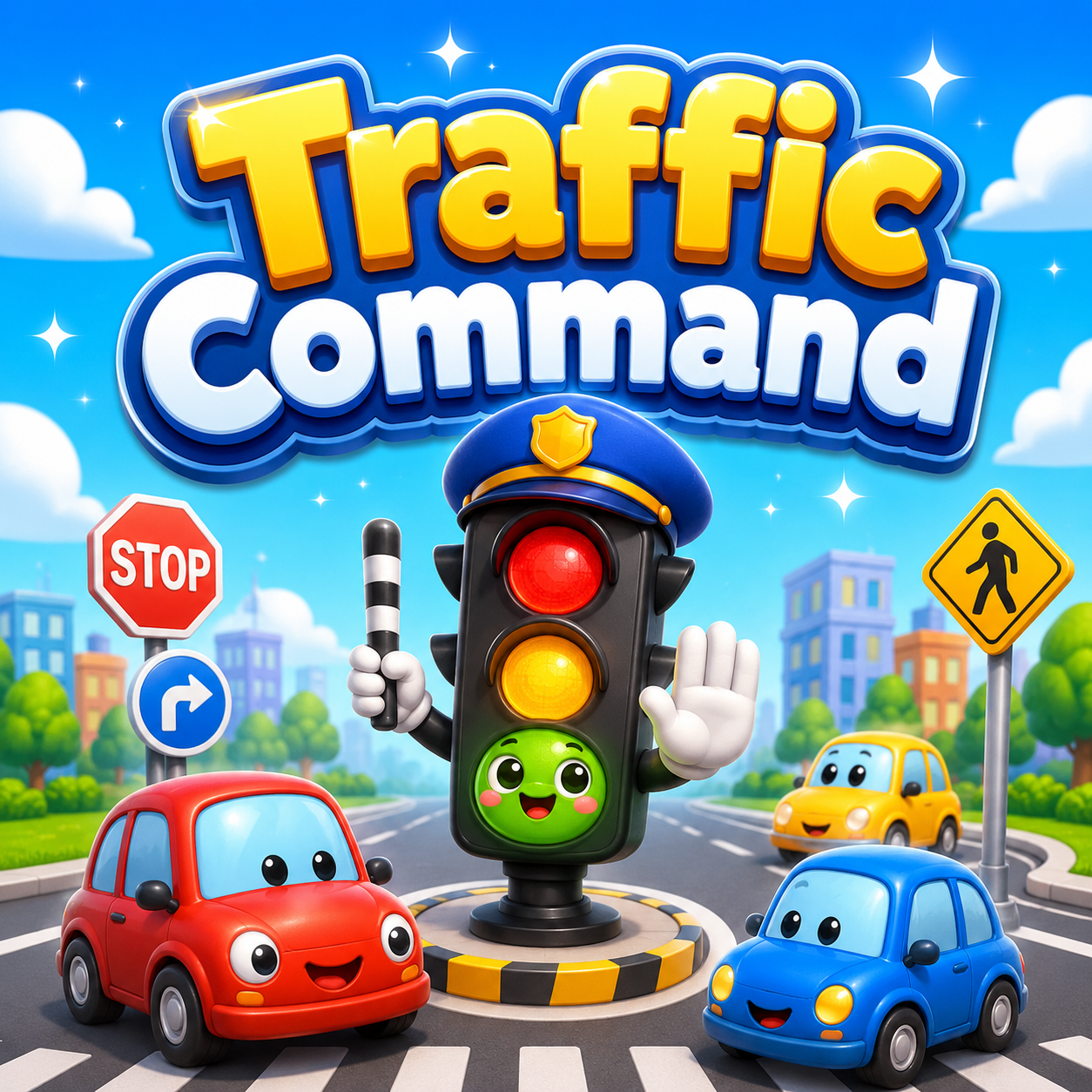 Strategy
Traffic Command
Play now Driving
Traffic Racer
Play now Action
Crazy Car
Play now Racing
Speed Racer
Play now Driving
Speed Racer2
Play now Driving
Traffic
Play nowDriving games
This shelf is not only about speed the way the name suggests. Its eight titles put you in different seats relative to the wheel. In some you sit above the road reading the whole picture; in some you are inside the car staying alive; and one does not have you drive at all but repair the car. So the way to choose here is not by the vehicle you like but by the seat you want to be in.
First seat: you run the system above the road
In Traffic Command you look down on a seaside town and flip the signals at each junction so cars flow through without meeting in the road. There is a quota of cars to clear, a timer, and a few spare hearts to cover slips. The point is that you hold no wheel at all — you set the timing for the whole town. This seat suits someone who likes reading the whole board over steering one vehicle.
Second seat: you are the driver staying alive
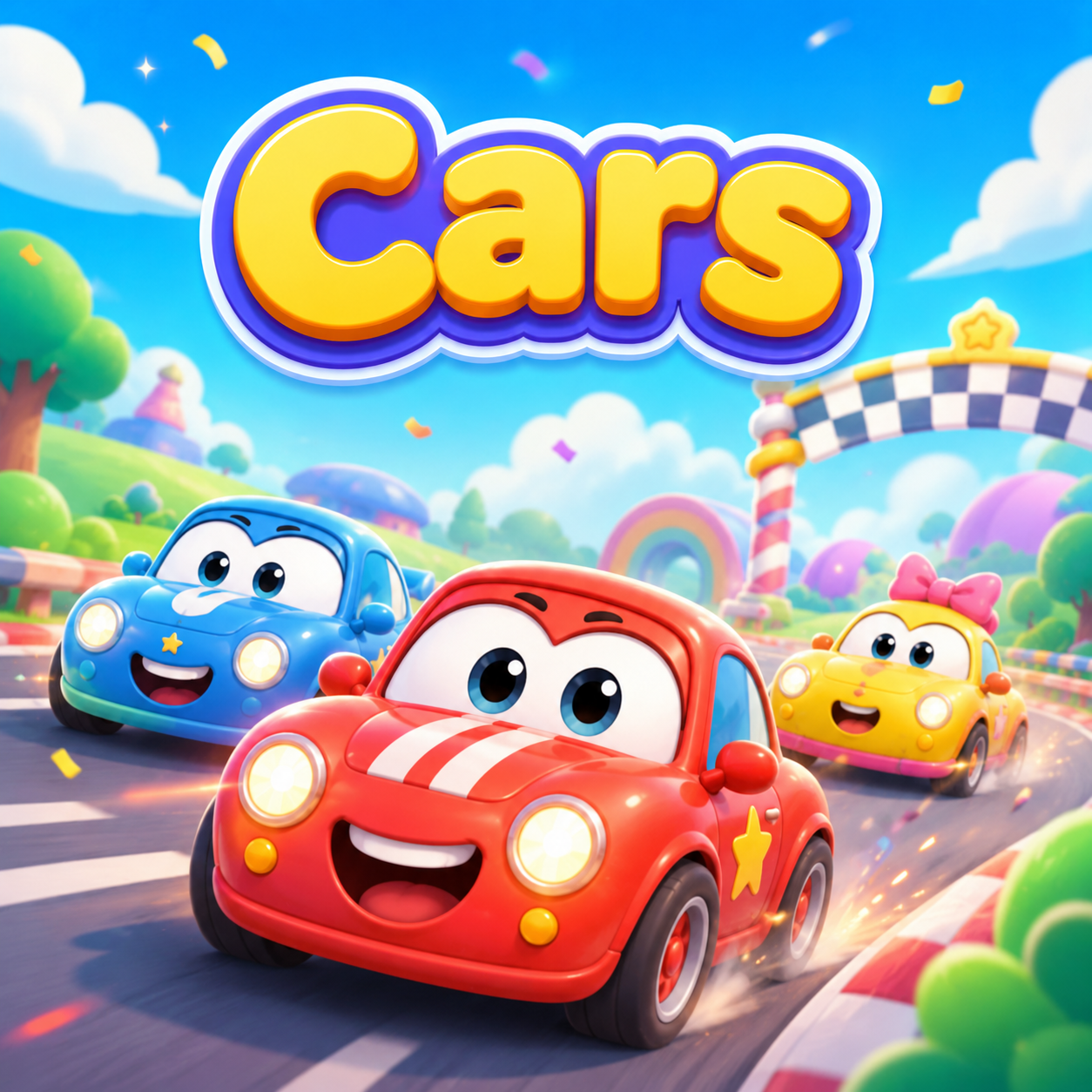
The largest group puts you inside the car. Traffic has you drive across cross-traffic; Crazy Car and Cars steer past obstacles; Traffic Racer and the two same-named Speed Racer titles are lane-dodging racers. This group measures reaction and reading the lane ahead — one mistimed move ends it — unlike the first seat, which gives you more time to think.
Third seat: you fix the car, not drive it
Car Physics is the odd one here. It does not have you race — it asks how to arrange a vehicle so it crosses tilted ground without tipping. Its core is planning before you release, not fast reaction. If you tire of lane-dodging and want a car game that makes you think, this is the one.
Common questions about the driving shelf
How is the driving shelf different from the racing shelf?
They overlap, because some racers sit on both. But the racing shelf is about competing on speed and camera angle, while this one is broader, holding traffic-control and a physics puzzle that are not races at all.
Is the traffic-light game hard for a beginner?
Not in the first minute, since there is one thing to press: the lights. It gets demanding when cars arrive from several directions at once, and the difficulty is in choosing which side to release first rather than in the controls.
Which game here needs the fastest reactions?
The lane-dodging racers like Traffic Racer and Speed Racer are fastest, because the car runs on its own and you dodge on the instant. The traffic-control and physics games give you more time to think.