 Viviana Arcade
 Arcade
Arcade games
18 games in this category
Arcade Arcade
Brick Out
Play now Arcade
Fruit Snake
Play now Arcade
Angry Cat Shot
Play now Jumping
Crazy Runner
Play now Shooting
Duck Shooter
Play now Arcade
Fruit Slasher
Play now Adventure
Gold Miner
Play now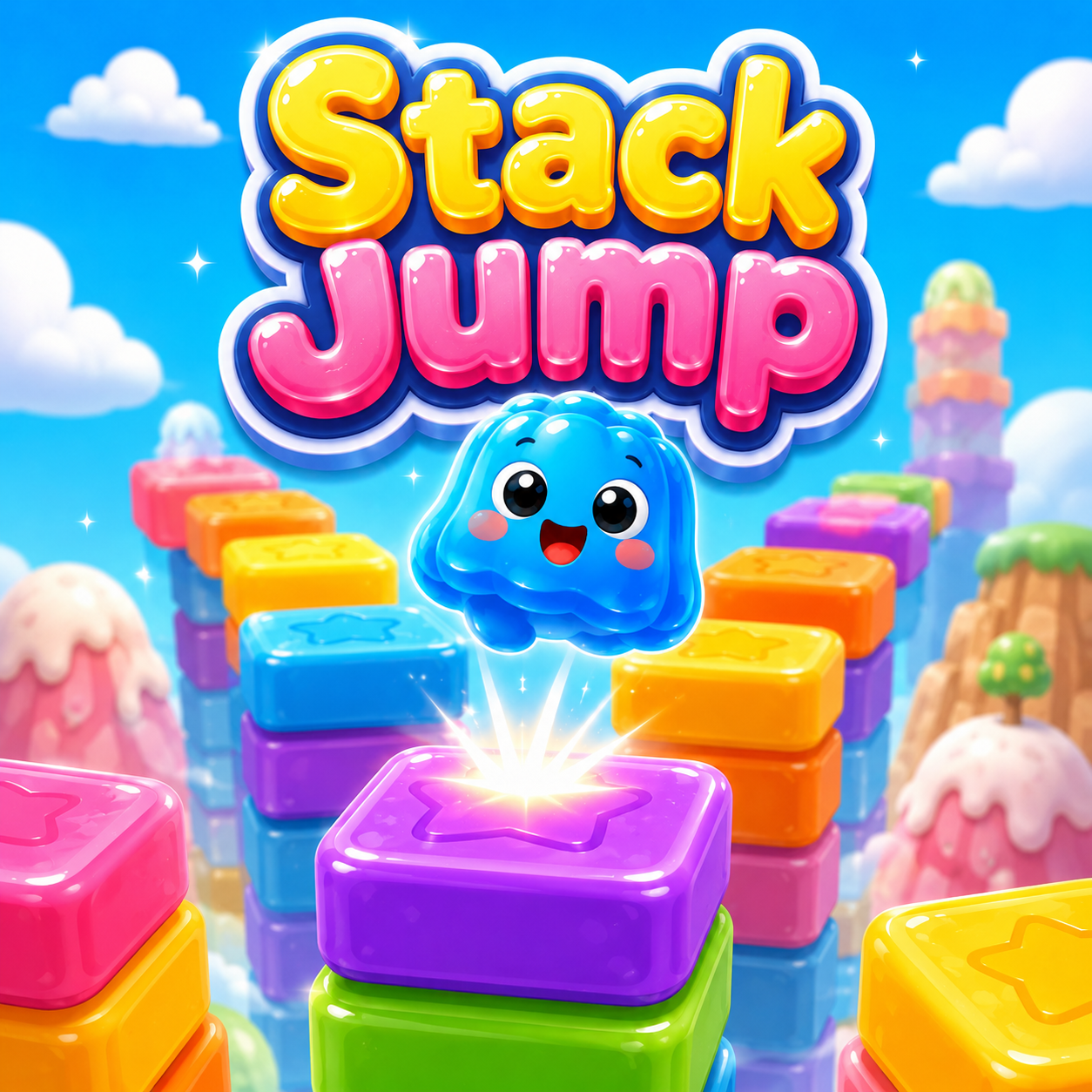 Jumping
Stack Jump
Play now Jumping
Stick Panda
Play now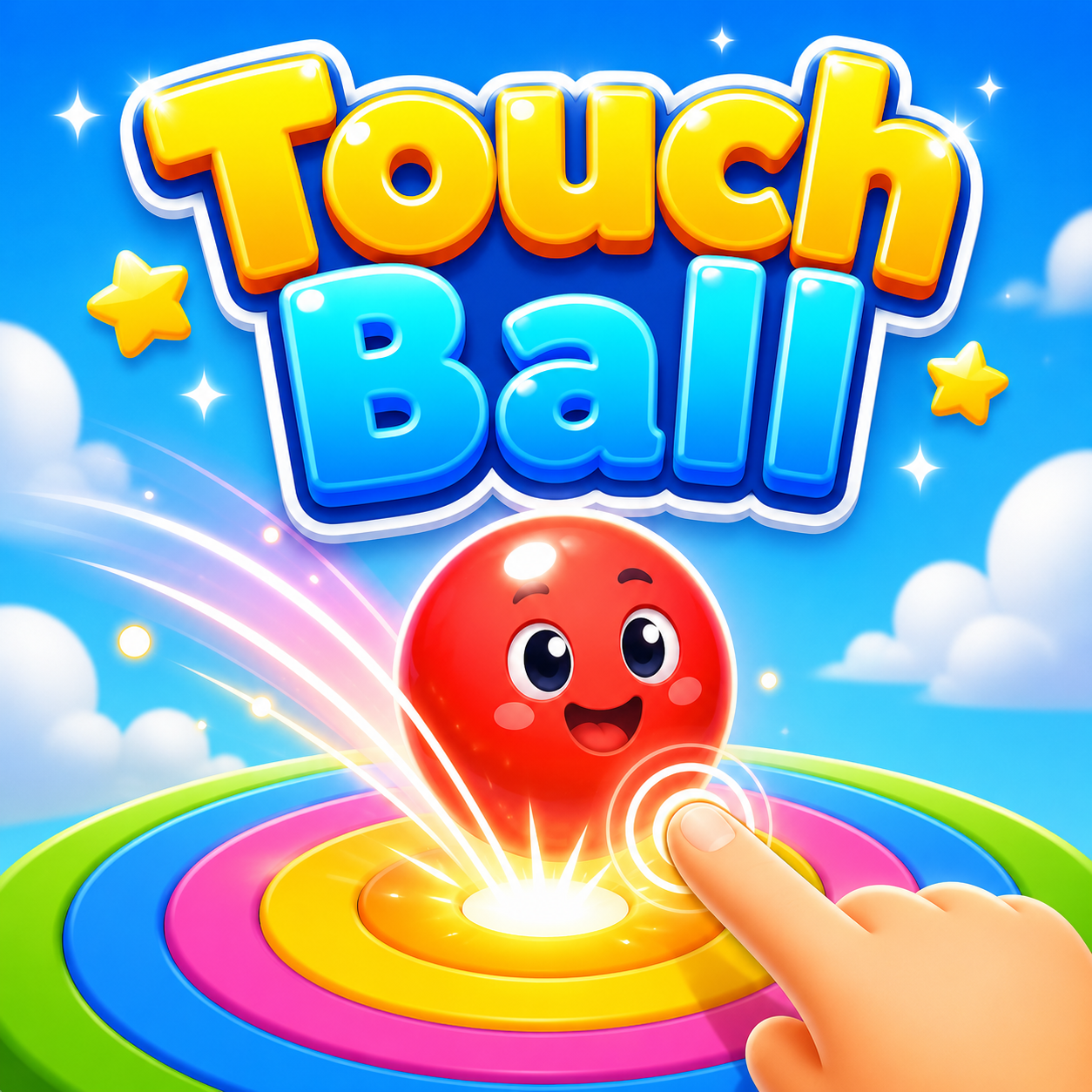 Skill
SkillTouch Ball
Play now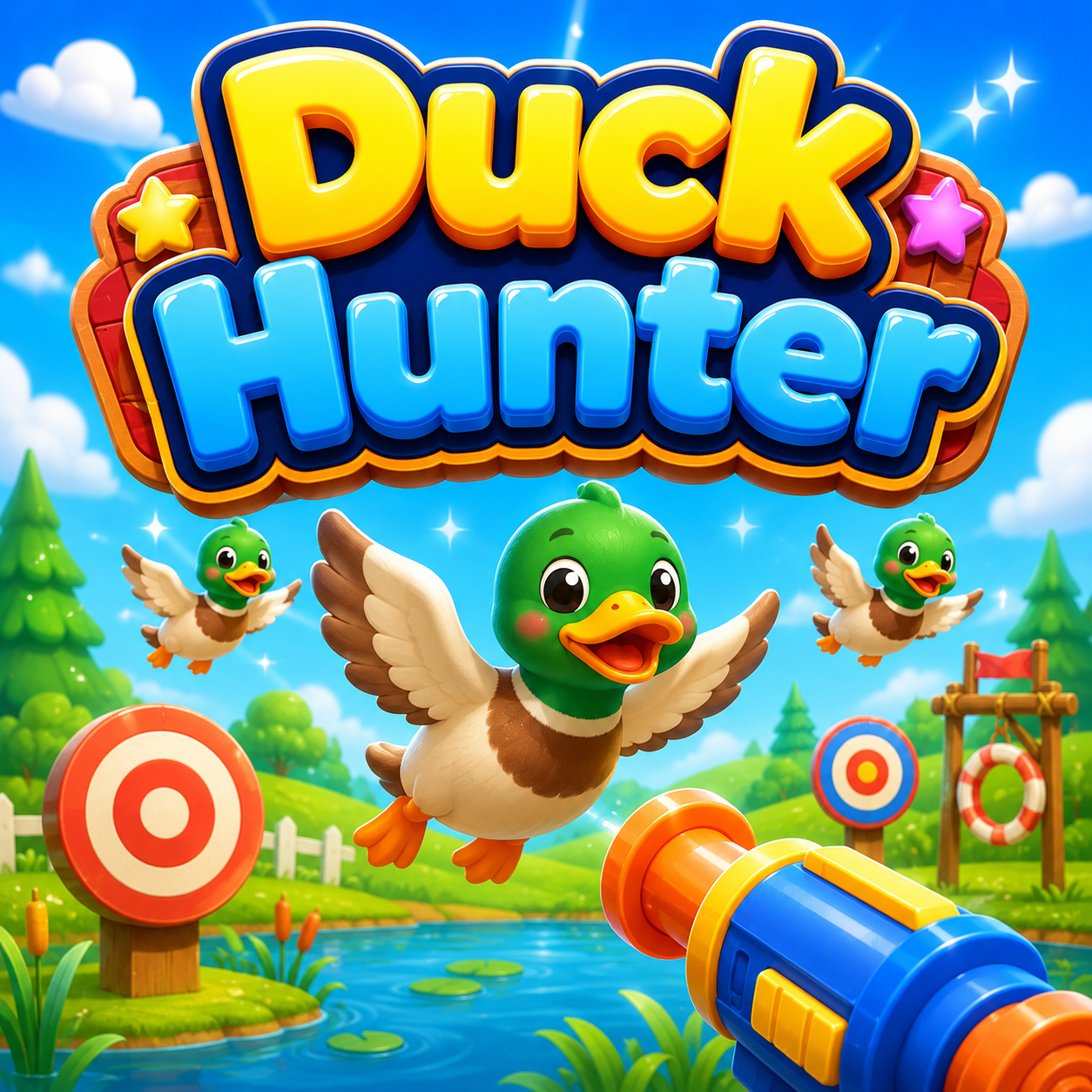 Shooting
Duck Hunter
Play now Arcade
Flappy Ball
Play now Adventure
Gold Miner Jack
Play now Action
Hit Em Up
Play now Action
Jago
Play now Shooting
Shoot Robbers
Play now Skill
SkillStick Soldier
Play nowArcade games
Every arcade game ends. That sounds obvious until you notice it is the only thing all eighteen titles on this shelf have in common, and that the way a round ends is the part you will either enjoy or resent. Sorting the shelf by its ending turns out to be far more useful than sorting it by art, because the art only tells you the theme — not the reason the game is going to stop playing with you.
First: one slip and it is over
This group has no clock and no target to clear; it ends when you miss. Flappy Ball drops the moment you stop tapping, Touch Ball ends when you are off the beat, Fruit Snake ends when the snake hits itself, and Crazy Runner and Stack Jump end on a single mistimed move. This group plays shortest and hooks hardest, because the gap between losing and pressing restart is almost nothing.
Second: the clock calls time
Gold Miner and Gold Miner Jack give you a limited window to drop a hook and haul up enough gold before time runs out. The target-shooting titles like Duck Hunter and Duck Shooter run a clock alongside an ammo count. Unlike the first group, you are not afraid of slipping — you are afraid the time will end before you have met the quota, so the rhythm is a trade between hurrying and aiming.
Third: it ends when the screen is cleared
Brick Out and Brick Breaker Unicorn end the round when you have knocked out the bricks; Shoot Robbers and Hit Em Up finish a stage when the targets are dealt with. This group has a clear finish line to reach, unlike the first two, which measure how long you last. Anyone who likes the feeling of completing a stage should start here.
Pick by the ending you can tolerate
If dying to one tiny slip frustrates you, skip the first group for the clear-the-target one. If being timed bores you, avoid the second. Choose by what makes you want to press restart rather than close the tab.
Common questions about the arcade shelf
Slip-and-die games or timed games — which suit a short break?
The slip-and-die group suits it better, because a round lasts seconds and restarts at once, while the timed games need a full round before you learn the result.
Why are target-shooting games on the arcade shelf and not the shooting shelf?
Because they carry both labels: the target mechanic earns the shooting label, and the fast pick-up-and-play feel earns the arcade one. You see them on both shelves.
Is this still the biggest shelf on the site?
No. Once categories are counted by every label a game actually carries, the casual and skill shelves come out larger. Arcade remains a mid-sized shelf and one of the easiest to pick up.